If you’re considering an Antarctica cruise, you’re already heading in the right direction.
This isn’t a typical journey. It’s a place defined by scale and stillness – vast ice landscapes, shifting light, and wildlife that exists entirely on its own terms. An Antarctic expedition cruise gives you the time and access to experience it properly, rather than simply pass through.
Before you go, there are a few things worth understanding.
The best time to visit Antarctica
The Antarctica cruise season runs from November through to early March, during the southern summer.
Each part of the season brings a slightly different experience. Early in the season, the landscapes feel untouched – bright, white, and newly formed. As the months progress, wildlife becomes more active, with penguin colonies at their busiest and whale sightings increasing towards the end of the season.
There’s no single “best” time for an Antarctic Peninsula cruise. It comes down to what you’re most interested in seeing.
What to pack for an Antarctica cruise
Packing for a polar cruise is less about extremes and more about being prepared.
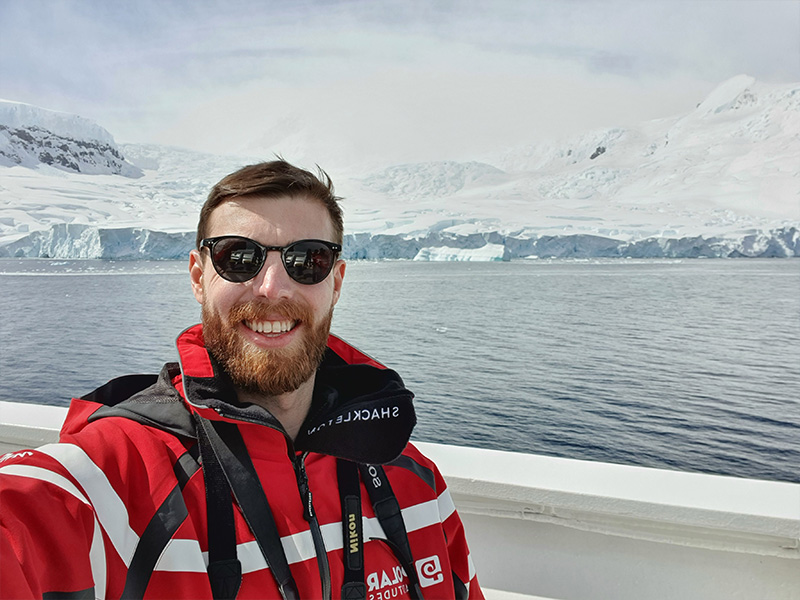
Temperatures are often around freezing, but conditions can change quickly. Layering is key – thermal base layers, something insulated, and a waterproof outer layer will see you through most situations. Many expedition cruise operators provide parkas and boots, so it’s always worth checking what’s included before you travel.
A good pair of sunglasses and sunscreen are just as important as warm clothing. The reflection from the ice can be surprisingly strong.
Choosing the right Antarctica cruise
Not all Antarctic cruises follow the same route, and your itinerary will shape your experience.
A classic voyage across the Drake Passage to the Antarctic Peninsula is often the starting point. If you’re looking to go further, routes that include South Georgia and the Falkland Islands offer a broader perspective, particularly for wildlife.
Shorter fly-cruise options avoid the Drake Passage altogether, while more in-depth itineraries head into less-visited areas like the Weddell Sea.
What you’ll actually do
An expedition cruise to Antarctica is built around daily exploration.
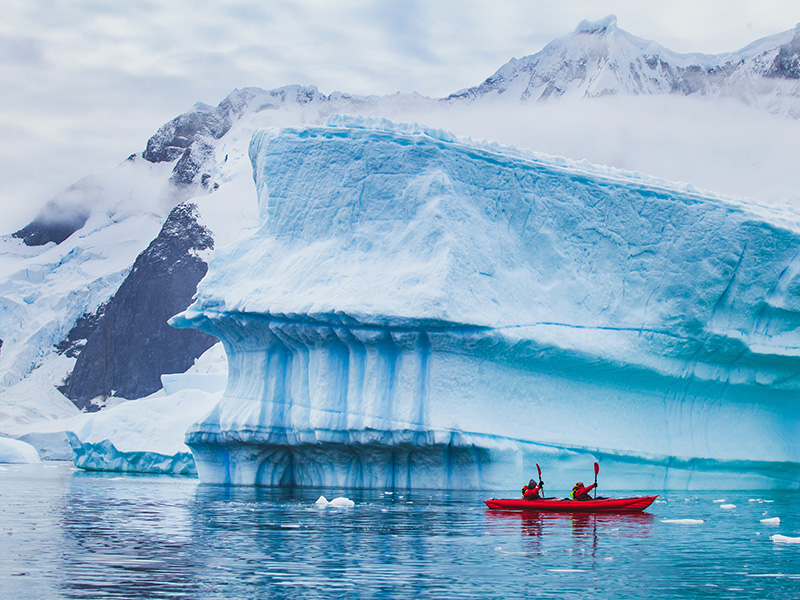
Most days include time off the ship – travelling by Zodiac through ice-filled channels, stepping ashore for guided landings, or simply spending time observing the landscape and wildlife. Back on board, the experience continues with talks and insights from the expedition team that add context to what you’re seeing.
Plans are always flexible. If conditions change or wildlife appears unexpectedly, the day adapts around it.
Crossing the Drake Passage
The Drake Passage is often part of the journey, and it has a reputation for a reason.
Conditions can vary from calm to more energetic, sometimes within the same crossing. Most modern expedition ships are well-equipped to handle it, and onboard teams are experienced in helping guests feel comfortable throughout.
For many travellers, it becomes an important part of the overall experience.
Wildlife in Antarctica
Wildlife is one of the defining parts of any Antarctica expedition cruise.
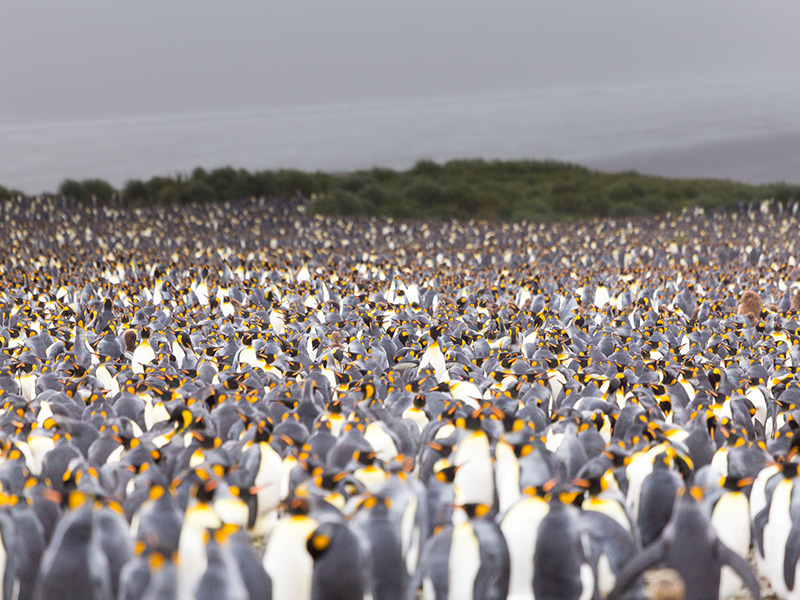
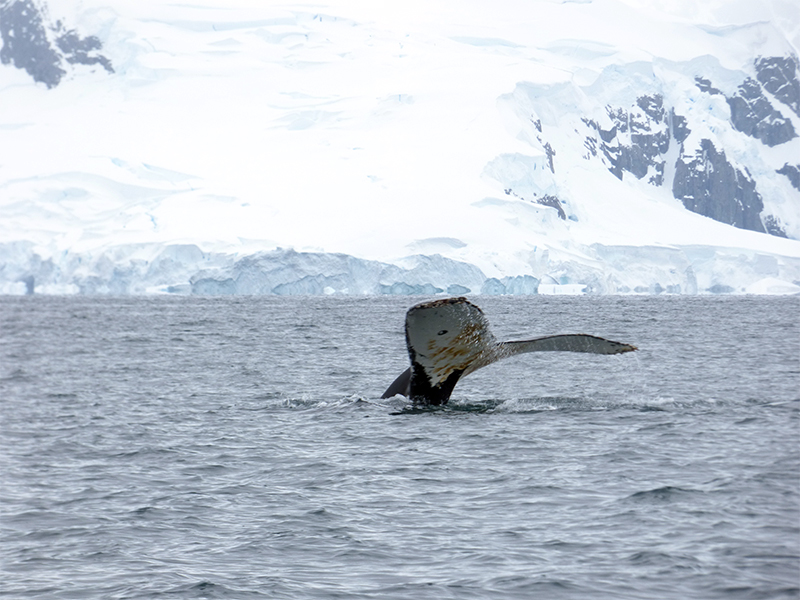
Penguins, seals and whales are all part of the experience, but nothing is staged or guaranteed. Encounters happen naturally, often when you least expect them.
That unpredictability is part of what makes each day feel different.
Money & practicalities
There are no shops in Antarctica itself.
Most onboard expenses are simply charged to your cabin, with card payments widely accepted. Tipping policies vary depending on the operator, and it’s something worth checking before you travel.
Visa & travel requirements
For UK travellers, visiting Antarctica is relatively straightforward.
You won’t need a visa for Antarctica itself, or typically for Argentina or Chile, where most cruises begin. Your passport should be valid for at least six months after your return, and any required permits are arranged as part of your cruise.
What a typical day looks like
There isn’t really such a thing.
That’s the nature of an Antarctic expedition cruise. Days are shaped by the environment – by the weather, the ice, and the opportunities that present themselves.
Some days are active, with multiple landings. Others are quieter, spent watching the landscape shift from the deck. Both are equally memorable.
Travelling responsibly
Antarctica is one of the most carefully protected regions in the world, and rightly so.
Expedition cruising here is guided by strict environmental standards, with small ships and controlled landings designed to minimise impact. It’s about experiencing the region in a way that respects its fragility.
An Antarctica cruise is often described as something you can’t quite put into words.
It’s not just what you see – it’s how it feels to be there. The space, the silence, and the sense of being somewhere genuinely remote.
It stays with you, long after you’ve left
Thinking about a journey like this?
Speak to one of our cruise consultants and start shaping something that’s right for you.