
A day in the life of a Chief Scientist

There’s a side to an Antarctica expedition cruise that often sits just beneath the surface.

Beyond the landings, the wildlife, and the shifting ice, there’s a deeper layer of understanding – shaped by the people on board who spend their lives studying these regions.

We spoke with Dr Verena Meraldi, Chief Scientist with HX Hurtigruten Expeditions, whose role is to bring that world closer. From her early days lecturing on Antarctic voyages to leading the development of HX’s Science & Education programme, her work is centred on one idea: helping travellers not just see Antarctica, but understand it.

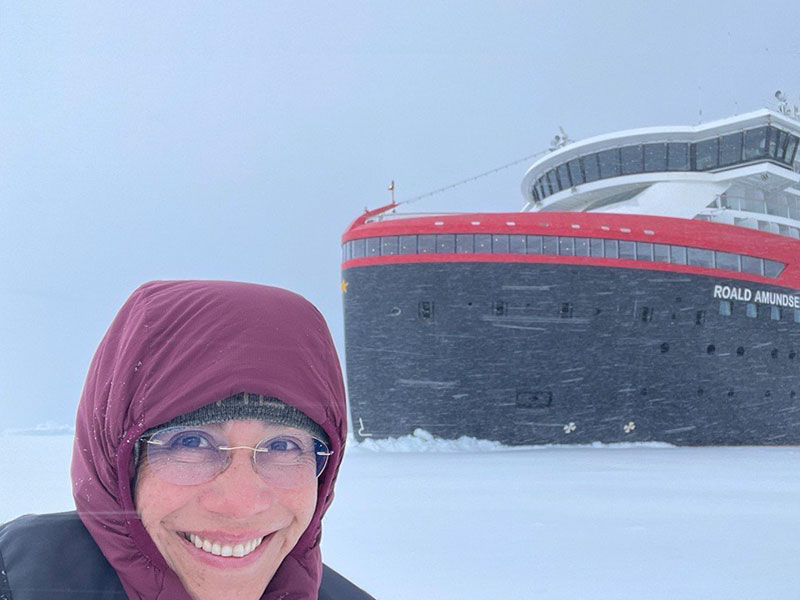
Dr. Verena exploring Antarctica onboard Roald Amundsen vessel

What’s the most unusual/memorable moment you’ve experienced guiding visitors?

One moment that stands out happened at Neko Harbour. We’d finished a landing and were bringing guests back to the ship when the wind suddenly shifted.

Ice began to move into the landing site, blocking access. What would normally take minutes turned into a slow, careful journey, as our boat drivers navigated through bergy bits and sea ice.

It took over two hours to get everyone back on board. It wasn’t dramatic, just a clear reminder that in Antarctica, conditions can change quickly – and everything happens on nature’s terms.

How does a typical day start for you?

There’s always time for a coffee first.

From there, the day depends on where we are. On sea days, we focus on preparing guests for what’s ahead, with a series of talks covering everything from weather systems and ice formations to wildlife and history.

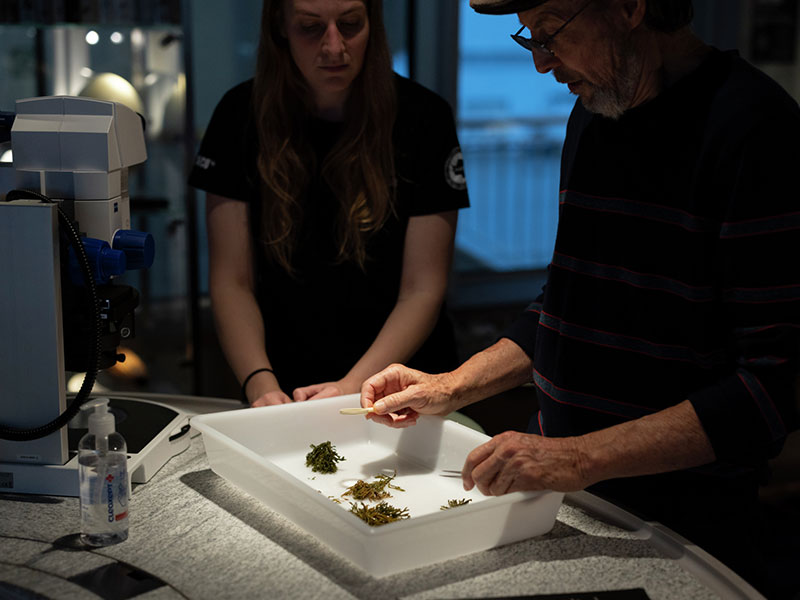
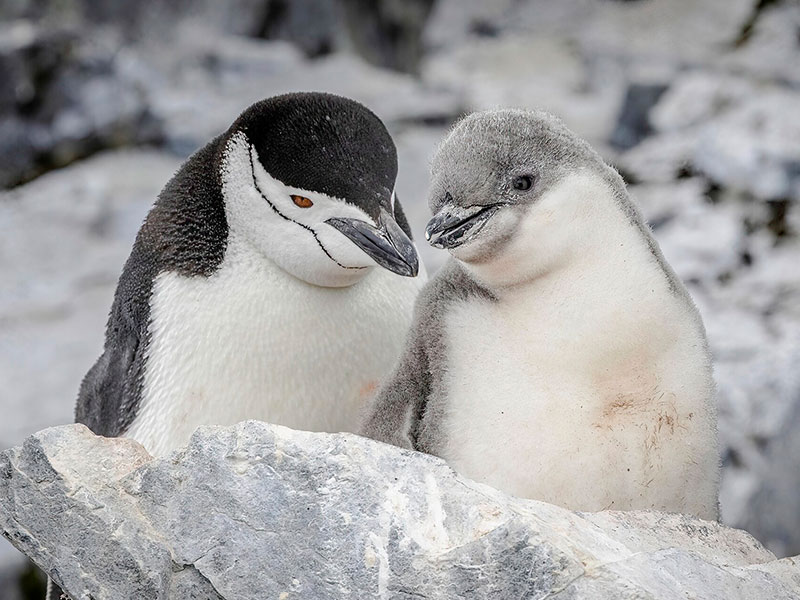
What makes it more engaging is the hands-on element. After a talk on penguins, for example, we might look at feathers under a microscope to understand how they insulate against the cold. It gives people a different perspective – not just seeing, but understanding what they’re looking at.

A guest enjoying a workshop in the Science Centre with HX Expeditions

Favourite thing about where you work? 

It’s the natural quiet.

Not silence exactly – you still hear the ice shifting, penguins calling, whales surfacing – but there’s an absence of human noise that’s quite striking.

That, combined with the wildlife and even the microscopic life in the ocean, makes it a fascinating place to spend time.

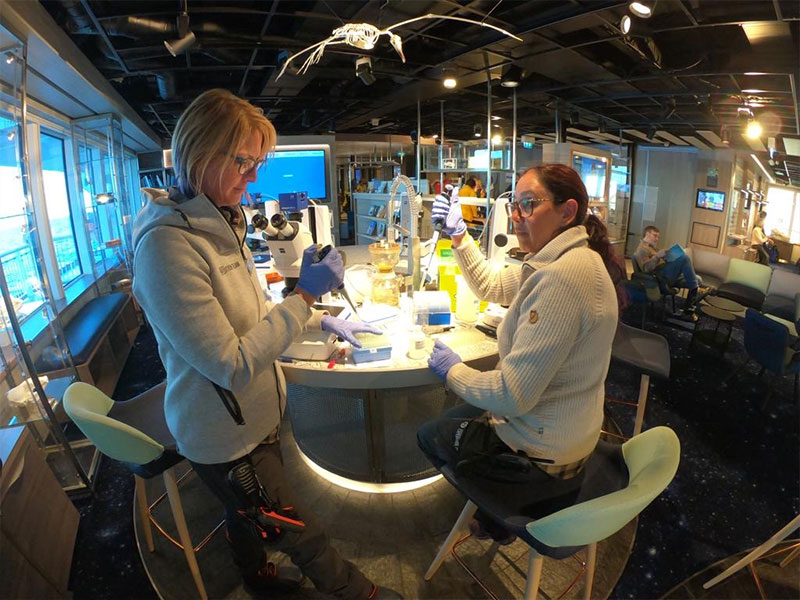
Dr. Verena developing a Science project for HX Hurtigruten Expeditions voyages

What advice would you give travellers coming to explore the polar regions?

Come with an open mind, and a genuine curiosity.

The more you’re willing to engage with what you’re seeing, the more you’ll get from the experience.

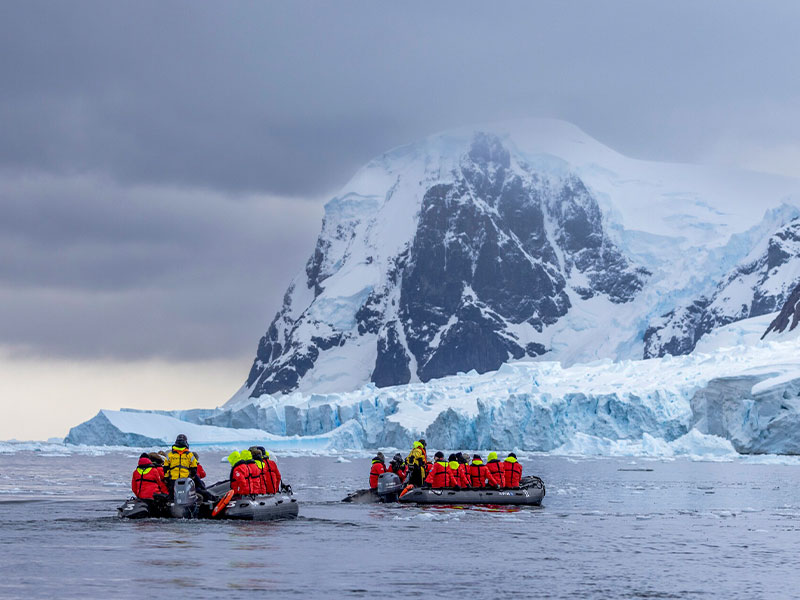
A Zodiac excursion in Antartica

Favourite time of year and any tips for when to go there?

Early in the season, around November, is a particularly special time. The landscape feels untouched, and wildlife is just returning after the winter.

Later in the season, you’ll start to see penguin chicks, and by January through February, whale sightings tend to increase.

It really depends on what you’re hoping to experience.

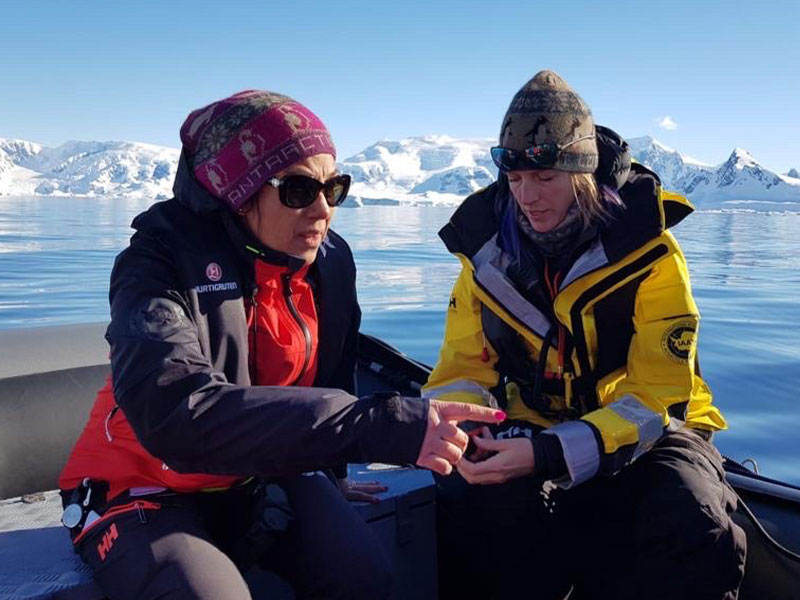
Dr. Verena on a zodiac excursion

Do you have any stories you would like to share?

We were travelling through the Weddell Sea one evening, in completely still conditions.

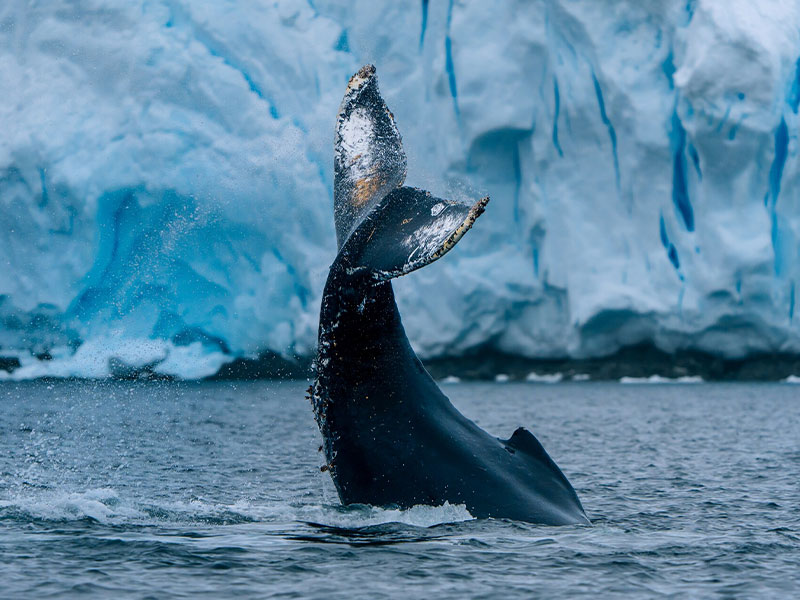
The water was calm, almost reflective, and the ship was moving quietly. Before long, we started to hear whales surfacing around us – you could hear them before you saw them.

It became one of those moments that everyone experienced slightly differently, but that stayed with people long after. It was all anyone talked about over dinner that evening.

A whale in Wilhelmina Bay, Antarctica

Thinking about exploring Antarctica for yourself?
Speak to one of our cruise consultants and start shaping a journey that’s right for you.

Share:

Ways to Book

Speak to a holiday expert on 0203 196 1000 or send us your details – we’ll take care of the rest.

Speak to Cruise Routes, your dedicated holiday expert, or feel free to fill in the form below

1 2 3
Trip details

More Posts from Cruise Routes

Experiencing Alaska by small ship

Alaska is a destination defined by scale. Towering glaciers, forested coastlines, and vast stretches of water where wildlife moves freely. It’s a place that’s difficult