Madagascar doesn’t reveal itself all at once.
It’s a place you experience slowly. Along quiet coastlines, in small fishing communities, and in landscapes that feel almost untouched by time. Travel here isn’t about ticking off highlights. It’s about moving beyond the obvious and discovering a side of the island that feels deeply rooted in place.
Along its vast shoreline, there are stretches where the road quite literally runs out. And that’s often where the most memorable moments begin.
Where life follows the rhythm of the sea
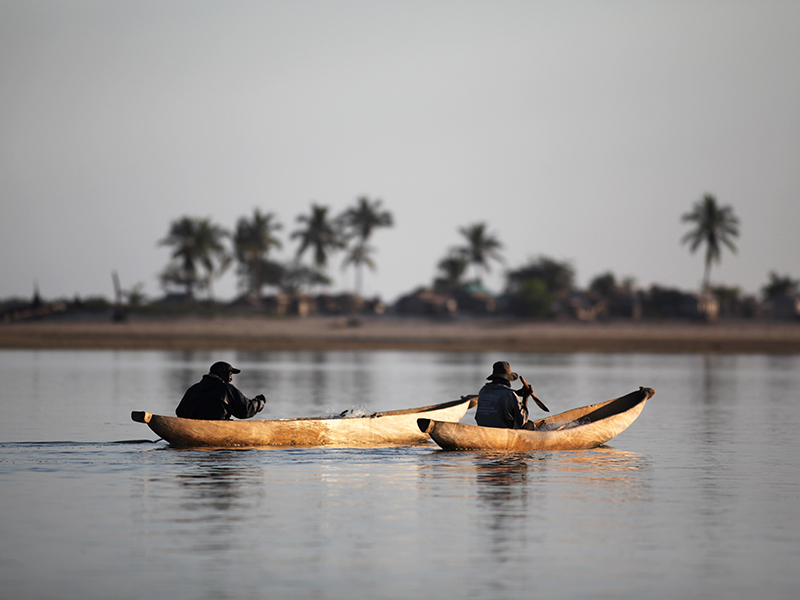
On the south-west coast, at the mouth of the Onilahy River, lies Saint-Augustin, a village where the tides shape daily life.
Here, the Vezo people have lived for generations, travelling along the coastline in traditional boats and relying on the ocean for everything. Their way of life hasn’t changed much, and that’s exactly what makes time spent here feel so different.
Wooden huts sit between shifting sand dunes, and the sound of the sea is never far away. It’s simple, unhurried, and quietly absorbing.
A landscape that constantly changes
Further inland, Madagascar’s diversity becomes more apparent.
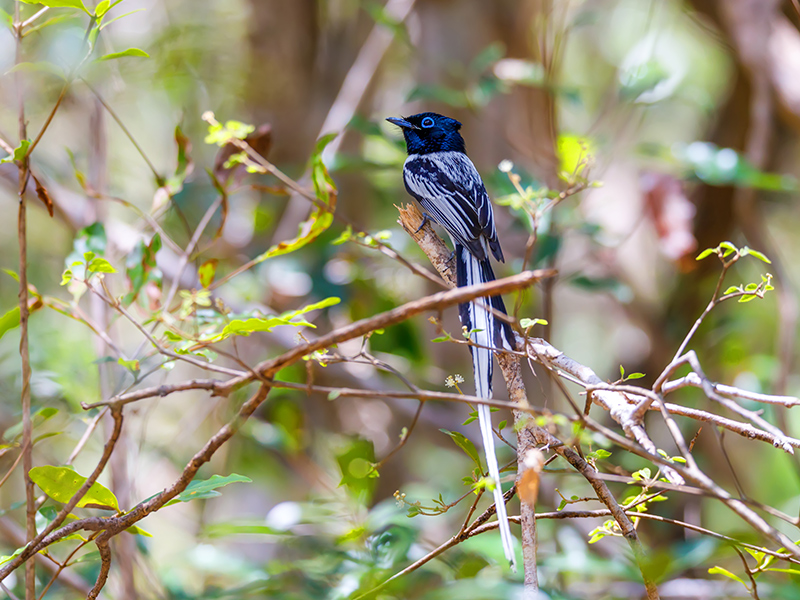
In Ankarafantsika National Park, dense forest gives way to open savannah, with lakes and valleys scattered in between. It’s a place where the detail matters – flashes of colour in the trees, the movement of lemurs through the canopy, and the stillness of water considered sacred by local communities.
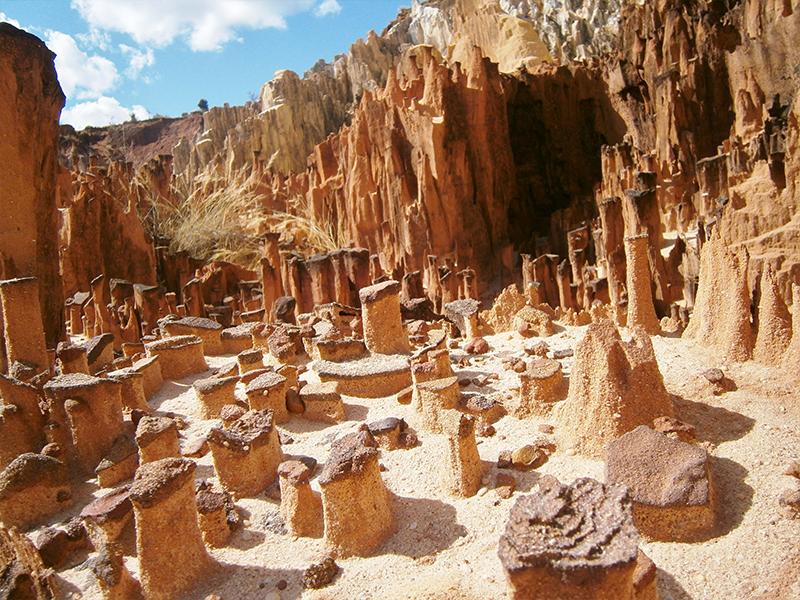
The red sandstone formations of Ankarokaroka feel almost otherworldly, shaped over centuries into deep ridges and shifting patterns. It’s not dramatic in a conventional sense, but it stays with you.

Islands where the pace softens
Off the north-west coast, smaller islands offer a different kind of experience.
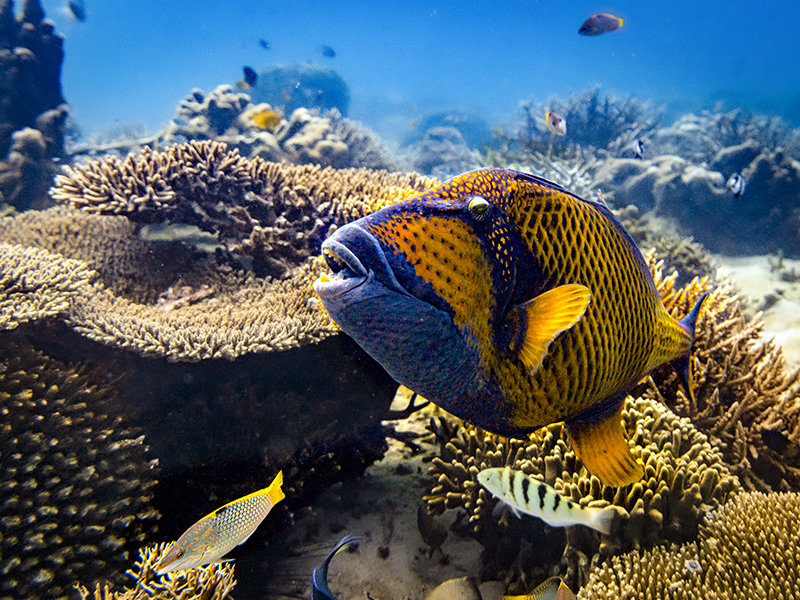
Nosy Komba feels relaxed and self-contained, with quiet beaches and a community shaped by fishing and craft traditions. Nearby, Nosy Tanikely is known for what lies just beneath the surface – coral reefs alive with movement, best explored at water level.
And then there’s Nosy Vé. Less visited, more remote. The kind of place where the colours of the sea seem to change by the hour, and birdlife replaces any sense of activity.
A town shaped by tradition
In Belo sur Mer, life revolves around both fishing and craftsmanship.
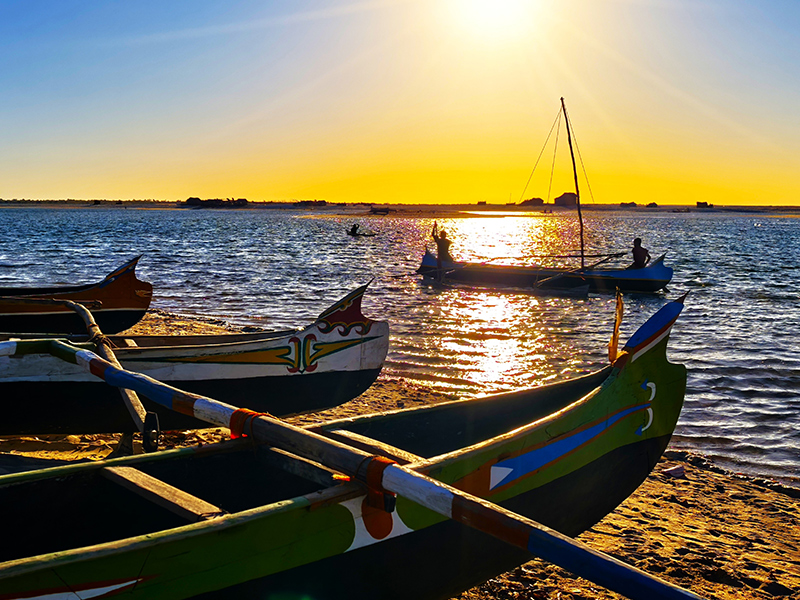
Along the shoreline, craftsmen still build traditional sailing boats by hand, using techniques passed down through generations. The workshops are easy to locate; just follow the sound of tools at work.
It’s not something arranged or curated. It’s simply part of daily life here, and that’s what makes it interesting to witness.
Layers of history along the coast
On the east coast, Île Sainte-Marie carries a different kind of story.
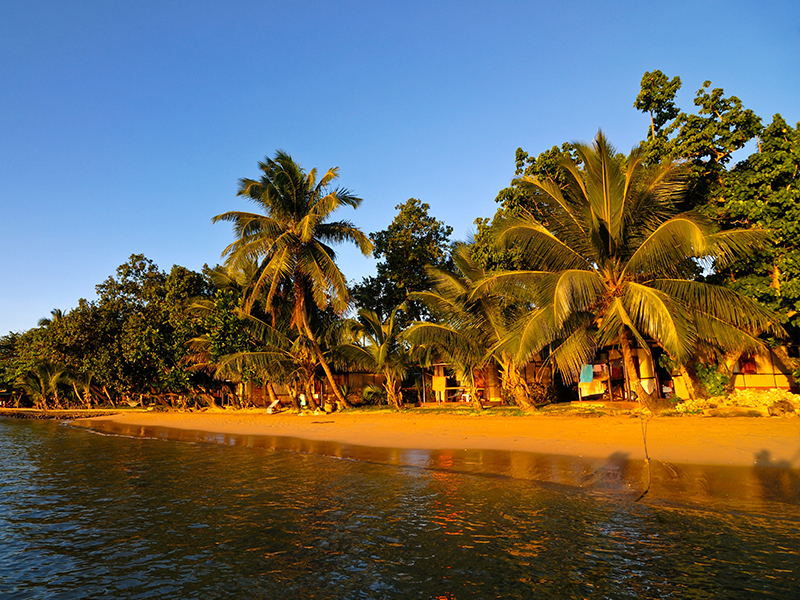
Once a refuge for pirates, today it feels quiet and lightly inhabited, with long stretches of beach and small settlements dotted between palm trees. There’s a sense of history here, but it isn’t presented – it’s something you piece together as you explore.
Nearby, Nosy Nato offers an even more stripped-back experience. No electricity grid, no running water, just a place to slow down completely if you’re prepared to travel that way.
Everyday life, closer to the surface
In Toamasina, the pace shifts again.
Markets, streets, and coastal paths offer a glimpse into everyday life, best explored slowly, often by rickshaw. It’s less about landmarks, more about atmosphere. And, as almost everywhere in Madagascar, the sea is never far away.
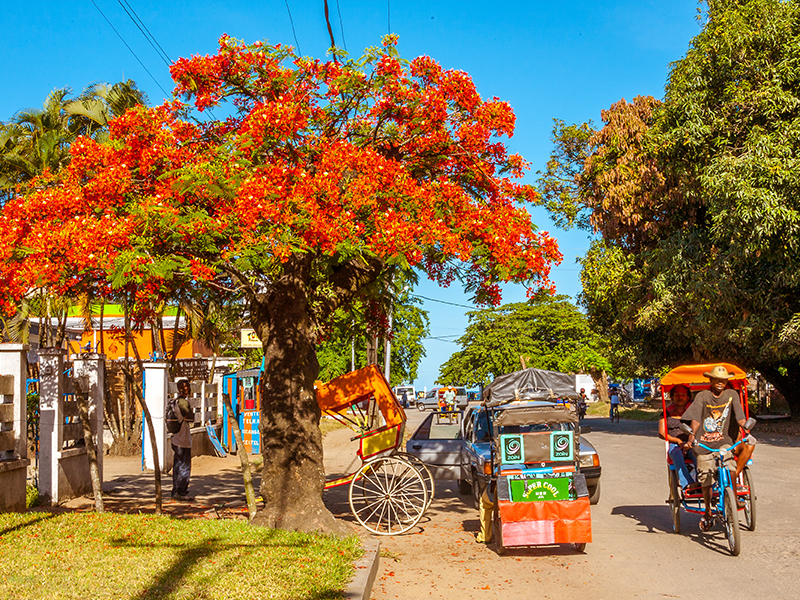
Toamasina, Madagascar.
A place shaped by its people
What makes Madagascar feel so distinct isn’t just the landscape – it’s the people who live here.
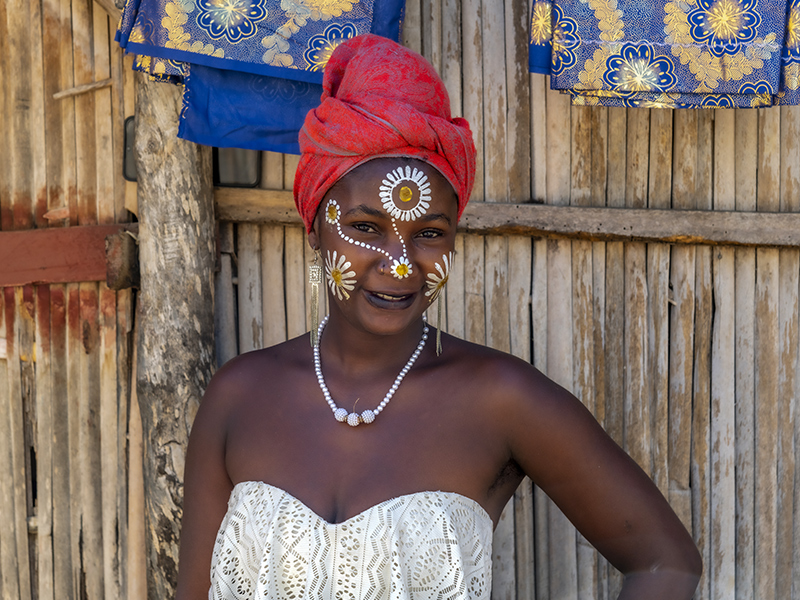
Different communities, each with its own traditions, have shaped life across the island. Fishing villages, coffee growers, artisans – all connected to the land and sea in different ways.
Travelling here comes with a quiet responsibility. To move thoughtfully. To respect what already exists. And to understand that you’re stepping into a place with its own rhythm, not one created for visitors.
If Madagascar has sparked your interest, there are a handful of voyages that explore this coastline in a way that feels both thoughtful and unhurried.
We’ll help you understand which routes make the most of your time here, what you’re likely to experience along the way, and whether this trip is the right kind of journey for you.
Explore Madagascar cruises with PONANT Explorations or get in touch if you’d prefer to talk it through with someone who knows these itineraries inside out.