
An expedition cruise is about spending less time watching the world from the ship, and more time out exploring it. You might head ashore by Zodiac, walk with an expert naturalist, kayak beneath towering cliffs or change course because wildlife has been spotted nearby. The itinerary gives you a direction, but weather, ice and local conditions often shape what happens each day.
An expedition cruise is about spending less time watching the world from the ship, and more time out exploring it. You might head ashore by Zodiac, walk with an expert naturalist, kayak beneath towering cliffs or change course because wildlife has been spotted nearby. The itinerary gives you a direction, but weather, ice and local conditions often shape what happens each day.
We’re a UK-based expedition cruise specialist, and we work across leading operators including HX Expeditions, Quark Expeditions, AE Expeditions, Silversea and National Geographic Lindblad Expeditions. That means our advice isn’t tied to one cruise line. We can compare the ships, expedition teams and styles of travel to help you find the voyage that suits you.
From Antarctica’s ice-filled channels to Svalbard’s Arctic shores and the wildlife-rich islands of the Galápagos, expedition cruising is made for places where getting out and exploring is part of the journey.
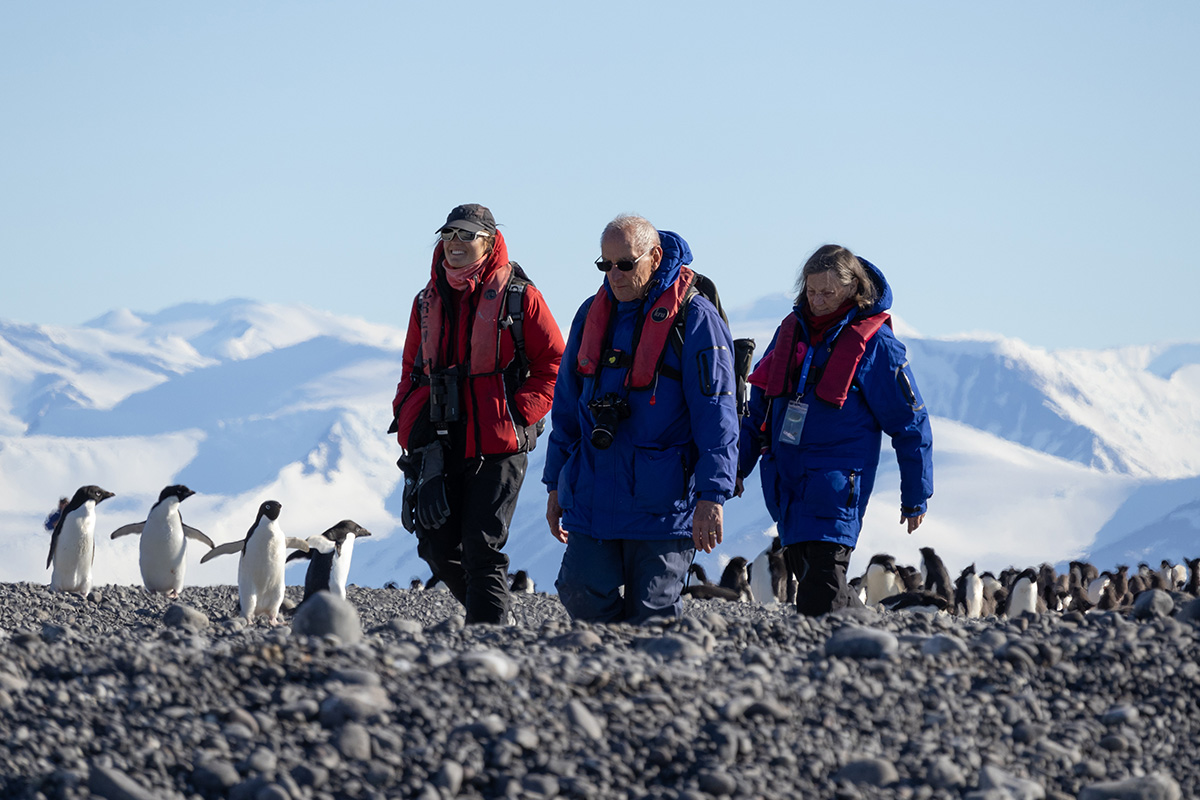
Cross the Drake Passage and explore a world of ice, penguin colonies and remote landing sites, heading ashore by Zodiac whenever conditions allow.
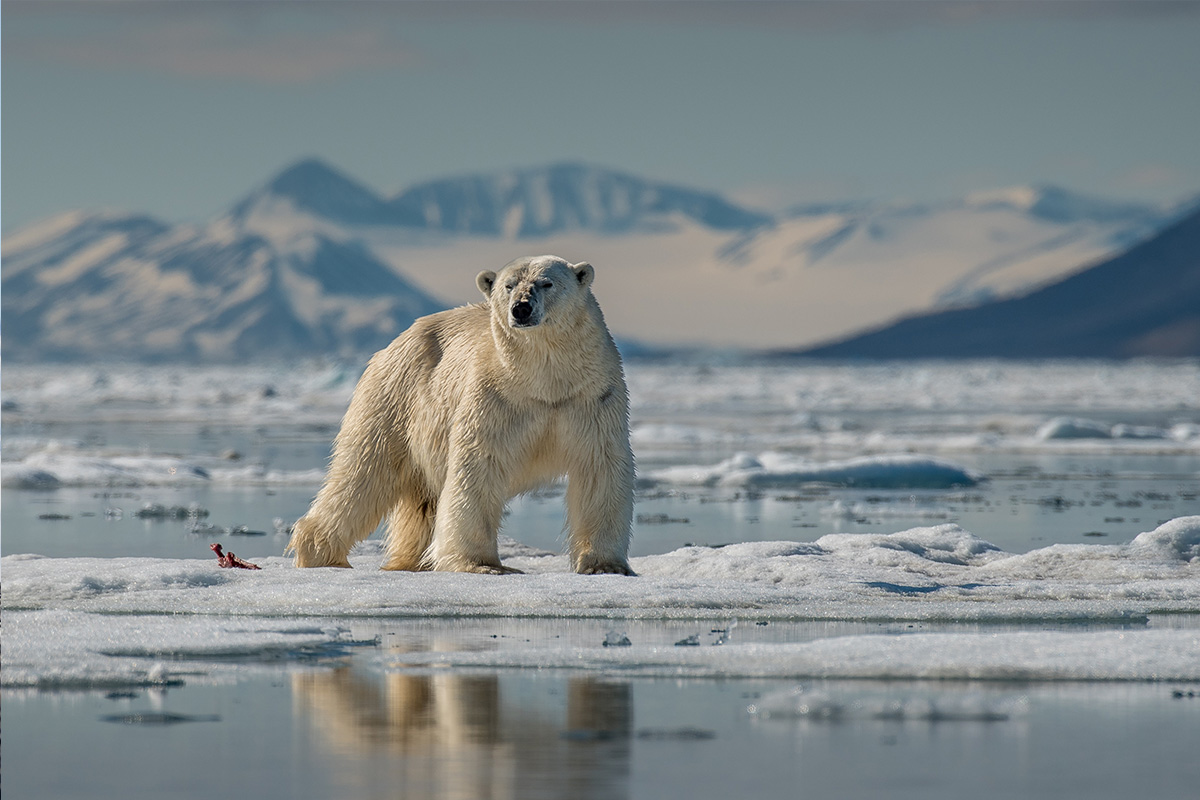
Follow the edge of the Arctic ice, watching for walrus, whales and polar bears as you explore one of the world’s great wildlife regions.
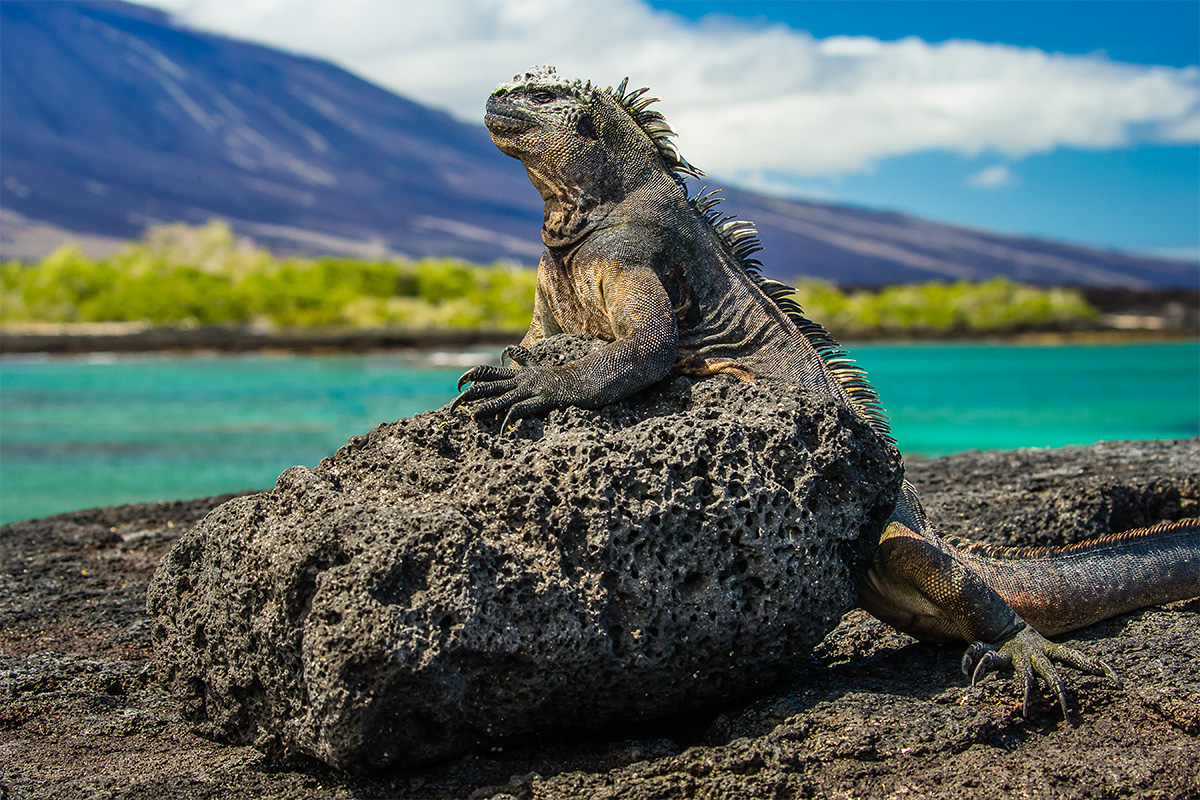
Walk volcanic shores, snorkel among sea lions and marine life, and discover islands where wildlife encounters are part of almost every day.
Both can take you to remarkable places, but the way you experience them can be very different. On an expedition cruise, the emphasis shifts from following a fixed programme to getting off the ship, exploring with specialist guides and making the most of the conditions each day.
The itinerary leads
Ports and arrival times are generally planned well in advance, with the ship following a more structured schedule.
More happens on board
Entertainment, dining and leisure facilities tend to be a bigger part of the overall cruise experience.
Going ashore
Most visits begin at a port, using a pier, gangway or tender depending on the destination.
Conditions help shape the day
Weather, wildlife and ice can influence where you explore and what happens next.
More happens off the ship
Zodiac cruising, walks, wildlife watching and other activities put exploring at the centre of the journey.
Getting ashore can be part of the adventure
Remote landings may mean travelling by Zodiac and stepping into shallow water before walking ashore.
Experts explore with you
Expedition teams can include naturalists, scientists, historians and other specialists who add context to what you encounter.
Reaching some of the world’s most remote places comes with a responsibility to treat them carefully. From how your boots are cleaned before a landing to the technology used on board, expedition cruising has developed ways to reduce its impact – although ships and operators vary considerably.
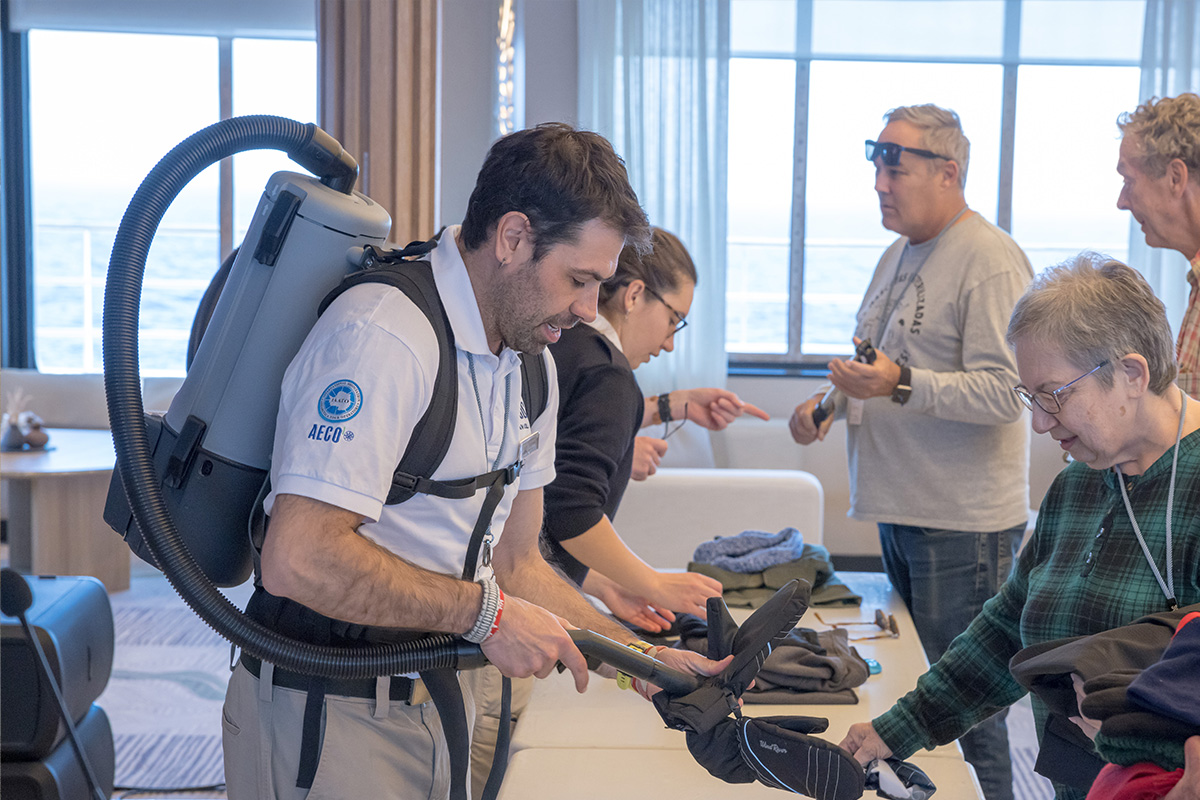
In Antarctica, IAATO guidelines help visitors understand how to explore without disturbing wildlife or introducing non-native species. In the Arctic, AECO provides similar guidance for responsible visitor behaviour.
That can mean vacuuming pockets and Velcro, scrubbing boots and checking outer clothing before going ashore. Once there, your expedition team will explain how much space to give wildlife and any site-specific rules you need to follow.
Newer expedition ships and fleet upgrades are increasingly using technology designed to reduce fuel use, emissions and disturbance in the places they visit.
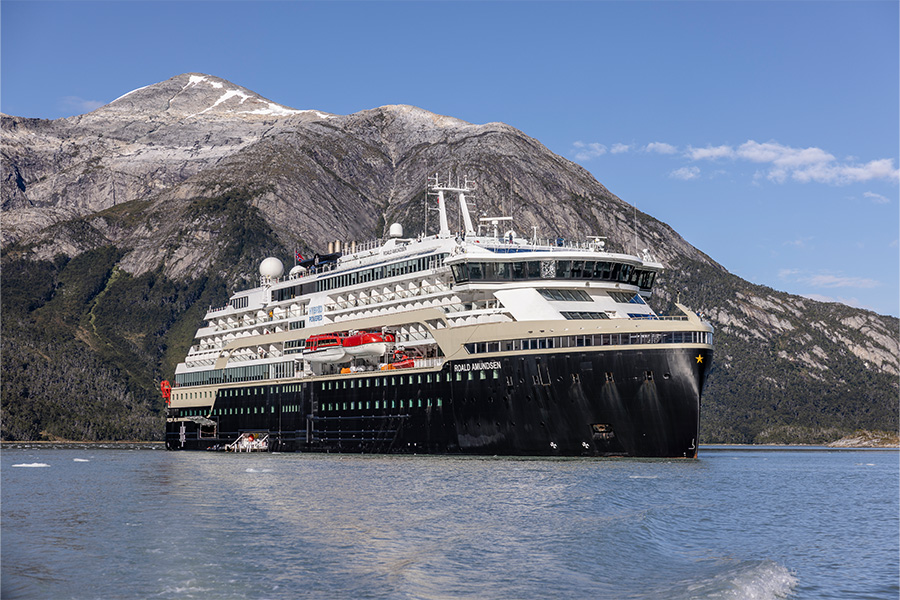
Using battery power alongside conventional engines.
On ships upgraded with hybrid-electric technology, including vessels in HX Expeditions’ fleet, batteries can support the conventional engines at different stages of a voyage, helping to reduce fuel use and emissions.
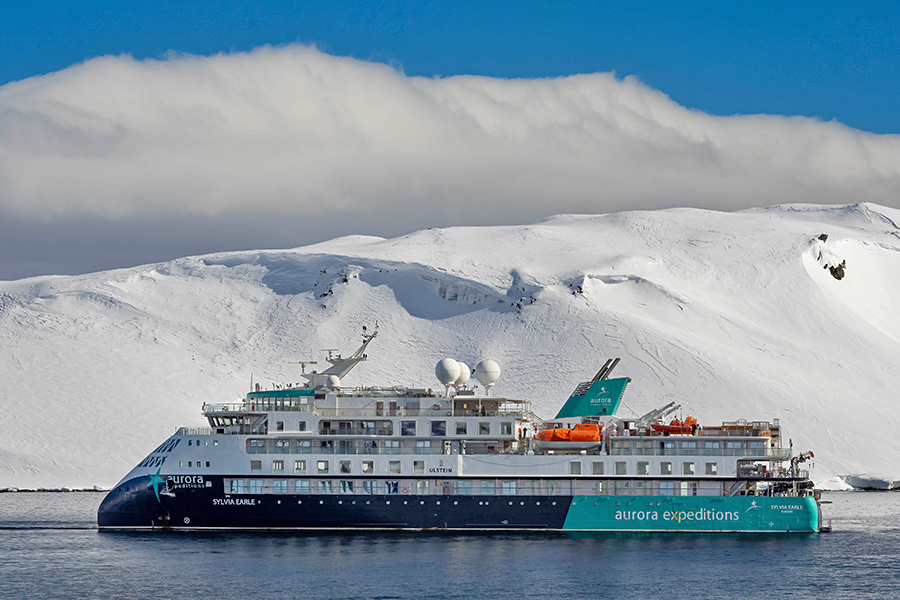
Designed to move more smoothly through the water.
Used on expedition ships including those in AE Expeditions’ fleet, the distinctive X-BOW® meets waves differently from a conventional bow, helping to reduce resistance and improve performance in rough seas.
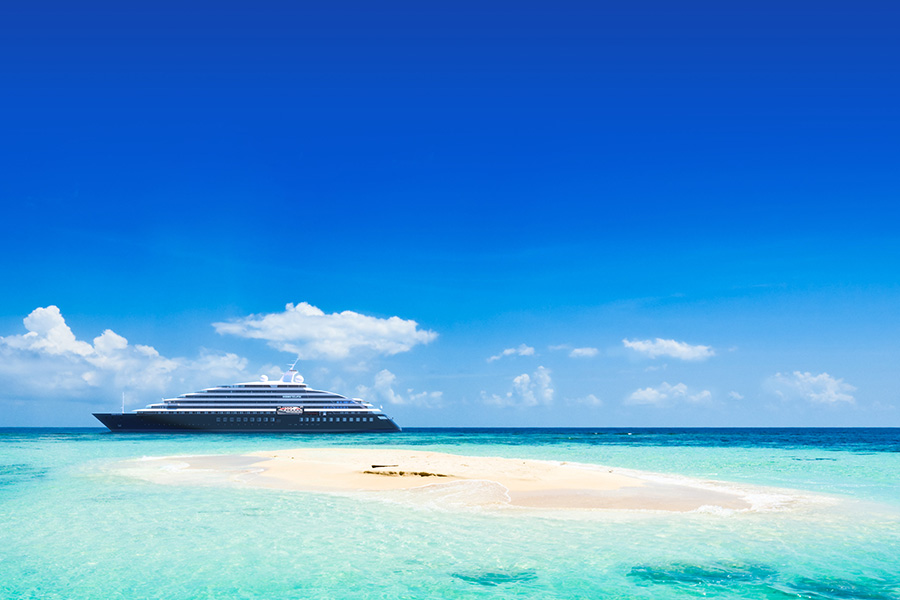
Holding position without dropping anchor.
On ships such as Scenic Eclipse, dynamic positioning uses propulsion and positioning systems to keep the vessel in place without relying on an anchor, helping to avoid disturbance to sensitive seabeds.
Expedition cruises have a plan, but they also leave room for the unexpected. In places such as Antarctica and the Northwest Passage, weather, ice and wildlife can all influence what happens from one day to the next. That flexibility isn’t a compromise – it’s part of expedition travel.
Expect the plan to change
Your Captain and Expedition Team will keep a close eye on weather, sea and ice conditions throughout the voyage. A planned landing may move, the order of visits might change, or the ship may head somewhere entirely different if conditions create a better opportunity elsewhere.
It’s one of the reasons expedition itineraries are best thought of as a guide rather than a timetable. Sometimes the change of plan becomes one of the most memorable parts of the journey.
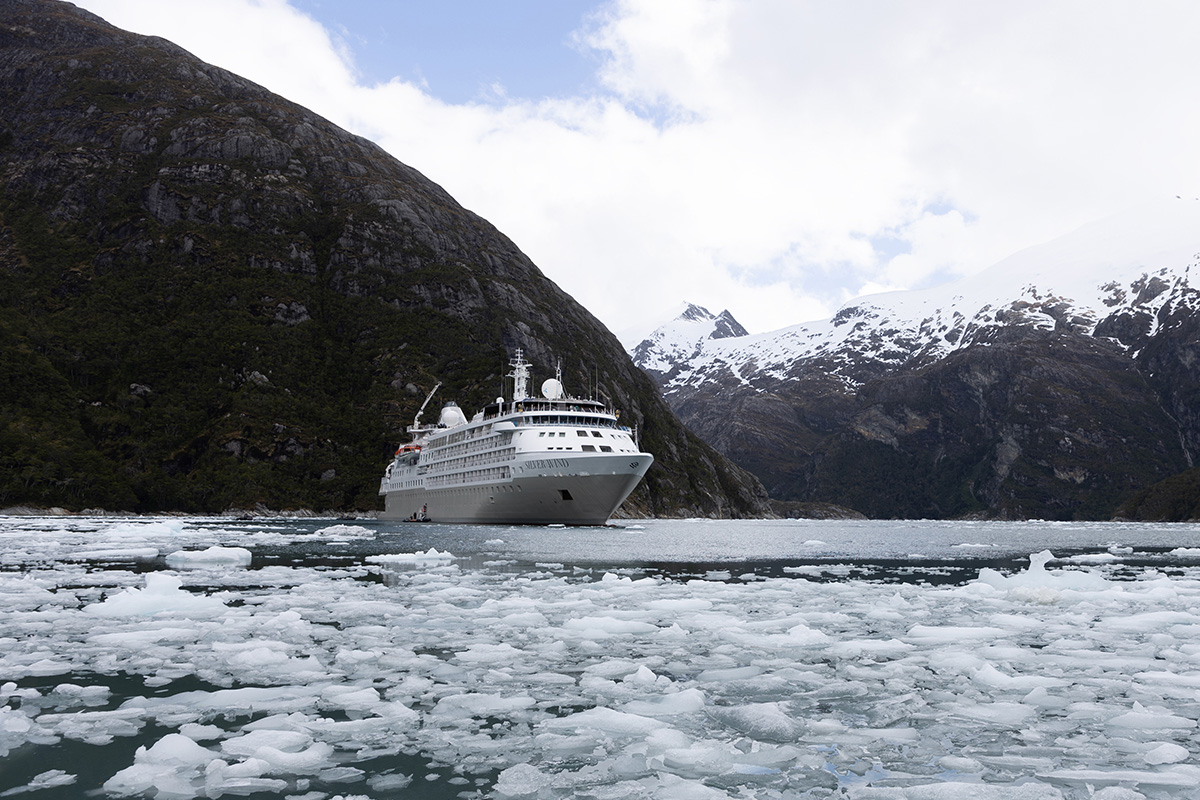
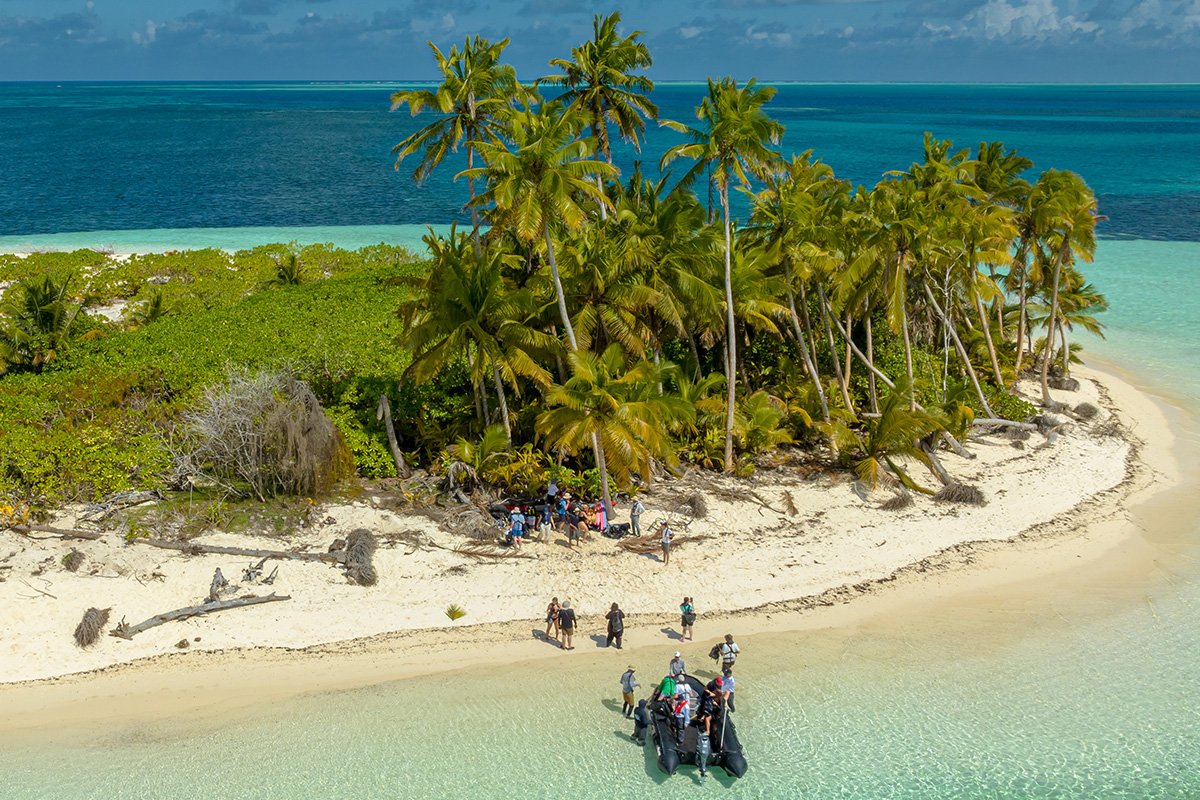
What does a ‘wet landing’ actually mean?
It sounds more dramatic than it is. Rather than stepping onto a jetty, your Zodiac approaches a beach or shoreline and you step out into shallow water before walking ashore.
Waterproof expedition boots are commonly used for these landings, and your expedition team will be there to help you in and out of the Zodiac. Once ashore, the ground can be uneven – think pebbled beaches, snow, rocks or tundra rather than paved paths.
There’s a big difference between reading an itinerary and knowing what a voyage actually feels like. Our team have travelled on expedition ships and explored many of the places we arrange, so you can talk to someone who understands the practical details as well as the highlights.
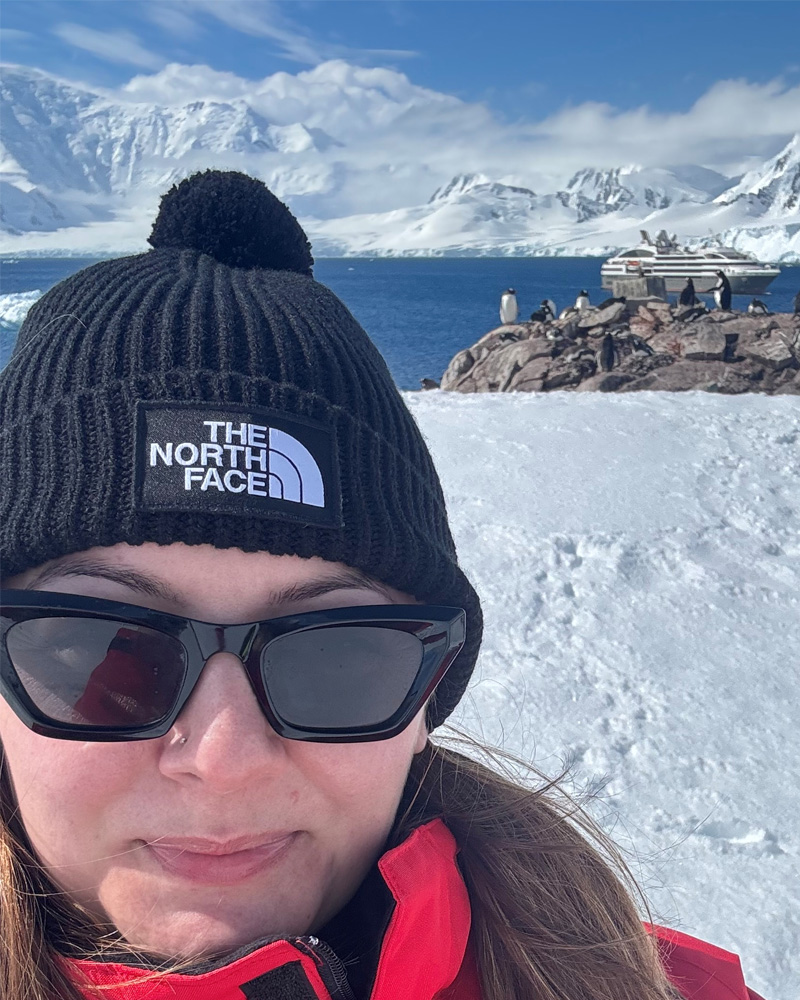
FIRST-HAND EXPERIENCE
“We’d headed out by Zodiac to see the penguins when whales appeared nearby. Suddenly, what had started as one kind of excursion became something completely different. That unpredictability was one of the things I loved about Antarctica – you set out with a plan, but you never quite know what you’ll encounter.”
Laura Radford
Marketing Manager
Antarctica onboard Le Boreal