In February 2026, AE Expeditions’ Douglas Mawson reached 78°44.405′ south in the Ross Sea’s Bay of Whales, setting a record for the southernmost voyage in history. It was a remarkable moment for those on board, and a reminder that Antarctica still holds extraordinary possibilities for exploration.
But what draws travellers to these remote waters?
The Ross Sea Ice Shelf’s immense frozen frontier. Cape Adare’s vast Adélie penguin colony. Historic expedition huts that connect us with some of polar exploration’s most compelling stories.
For those curious about Antarctica beyond the Peninsula, Ross Sea cruises offer a remarkable combination of immense ice landscapes, extraordinary wildlife and exploration history.
Encounter ice on an extraordinary scale
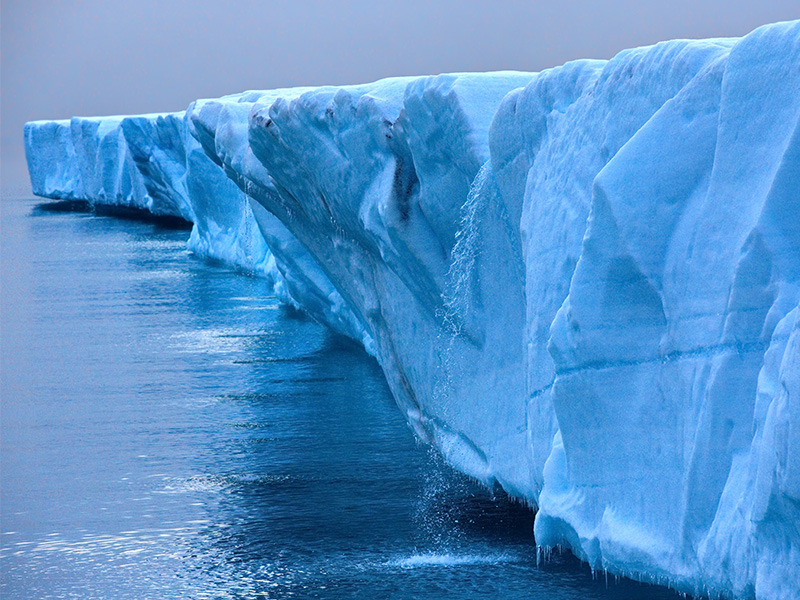
Imagine standing on deck as a wall of ice stretches across your view, its sheer face rising above the sea.
The Ross Ice Shelf is the largest ice shelf on Earth, covering roughly half a million square kilometres. Formed where ice flowing from the continent spreads out over the ocean, this vast floating landscape gives a striking sense of Antarctica’s scale.
Photographs offer a glimpse, but picture the experience of being there: watching light shift across the ice, picking out its textures and listening as your expedition team explains the landscape before you.
It’s a reason to spend time on deck, put the camera down occasionally and simply take it in.
Discover Cape Adare’s remarkable penguin colony
At Cape Adare, an otherwise stark coastline becomes a scene of extraordinary activity.
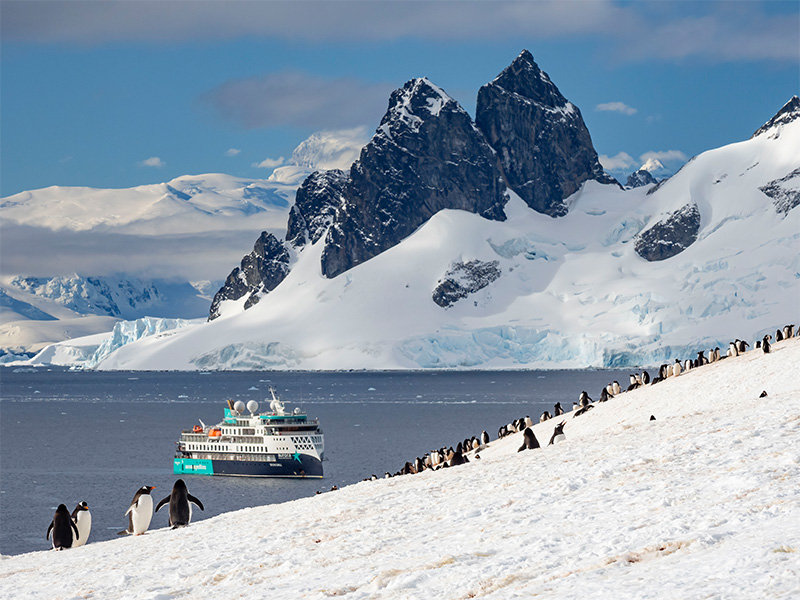
This headland is home to Antarctica’s largest Adélie penguin colony. Across its shingle beaches and surrounding slopes, these charismatic birds gather to breed during the short Antarctic summer.
Where ice and weather allow a visit, there is the chance to observe the colony’s busy daily life: penguins moving between shore and sea, calling to one another and tending their nests.
Cape Adare also holds an important human story. Borchgrevink’s expedition huts stand here, linking this wildlife haven with the first expedition to spend a winter on the Antarctic continent. Nature and exploration history meet in one remarkable place.
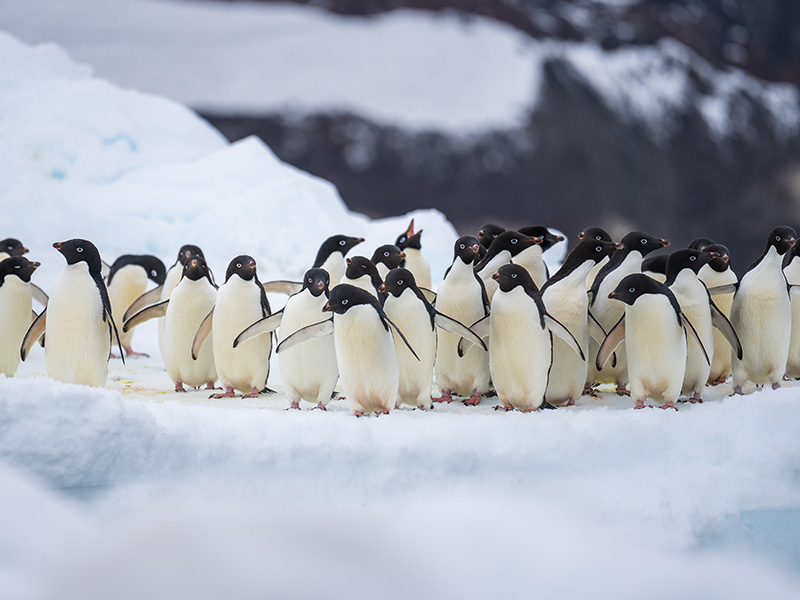
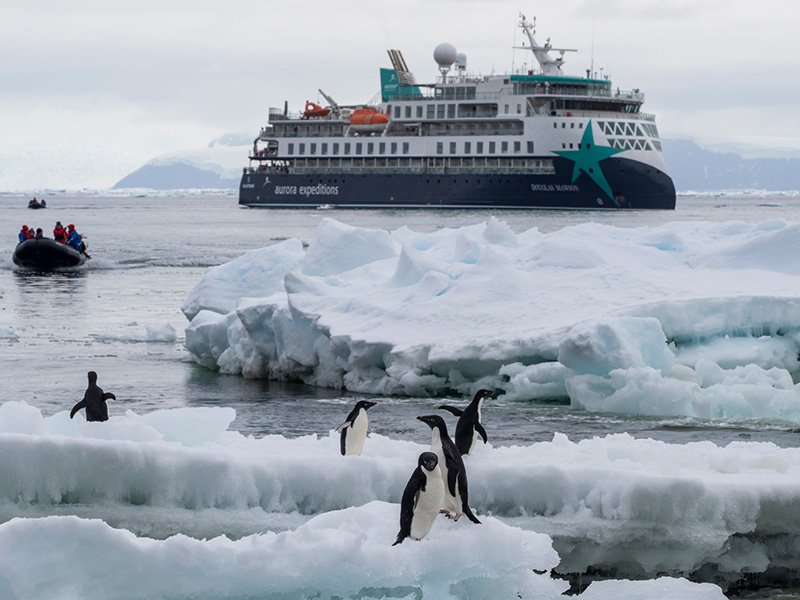
Image courtesy of AE Expeditions
Find a closer connection to polar history
Across the Ross Sea region, the names Scott, Shackleton and Borchgrevink gain a physical presence.
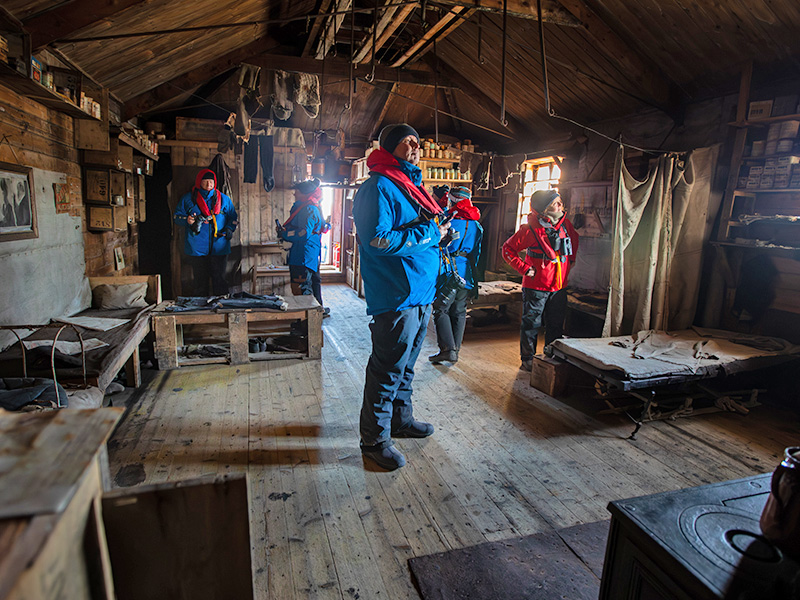
The Antarctic Heritage Trust cares for expedition bases at places including Cape Adare, Cape Royds and Cape Evans. These surviving buildings connect us with the people who sheltered, conducted research and prepared for journeys into the continent’s interior.
Visiting a historic hut, where permitted and conditions allow, can bring a different perspective to familiar stories. Looking at a small building against an immense Antarctic landscape, it becomes easier to appreciate the isolation, resourcefulness and uncertainty those expeditions faced.
With expert interpretation, the history becomes part of your understanding of the place itself.
Watch for wildlife along the ice edge
The penguins of Cape Adare are only part of the wildlife story.
AE’s Ross Sea expeditions offer opportunities to look for emperor and Adélie penguins, Weddell and leopard seals, and whales among the pack ice and open water. Each sighting adds another detail to your understanding of this demanding environment.
There is pleasure in the watching itself: scanning from deck, following a guide’s binoculars and learning to recognise movement against the ice.
The wider journey adds further variety. New Zealand’s subantarctic islands bring a different landscape into view, with opportunities to seek out rare yellow-eyed penguins, sea lions and remarkable seabirds.
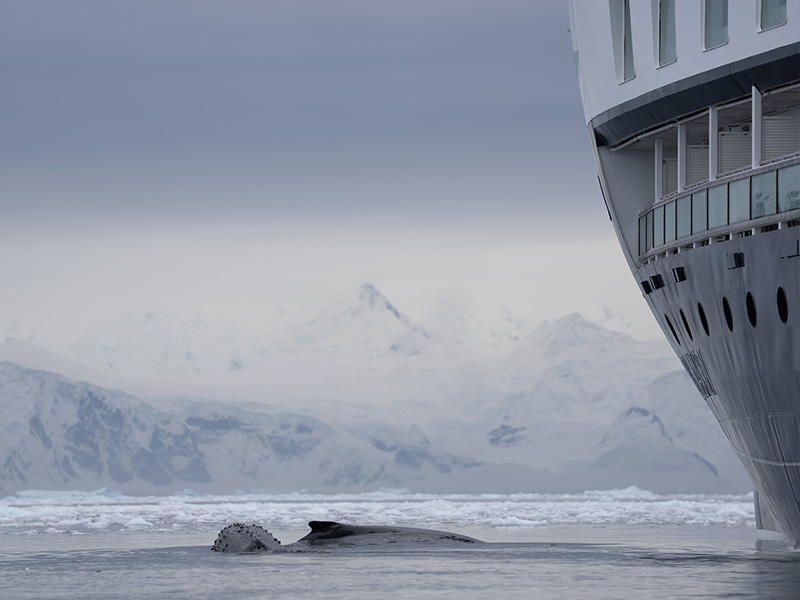
Embrace a journey shaped by nature
Exploring this region calls for time, curiosity and flexibility.
Longer sea passages are part of the experience, creating space for talks, wildlife watching and a growing appreciation of the distances involved. It suits travellers who enjoy the journey as much as the prospect of stepping ashore.
Ice, weather and sea conditions influence where the expedition can go. A planned landing may change, while another opportunity emerges elsewhere. Historic sites and wildlife encounters remain possibilities rather than promises.
AE’s record-breaking voyage was one exceptional chapter in that story. Your own discoveries will be shaped by the conditions you encounter.
Two ways to explore with AE Expeditions
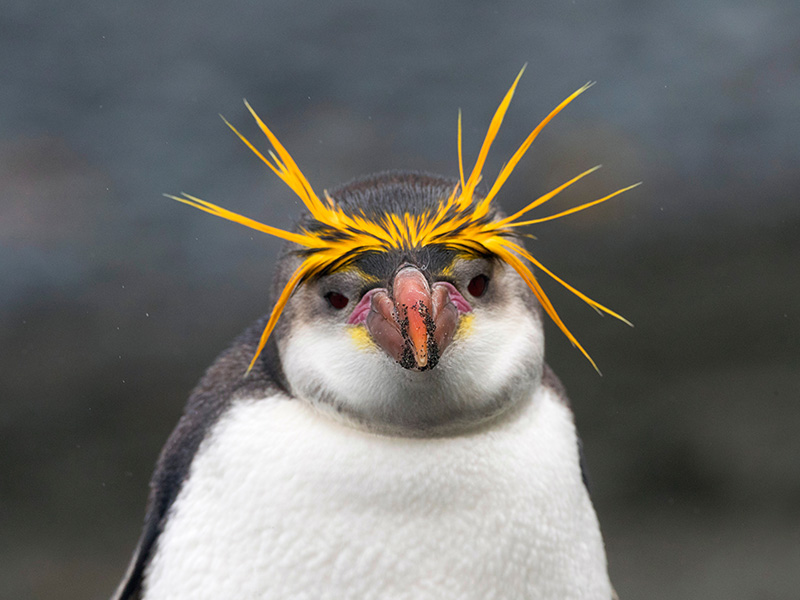
Ross Sea Odyssey
Journey from Hobart to Dunedin, exploring the Ross Sea and New Zealand’s subantarctic islands. This expedition brings together immense ice landscapes, wildlife and opportunities to visit historic sites, offering a rewarding immersion in this remote region.
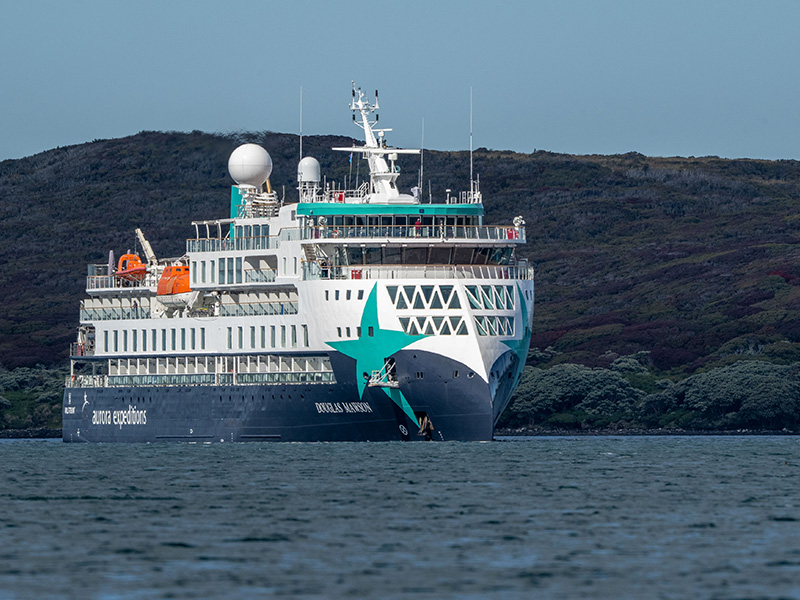
Epic Antarctica: Crossing the 7th Continent
For a wider Antarctic adventure, this 34-day journey connects New Zealand’s subantarctic islands and the Ross Sea with the Antarctic Peninsula, finishing in Ushuaia. Following the coastline between these regions offers a remarkable perspective on the continent’s scale and variety.
Curious about Antarctica beyond the Peninsula? Our Exploration Cruise Consultants can help you compare the journeys and find the expedition that suits your interests, experience and sense of adventure.