From giant tortoises wandering through volcanic highlands to blue-footed boobies performing their curious courtship dance, every Galápagos island has its own character. And every season brings something different. Here’s our guide to choosing where to explore, and when.
There’s something wonderfully unusual about the Galápagos Islands. Sea lions lounge across sandy beaches, seemingly oblivious to their visitors. Marine iguanas gather on black volcanic rocks, occasionally sneezing out saltwater. And giant tortoises move slowly through the highlands, just as their ancestors have done for thousands of years.
Wildlife here doesn’t behave quite as you might expect. With relatively few natural predators and generations of protection, many animals show remarkably little fear of humans. It makes for some extraordinary encounters, although keeping a respectful distance is essential.
But what many travellers don’t realise is just how different the islands are from one another.
Some are covered in ancient lava flows. Others have green highlands, red sand beaches or towering cliffs alive with seabirds. Each has its own ecosystems, wildlife and geological story.
And because not every expedition visits the same islands, choosing the right itinerary can make a real difference to your experience.
So, where should you go? And when is the best time to visit?
First, when is the best time to visit the Galápagos?
The short answer? There’s no bad time to explore the Galápagos.
Situated around 600 miles off Ecuador’s coast, the archipelago sits on the equator, with wildlife encounters possible throughout the year.
But there are two distinct seasons, and understanding the differences is a good starting point when planning your expedition.
December to May: Warmer seas and greener landscapes
These are the warmer months, when air temperatures generally range from around 25°C to 31°C.
Short tropical showers bring the islands to life, turning previously dry landscapes green. The sea is generally warmer and calmer, making conditions particularly appealing for snorkelling, swimming and Zodiac excursions.
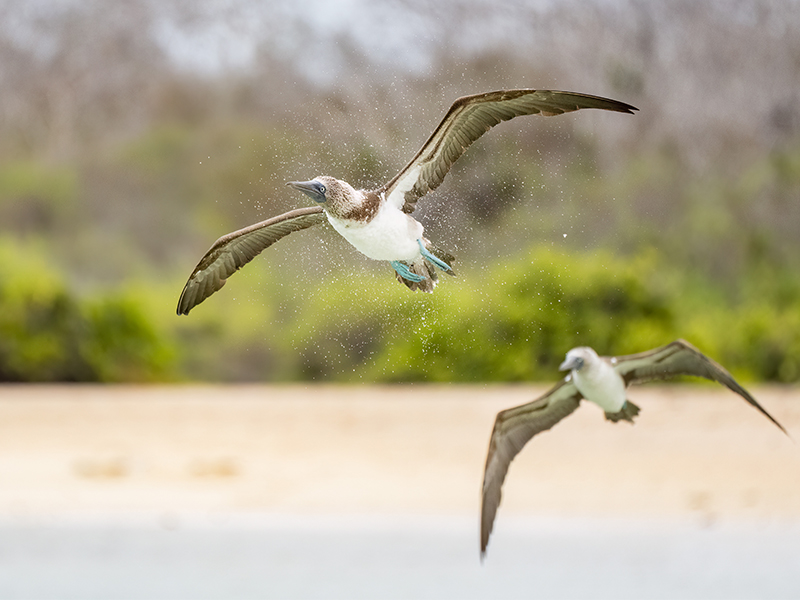
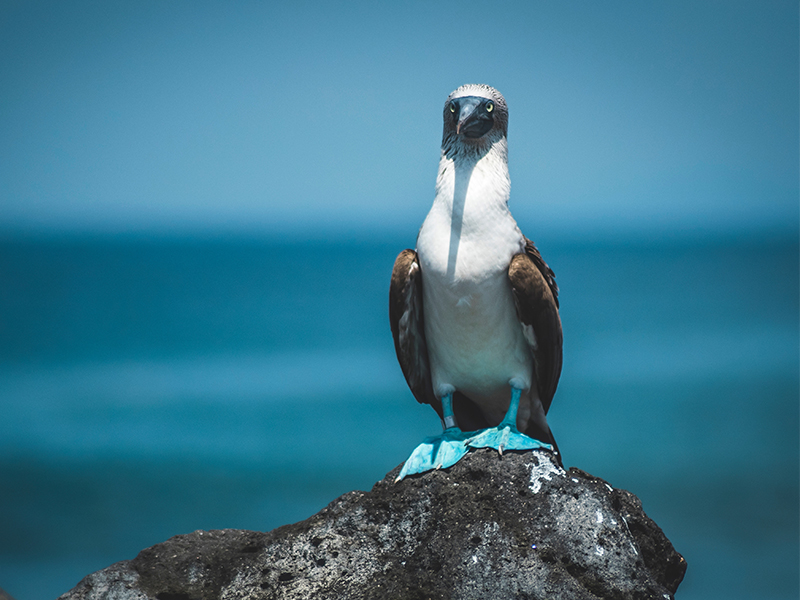
It’s also an active time for breeding and courtship among several species, from marine iguanas to blue-footed boobies.
If you prefer warmer weather and spending plenty of time in the water, this season may suit you particularly well.
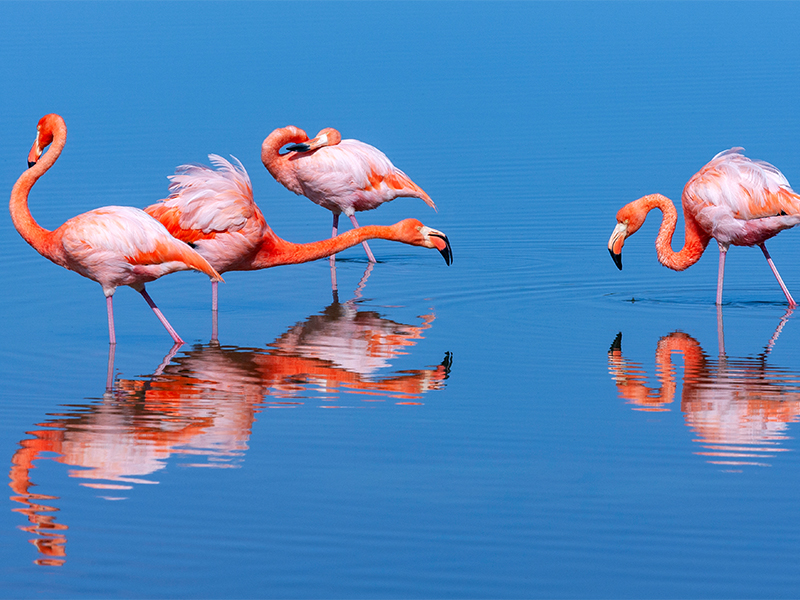
June to November: Cooler waters and abundant marine life
The arrival of the nutrient-rich Humboldt Current brings cooler conditions, with air temperatures generally between 20°C and 26°C.
The sea can be choppier, and the water is noticeably cooler, but these currents support a remarkable abundance of marine life.
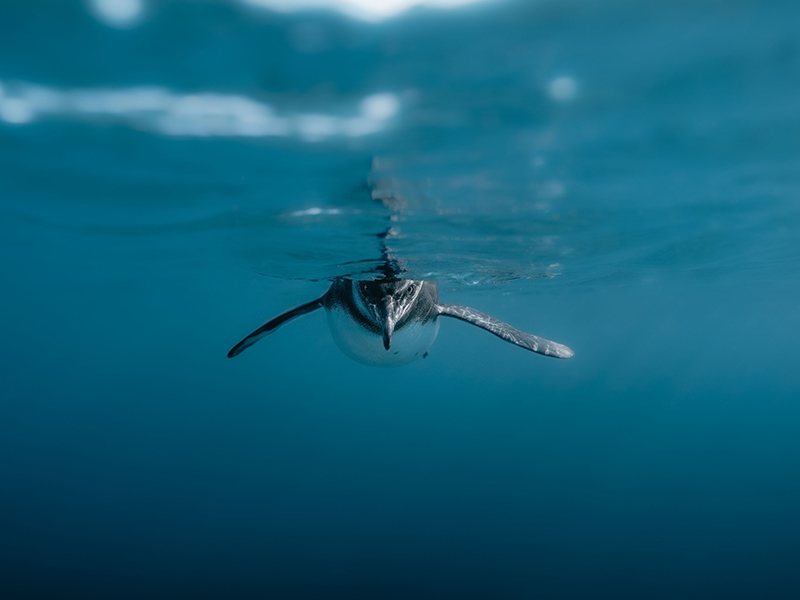
Penguins, sea lions, marine iguanas and seabirds take advantage of the plentiful food supply, while whales and dolphins may be spotted offshore.
For travellers particularly interested in marine wildlife, these months can offer some rewarding opportunities.
Our advice? Don’t choose your departure date based on temperature alone. Think about the wildlife you’d most like to encounter and the islands you’d like to explore. The two decisions are closely connected.
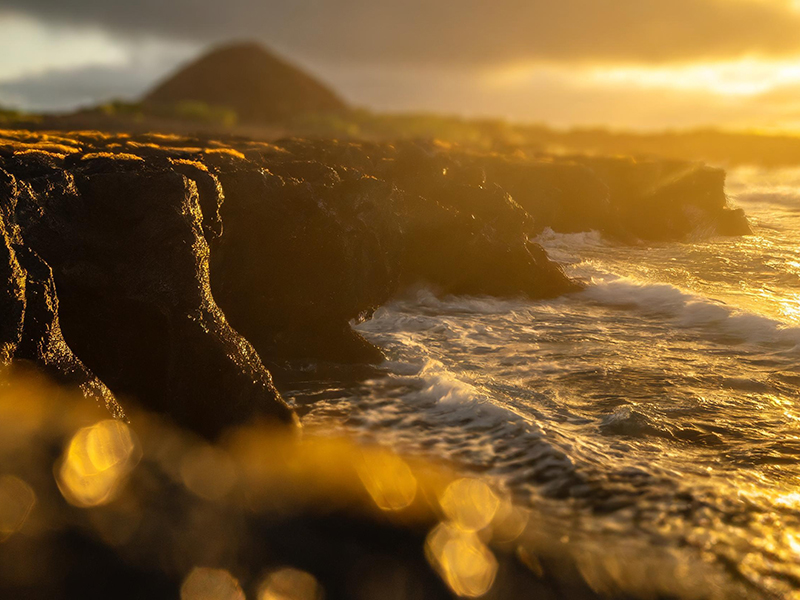
Galápagos island by island: What makes each one different?
There are 13 major islands in the Galápagos, alongside smaller islands, islets and rocky outcrops. Each has its own character, but some are particularly significant for expedition cruising.
Here are seven worth getting to know.
Española Island: Albatrosses and dramatic coastal wildlife
Española is one of the oldest islands in the archipelago, and one of the most rewarding for bird enthusiasts.
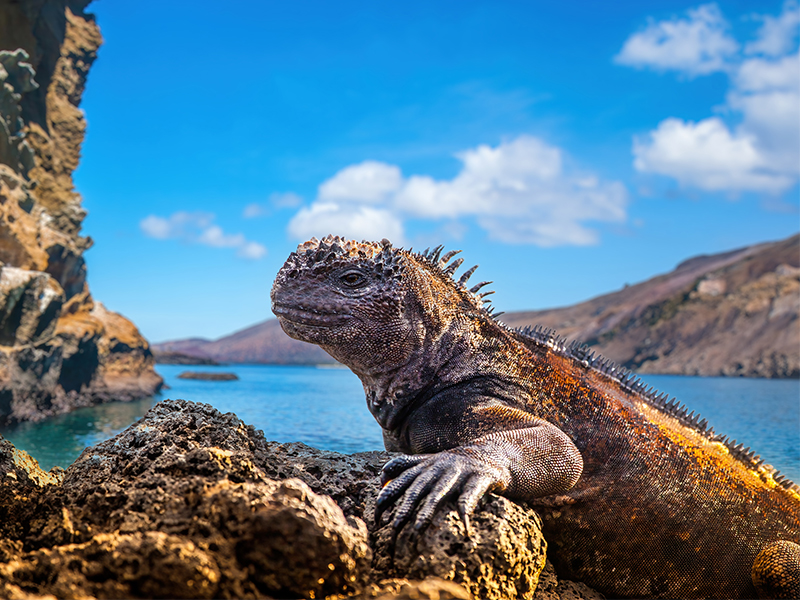
Its rocky coastline is home to colonies of Nazca boobies, blue-footed boobies and brightly coloured marine iguanas. At Punta Suárez, waves crash against the cliffs while seabirds soar overhead.
But Española is particularly well known for its waved albatrosses.
These remarkable birds return to the island to breed, performing elaborate courtship rituals involving bill clacking, head movements and a wonderfully awkward-looking dance.
Watching them is quite an experience.
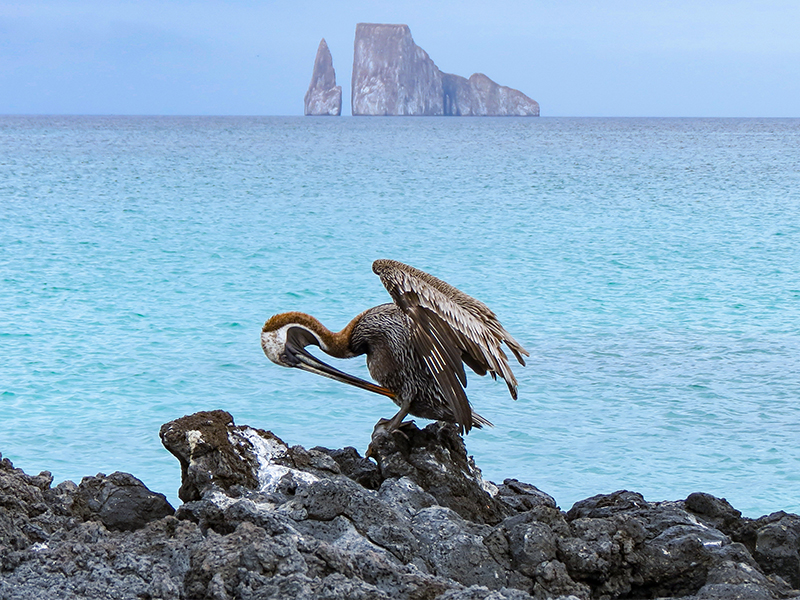
When to visit Española
April to November is generally the most rewarding period for waved albatross encounters, although birds can remain into December.
If seeing their courtship displays is a priority, April to June is particularly worth considering.
Outside the albatross breeding season, Española still offers excellent wildlife encounters, including sea lions, marine iguanas and nesting seabirds.
Look for: Waved albatrosses, Nazca boobies, marine iguanas and sea lions.
Fernandina Island: Volcanic landscapes and marine iguanas
Fernandina feels like a place where the Earth is still being made.
The youngest and one of the most volcanically active islands in the archipelago, it is dominated by a vast shield volcano and dark lava landscapes.
There’s little vegetation in many areas, but life thrives along the shoreline.
At Punta Espinoza, large colonies of marine iguanas gather on the black rocks, warming themselves after feeding underwater. Flightless cormorants spread their small wings beside the shore, while Galápagos penguins may be spotted in the surrounding waters.
It’s a striking landscape, and one that reveals the extraordinary adaptations wildlife has made to survive here.
When to visit Fernandina
Fernandina offers rewarding wildlife encounters throughout the year.
June to November is particularly interesting for marine activity, as cooler, nutrient-rich waters support abundant underwater life.
The warmer months can bring more comfortable snorkelling conditions, although sightings and sea conditions vary.
Look for: Marine iguanas, flightless cormorants, Galápagos penguins and sea lions.
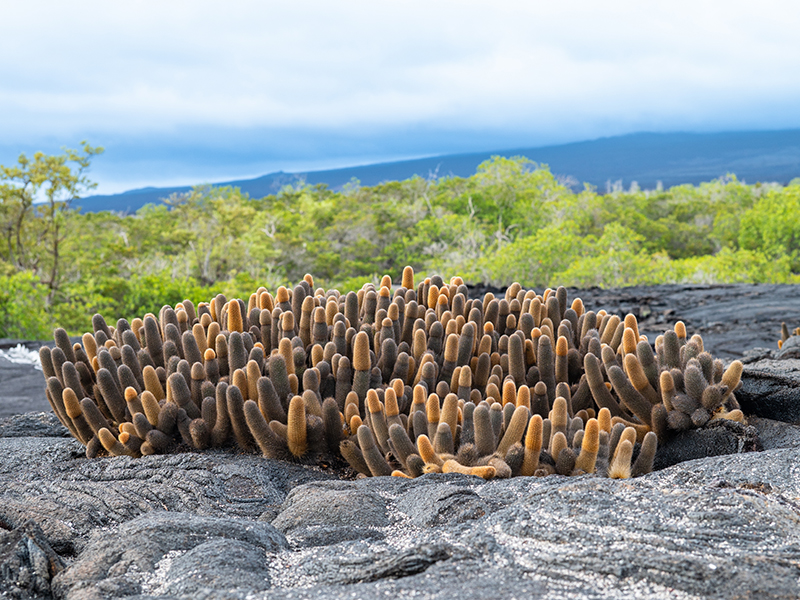
Isabela Island: Giant tortoises, volcanoes and penguins
Isabela is the largest island in the Galápagos, formed by the joining of six great shield volcanoes.
Its landscapes range from black lava fields and rugged coastlines to greener highlands where giant tortoises roam.
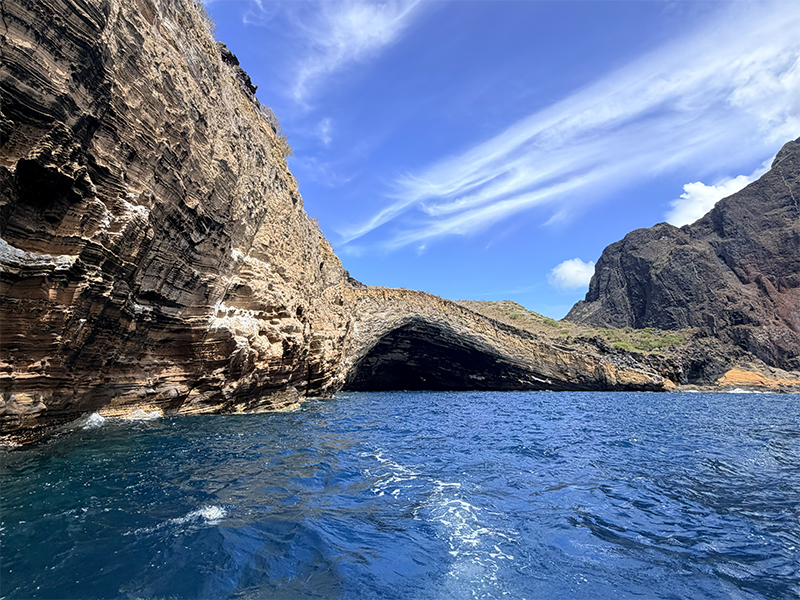
The island is also one of the most interesting places to understand the geological forces that created the archipelago.
Along its western coastline, cold, nutrient-rich waters attract a remarkable variety of marine life.
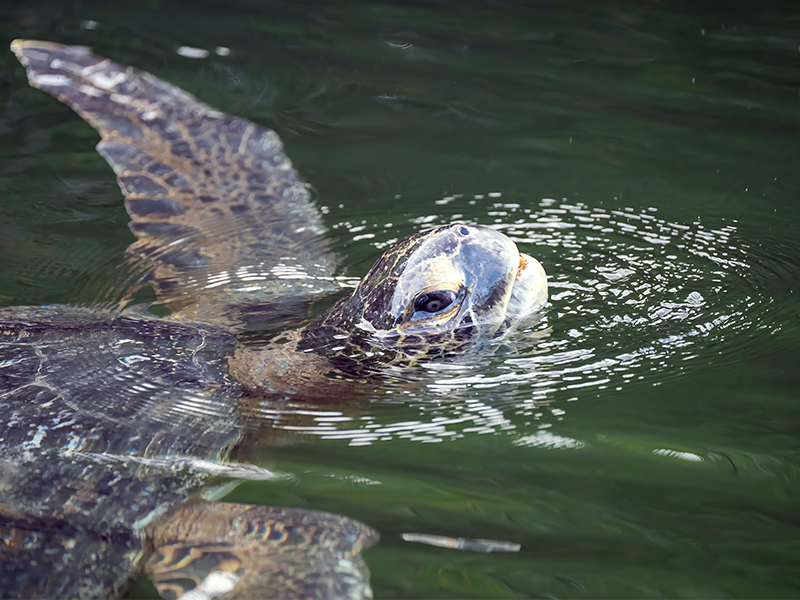
At places such as Tagus Cove and Vicente Roca Point, expedition travellers may encounter penguins, marine turtles, flightless cormorants and other marine species.
And then there are the tortoises.
Isabela is home to several distinct giant tortoise populations, each shaped by the conditions of its particular volcanic environment.
When to visit Isabela
Isabela is rewarding throughout the year, but June to November can be especially interesting for marine wildlife.
For travellers who prefer warmer water and generally calmer conditions, December to May may be more appealing.
The island’s size means the experience also depends considerably on which visitor sites your expedition includes.
Look for: Giant tortoises, Galápagos penguins, marine turtles and volcanic landscapes.
Santa Cruz Island: Giant tortoises and conservation
Santa Cruz offers a different perspective on the Galápagos.
While many islands feel remote and largely uninhabited, Santa Cruz is one of the archipelago’s main population centres, with the town of Puerto Ayora providing a glimpse into everyday island life.
It’s also an important centre for scientific research and conservation.
At the Charles Darwin Research Station, visitors can learn about efforts to protect the islands’ remarkable ecosystems, including the conservation and breeding of giant tortoises.
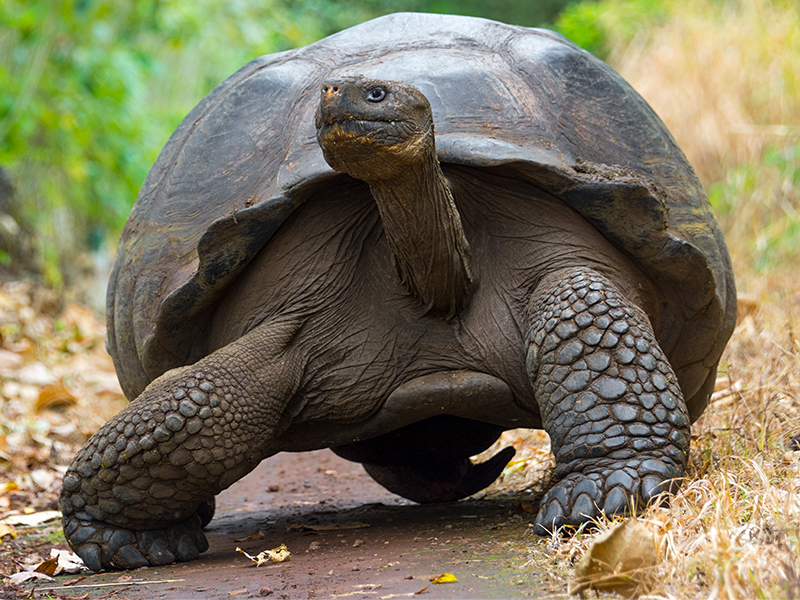
In the island’s lush highlands, wild giant tortoises move through grasslands and forests, often sharing the landscape with cattle and local farms.
Seeing one of these enormous creatures making its unhurried way through the greenery is a wonderful contrast to the marine wildlife encountered elsewhere.
When to visit Santa Cruz
Giant tortoises can be seen throughout the year, although their movements between the highlands and lower elevations change with seasonal rainfall.
The warmer, wetter months from December to May bring particularly green landscapes.
June to December is an interesting period for tortoise nesting and migration activity, although exact timings vary.
Look for: Giant tortoises, conservation projects, highland landscapes and local island life.
That choice of activities was something I appreciated throughout the journey. You could be walking across volcanic landscapes one day, heading out by Zodiac the next, then kayaking, snorkelling or viewing life below the surface through the glass-bottom boat – each giving you a different perspective on the Galápagos.
Genovesa Island: A world of seabirds
If you’re particularly interested in birdlife, Genovesa deserves a place on your itinerary.
Located in the northern part of the archipelago, this remote island is often called Bird Island, and for good reason.
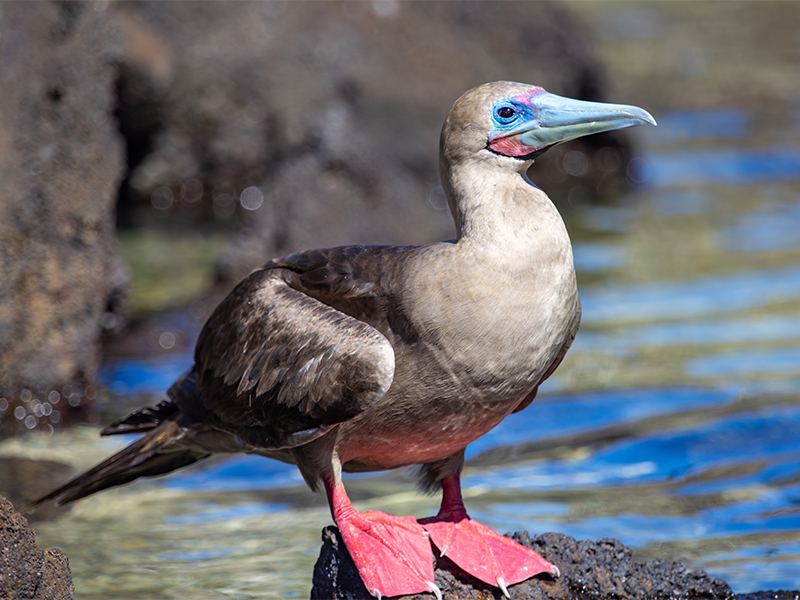
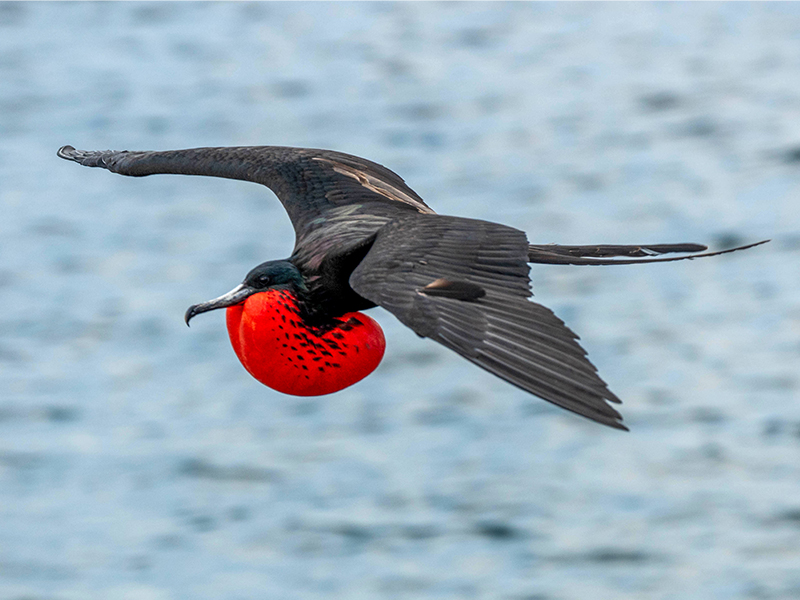
Red-footed boobies nest in the trees, frigatebirds display their inflated red throat pouches, and storm petrels dart across the volcanic landscape.
At Darwin Bay and Prince Philip’s Steps, walking trails reveal extraordinary concentrations of nesting birds.
The island is also home to short-eared owls, which have adapted to hunting storm petrels during daylight hours.
It’s a place where you can spend hours watching wildlife behaviour unfold around you.
When to visit Genovesa
Genovesa offers excellent birdwatching throughout the year.
Red-footed boobies and frigatebirds can be seen in different stages of their breeding cycles, with courtship and nesting activity varying by species and season.
April to June can be particularly interesting for courtship displays, but there’s plenty to discover in other months too.
Look for: Red-footed boobies, frigatebirds, Nazca boobies and short-eared owls.
Bartolomé Island: Volcanic scenery and penguins
Bartolomé may be small, but its landscape is among the most recognisable in the Galápagos.
A climb to the island’s viewpoint reveals an extraordinary panorama of volcanic cones, rust-coloured rock and the distinctive Pinnacle Rock rising from the sea.
It’s a wonderful place to appreciate the geological story of the islands.
But there’s more to Bartolomé than its scenery.
The surrounding waters provide opportunities to snorkel with colourful fish and marine turtles, while Galápagos penguins are sometimes seen around the rocky shoreline.
When to visit Bartolomé
The island can be visited throughout the year, subject to expedition itineraries and conditions.
December to May generally offers warmer water for snorkelling, while the cooler months may bring increased marine activity.
For photographers, the volcanic landscapes are rewarding in every season.
Look for: Pinnacle Rock, volcanic landscapes, Galápagos penguins and marine turtles.
Rábida Island: Red sand and sea lions
Step ashore on Rábida and the first thing you’ll notice is the colour.
The island’s distinctive red sand comes from iron-rich volcanic material, creating a striking contrast with the turquoise water and green vegetation.
Sea lions often rest along the shoreline, while pelicans nest in the surrounding coastal vegetation.
A walk inland reveals a landscape shaped by volcanic activity, with opportunities to observe finches and other land birds.
Rábida is also known for its snorkelling, where sea lions, reef fish and marine turtles may be encountered.
When to visit Rábida
Rábida is rewarding throughout the year.
The warmer months from December to May generally provide more comfortable snorkelling conditions, while the cooler season can bring particularly active marine life.
Look for: Red sand beaches, sea lions, pelicans and snorkelling encounters.
Which Galápagos islands should you visit?
This is where planning your expedition becomes particularly interesting.
Not every Galápagos cruise visits every island. In fact, most don’t come close.
Visitor access is carefully managed by the Galápagos National Park, with designated landing sites and regulated itineraries designed to protect the archipelago’s fragile ecosystems.
Some expeditions concentrate on the central and southern islands, while others explore the western or northern regions.
And those differences matter.
If waved albatrosses are high on your list, you’ll want an itinerary that includes Española during their breeding season.
If you’re particularly interested in penguins, marine iguanas and volcanic landscapes, the western islands of Fernandina and Isabela may be a stronger choice.
For bird enthusiasts, Genovesa offers a different experience again.
And if you’d like to learn more about the islands’ conservation story, Santa Cruz is well worth exploring.
There’s no single itinerary that’s right for everyone.
The important thing is finding the journey that reflects your interests, with enough time to experience the places you’ve travelled so far to see.
A Galápagos wildlife calendar: When to see what
Wildlife encounters are possible throughout the year, but some seasonal patterns can help you decide when to travel.
| Wildlife or experience | Particularly interesting months | Where to look |
|---|---|---|
| Waved albatrosses | April–November | Española |
| Blue-footed booby courtship | April–June, varying by island | Española, North Seymour and other islands |
| Giant tortoises | Year-round | Santa Cruz, Isabela |
| Marine iguanas | Year-round; breeding activity often December–March | Fernandina, Española, Isabela |
| Galápagos penguins | Year-round; productive marine conditions June–November | Isabela, Fernandina, Bartolomé |
| Sea lion pups | Often August–December, varying by colony | Española, Rábida and other islands |
| Green sea turtle nesting | December–May | Sandy beaches across the archipelago |
| Whales and dolphins | Often June–November for increased whale activity | Offshore waters, particularly western regions |
| Frigatebird courtship | Varies by species and colony | Genovesa, North Seymour |
These are general seasonal patterns rather than guaranteed sighting windows. Wildlife behaviour varies naturally, and expedition routes and visitor access are subject to national park regulations.
How long should you spend exploring the Galápagos?
It’s tempting to try to see as many islands as possible, particularly when travelling such a long way.
But the Galápagos rewards a more considered approach.
A shorter expedition of around four or five days can introduce you to the archipelago’s remarkable wildlife and landscapes.
However, if you have the time, a voyage of seven to ten days – or longer – allows you to explore a wider variety of islands, ecosystems and visitor sites.
Longer itineraries may also give you opportunities to reach more remote areas of the archipelago, depending on the route.
And while the number of islands visited matters, so does the time spent exploring them.
A well-planned expedition should give you opportunities to walk ashore with knowledgeable naturalist guides, explore by Zodiac, snorkel where conditions allow and simply observe the wildlife around you.
After all, there’s little point travelling halfway around the world only to rush through the very places you’ve come to experience.
Choosing the right Galápagos expedition cruise
The Galápagos is one of those destinations where the ship and itinerary can make a considerable difference.
Smaller expedition vessels are designed around exploring the islands, with naturalist-led excursions and opportunities to discover the landscapes and wildlife up close.
But there are important differences between ships.
Some offer a more intimate experience with fewer passengers, while others provide additional facilities, more spacious accommodation or different levels of activity.
It’s worth thinking about what matters most to you.
Are you hoping to spend as much time as possible snorkelling? Would you prefer longer guided walks? Are there particular islands or wildlife species you’re especially interested in?
And how comfortable are you with Zodiac landings, uneven terrain and time spent on the water?
These are the sorts of questions that can make all the difference between a good expedition and one that feels genuinely right for you.
So, when should you go – and which islands should you choose?
The wonderful thing about the Galápagos is that there’s always something happening.
In April, you might watch waved albatrosses beginning their elaborate courtship rituals on Española.
In August, you could be exploring the volcanic coastline of Fernandina, watching marine iguanas emerge from the cool Pacific waters.
Or in January, you might find yourself walking through the green highlands of Santa Cruz, with giant tortoises grazing quietly nearby.
Each season reveals something different. And each island adds another layer to the story.
Our advice is simple: start with what you’d most love to experience, then choose the islands and time of year around it.
And leave a little room for the unexpected.
Because some of the most memorable moments in the Galápagos aren’t the ones you’ve planned.
They’re the ones that happen when you stop, watch and let nature get on with its day.
FIRST-HAND FROM THE GALÁPAGOS:
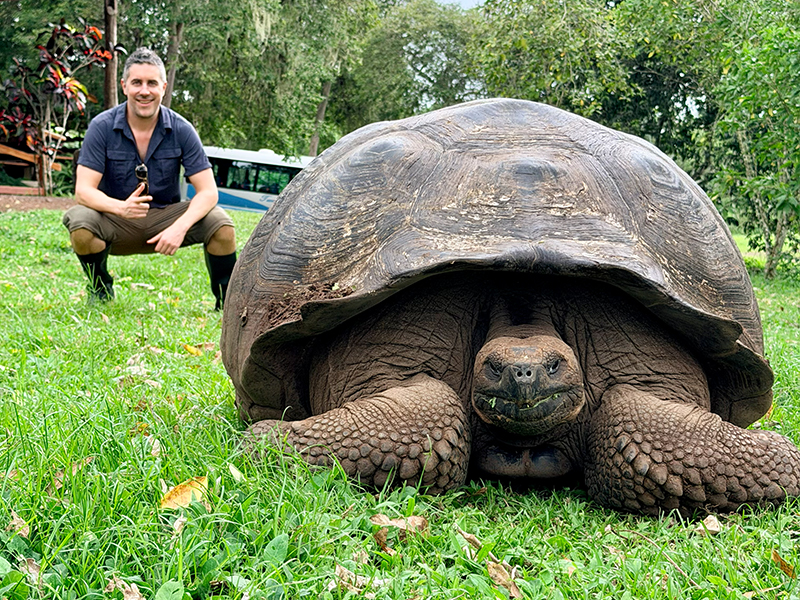
“We visited six of the thirteen major islands on our voyage, and each had its own charm and remarkable variety of wildlife. It’s warm around the equator all year round, and with different species breeding at different times, there are always chicks, young animals and fascinating wildlife encounters to enjoy. What struck us most was how completely unafraid of humans the animals were. You could sit quietly and watch them going about their daily lives, seemingly oblivious to your presence. It really is a very special place to explore.”
Lewis | Marketing Executive
Visited September 2026
Explore the Galápagos with Cruise Routes
At Cruise Routes, we believe that the right expedition is about more than the number of islands on your itinerary.
It’s about finding the right ship, the right route and the right opportunities for discovery.
Our Cruise Consultants will take the time to understand what interests you most, whether that’s wildlife photography, snorkelling with sea lions, exploring volcanic landscapes or learning about the conservation work protecting this extraordinary archipelago.
We’ll use our first-hand experience to help you understand the differences between itineraries, what each season offers and which expedition is most likely to give you the experiences you’re looking for.
Because the Galápagos deserves more than a passing visit.
Ready to start exploring?
Speak to a Cruise Consultant about your Galapagos cruise on 0203 924 8888 or enquire here.