Few places on Earth capture the imagination quite like Patagonia. Stretching across the southern reaches of Chile and Argentina, this vast wilderness is home to towering glaciers, snow-capped peaks, remote fjords and extraordinary wildlife. It’s a landscape that feels untamed, where nature dictates the pace and every day brings something different.
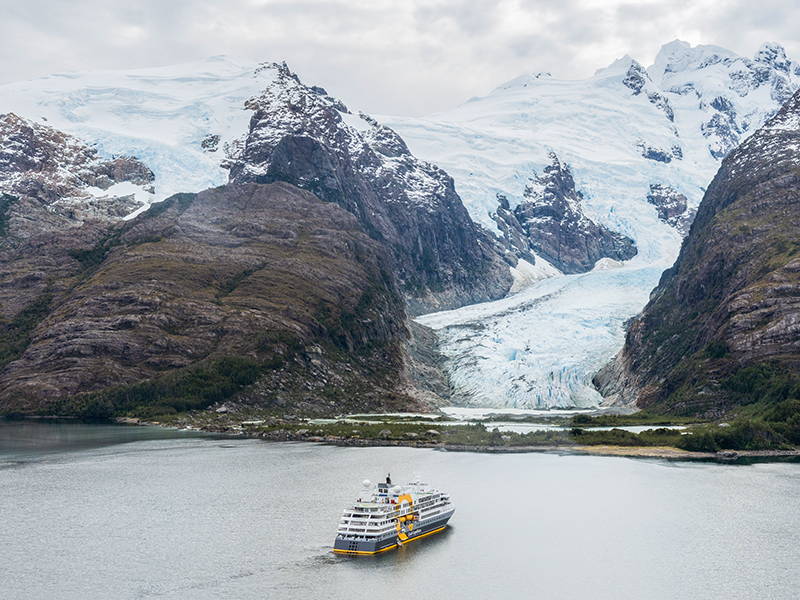
While Patagonia can of course be explored by land, many of its most spectacular landscapes are only accessible by sea via remote fjords. Expedition cruises allow you to sail through narrow channels, venture into glacier-filled fjords and step ashore in places few travellers ever reach.
Whether you’re discovering Patagonia as a destination in its own right or combining it with a journey further south, here’s everything you need to know before you go.
Why explore Patagonia by expedition cruise?
Many travellers ask whether they should choose Patagonia or Antarctica.
The good news is you don’t always have to choose.
Some itineraries combine both destinations, allowing you to experience Patagonia’s dramatic fjords before crossing the Drake Passage to Antarctica.
If you’re looking for varied landscapes, rich wildlife and cultural history, Patagonia offers incredible diversity. Antarctica, meanwhile, delivers an entirely different experience centred around vast ice landscapes and unique polar wildlife.
For many travellers, Patagonia provides the perfect introduction to expedition cruising.
Where is Patagonia?
Patagonia covers the southernmost regions of Chile and Argentina, extending from the Lake District in the north to Cape Horn at the very tip of South America.
For expedition cruising, journeys typically explore Chile’s spectacular fjords and channels, the Strait of Magellan, Beagle Channel and Tierra del Fuego, with many itineraries continuing onwards to Antarctica.
What makes Patagonia so special?
Patagonia is defined by its dramatic contrasts.
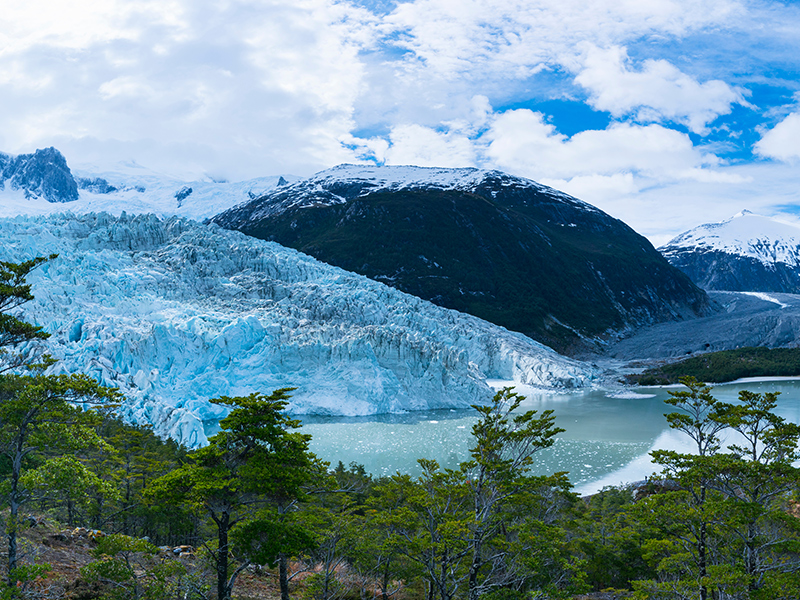
One day you may find yourself sailing through glacier-lined fjords beneath snow-covered peaks. The next, you’re watching Magellanic penguins gathering along windswept shores or spotting humpback whales feeding in protected bays.
The opportunity for real discovery is what makes Patagonia such an unforgettable destination. From remarkable wildlife to the stories of early explorers and the communities who continue to call this remote region home, every day reveals another layer of this extraordinary part of the world.
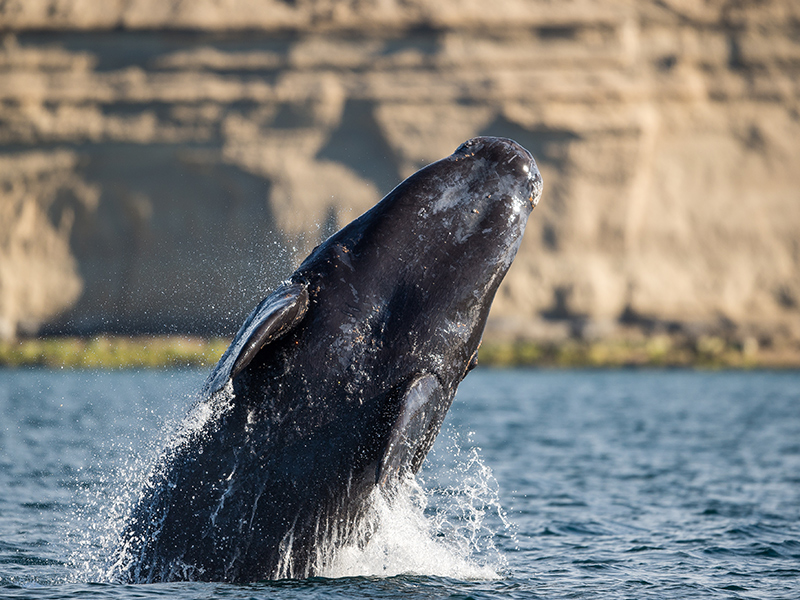
Image courtesy of HX Expeditions.
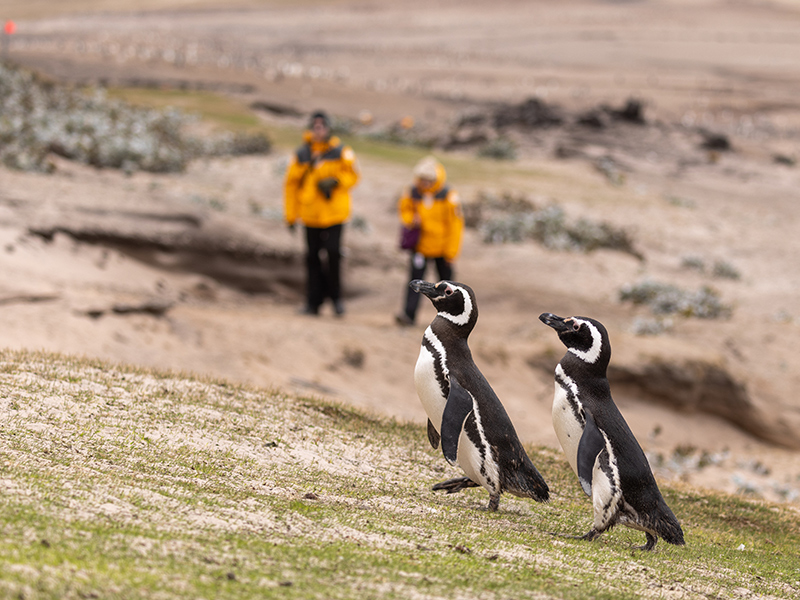
Image courtesy of Quark Expeditions.
Wildlife you’ll encounter
One of Patagonia’s greatest attractions is its wildlife.
Depending on the season and itinerary, you may encounter:
- Magellanic penguins
- South American sea lions
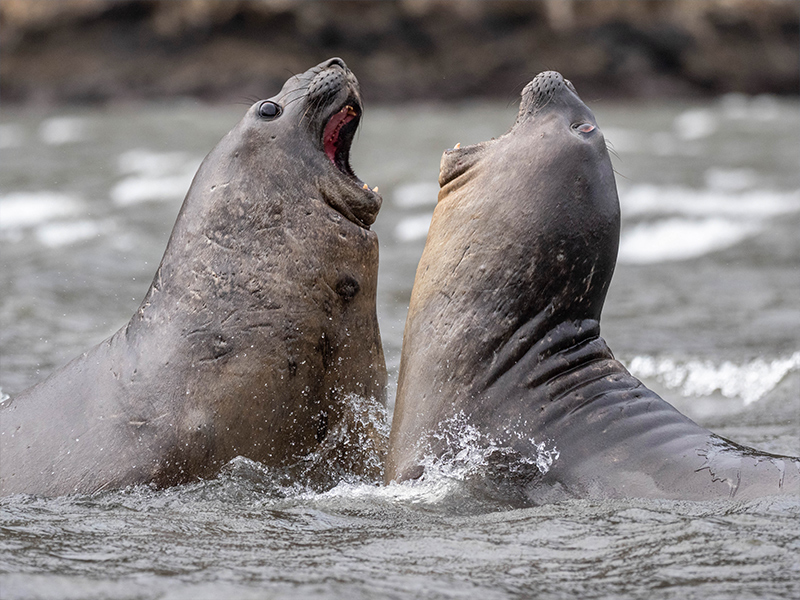
- Elephant seals
- Humpback whales
- Dolphins
- Andean condors
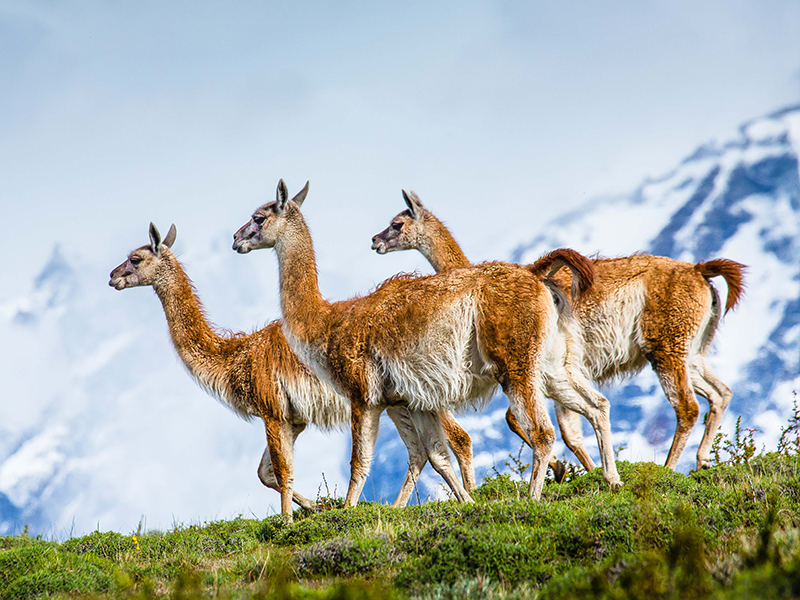
- Guanacos
- Albatrosses
Wildlife sightings are never guaranteed, but travelling on a smaller expedition ship means greater flexibility to make the most of opportunities as they arise.
Highlights of a Patagonia expedition cruise
Chilean fjords
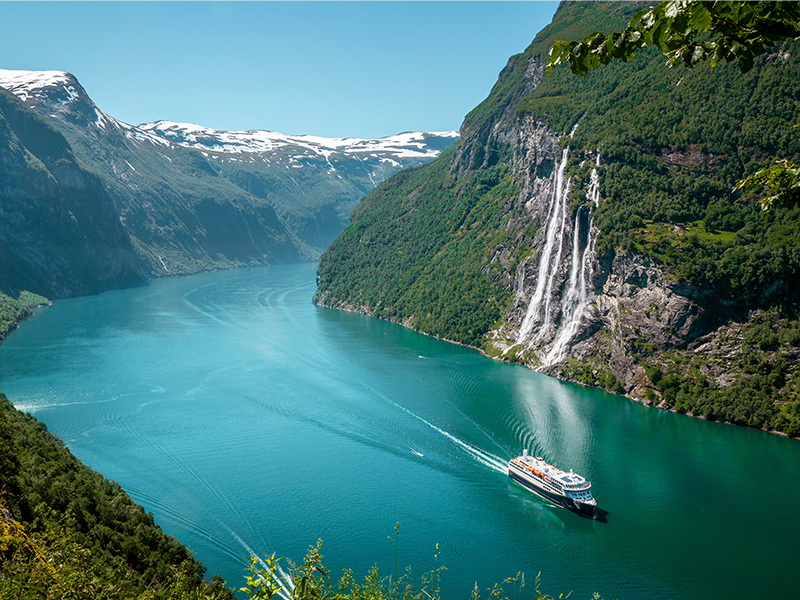
Navigate spectacular waterways surrounded by forests, waterfalls and towering mountains.
Glacier Alley
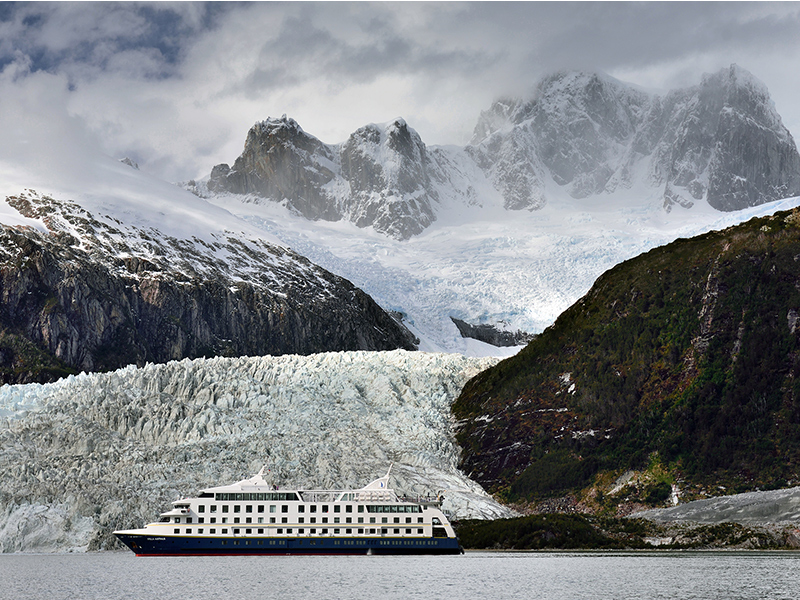
Cruise past some of Patagonia’s most impressive tidewater glaciers, including the striking Pia Glacier.
Beagle Channel
One of the world’s most famous waterways, rich in history, wildlife and breathtaking scenery.
Cape Horn
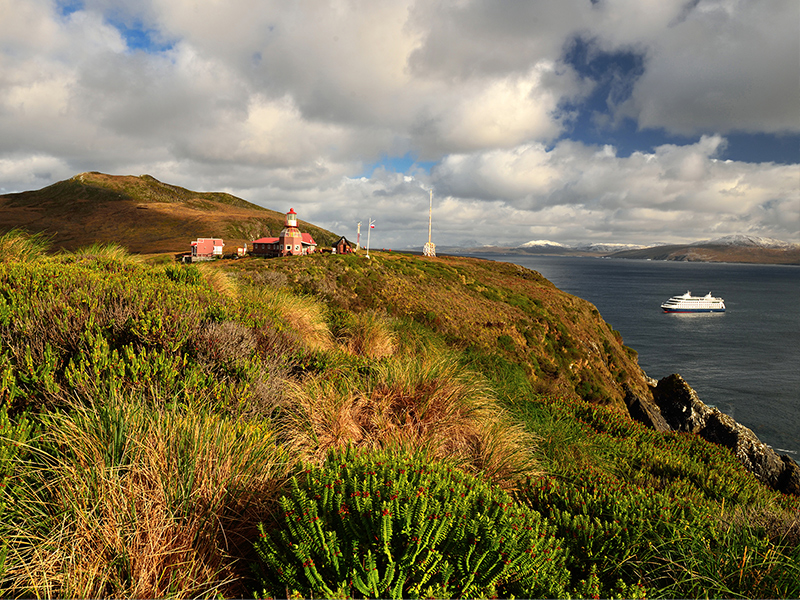
Weather permitting, step ashore at one of the southernmost points on Earth.
Tierra del Fuego
Explore remote islands where dramatic landscapes meet fascinating human history.
When is the best time to visit Patagonia?
The expedition season generally runs from October through March, during the Southern Hemisphere summer.
October – November
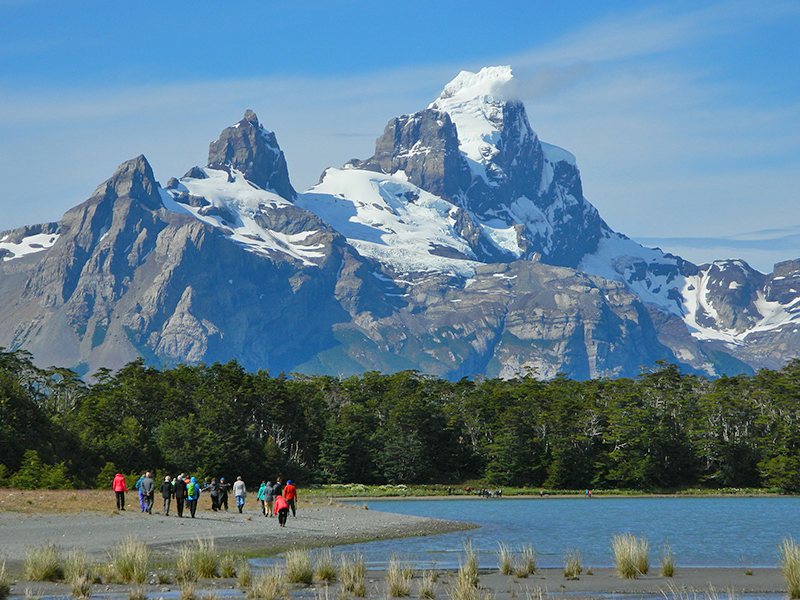
Snow-capped scenery
Spring wildlife
Fewer visitors
December – January
Longer daylight hours
Peak wildlife activity
Mildest temperatures
February – March
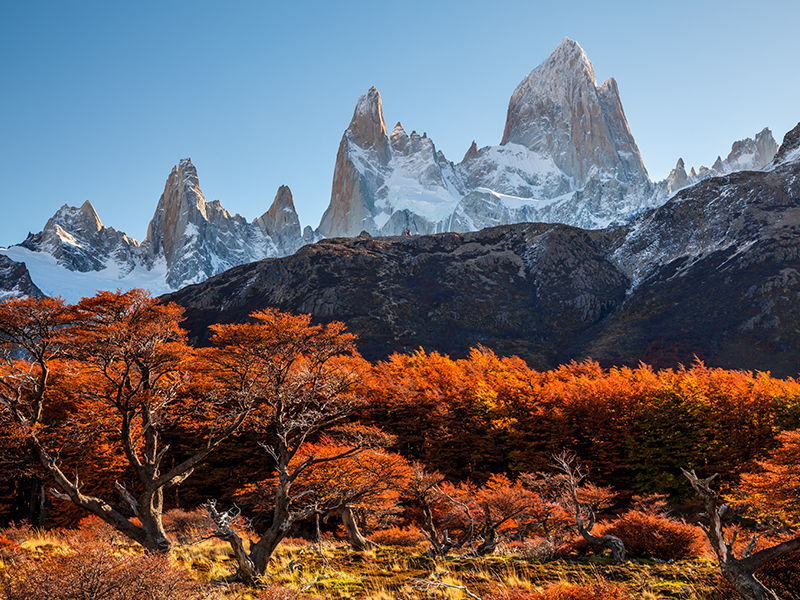
Autumn colours begin
Excellent whale watching
Quieter sailings
Every month offers a different perspective, making Patagonia a rewarding destination throughout the expedition season.
Patagonia or Antarctica?
Many travellers ask whether they should choose Patagonia or Antarctica.
The good news is you don’t always have to choose.
Some itineraries combine both destinations, allowing you to experience Patagonia’s dramatic fjords before crossing the Drake Passage to Antarctica.
If you’re looking for varied landscapes, rich wildlife and cultural history, Patagonia offers incredible diversity. Antarctica, meanwhile, delivers an entirely different experience centred around vast ice landscapes and unique polar wildlife.
For many travellers, Patagonia provides the perfect introduction to expedition cruising.
Choosing the right expedition cruise
Every expedition cruise is slightly different.
Some place greater emphasis on adventure and scientific discovery, while others combine expedition experiences with a more refined onboard atmosphere.
At Cruise Routes, we work with carefully selected exploration cruise partners, helping you find the journey that best matches the way you like to travel.
Rather than recommending one operator over another, we’ll help you understand the differences so you can choose with confidence.
Why book with Cruise Routes?
At Cruise Routes, we believe cruising is designed for exploration.
The opportunity for real discovery is the golden thread connecting every journey we recommend. From extraordinary wildlife and spectacular landscapes to meaningful encounters with the places you visit, our carefully selected expedition cruises are chosen to help you experience destinations more deeply – not simply pass through them.
Whether you’re considering Patagonia as your first expedition cruise or planning a journey that continues to Antarctica, our Cruise Consultants are here to help you find the right voyage for you.
Speak to a Cruise Consultant about your Patagonia cruise on 0203 924 8888 or enquire here.