Cruise Routes Marketing Executive and photographer Lewis Freeth recently travelled through the Galápagos on a fantastic voyage aboard Islander II with Lindblad-National Geographic Expeditions.
From giant tortoises in the highlands to marine iguanas sprawled across black lava, he discovered that in the Galápagos, the wildlife isn’t something you simply go looking for – it’s all around you.
There are plenty of places in the world where you can see remarkable wildlife. The Galápagos feels rather different.
Here, sea lions can be sleeping beside the shore, marine iguanas bask on the lava and seabirds carry on with their lives seemingly untroubled by your presence. The emphasis is firmly on observing them on their terms – sometimes from remarkably close quarters.
As a keen photographer, Lewis arrived with his Nikon camera and 100-400mm zoom lens at the ready. And it got plenty of use exploring Santa Cruz, Rabida, North Seymour, Isabela, Fernandina and Santiago islands along the way.
Wildlife at eye level
Perhaps the biggest adjustment when you first arrive in the Galápagos is getting used to just how present the wildlife is.
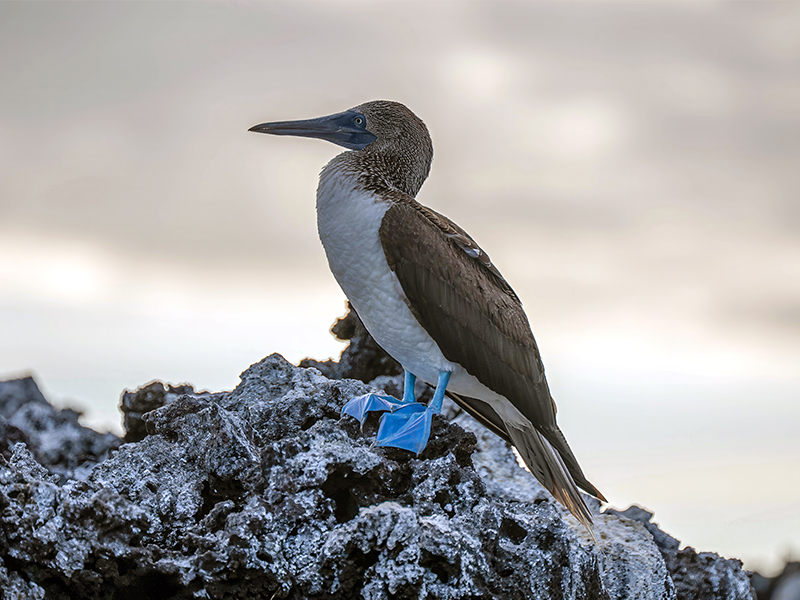
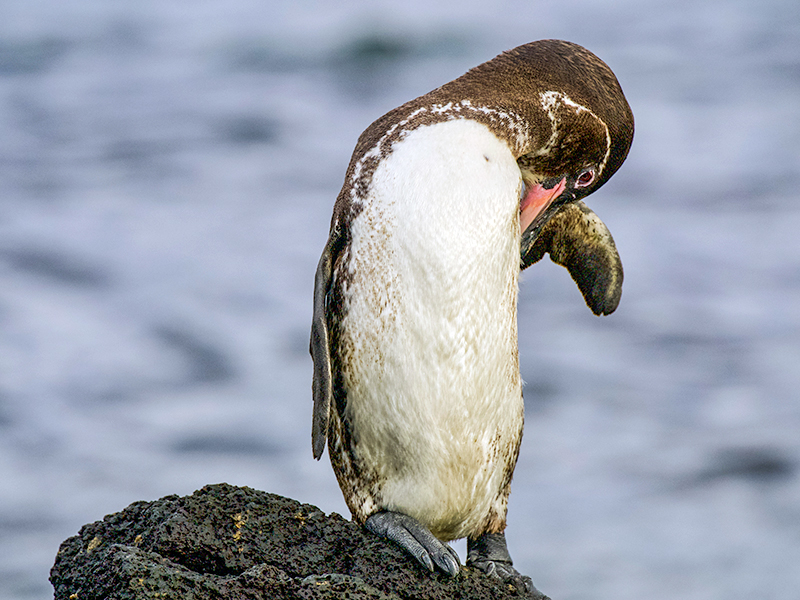
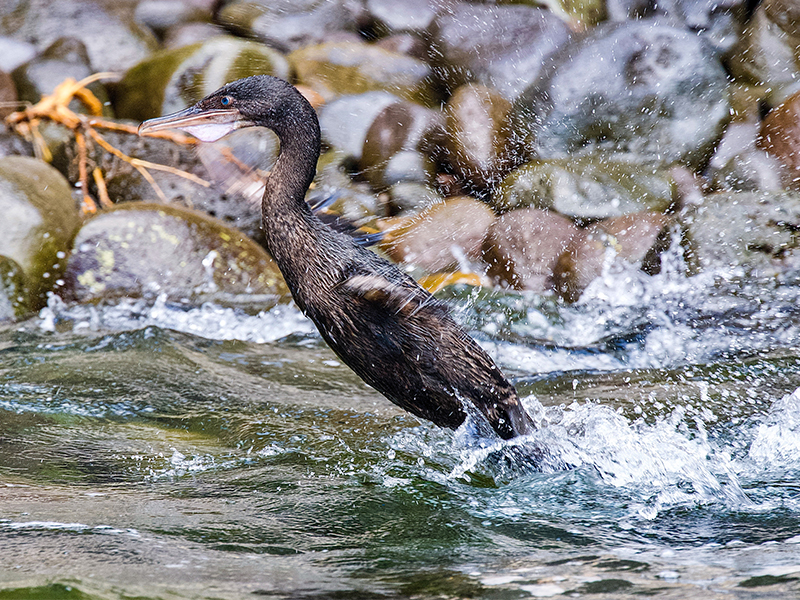
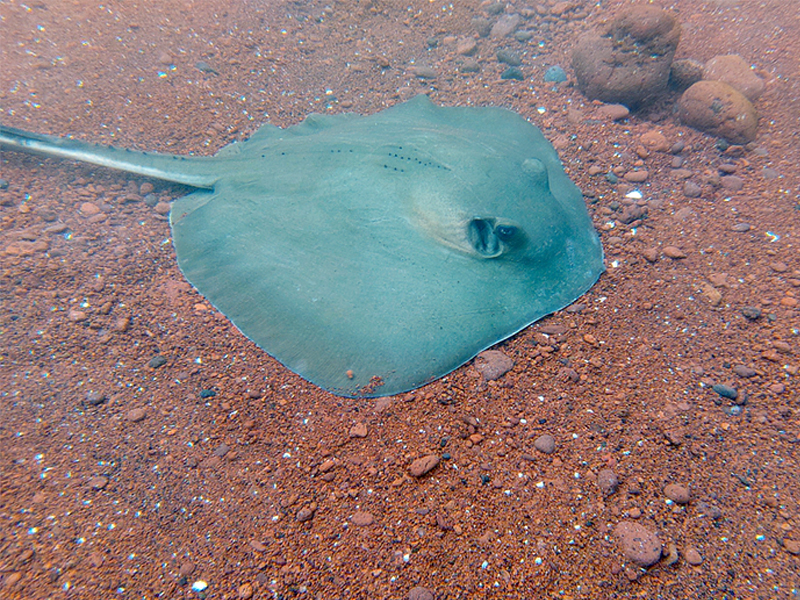
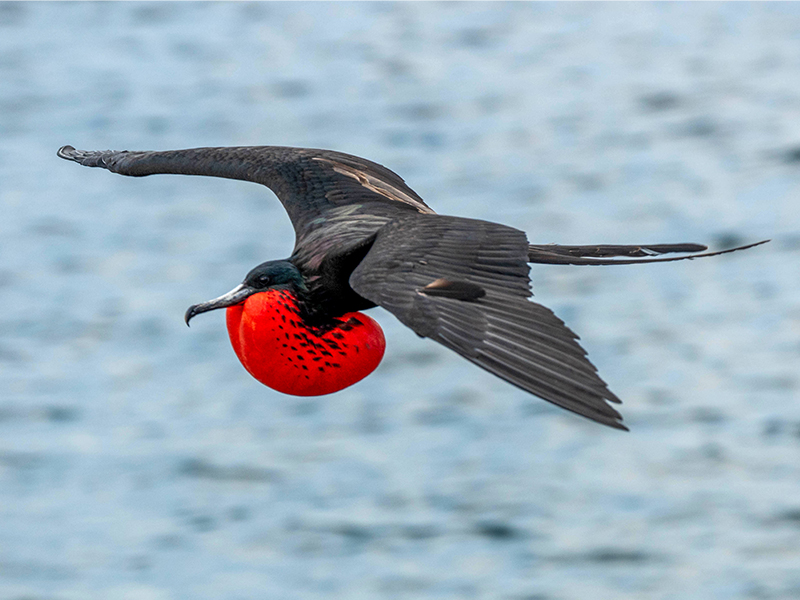
Around the mangroves of Santa Cruz, turtles and rays swam and surfaced around our zodiacs. On North Seymour, the expedition explored an important nesting site for blue-footed boobies, swallow-tailed gulls and both magnificent and great frigatebirds. On Fernandina, hundreds of marine iguanas could be found basking on the dark lava, with sea lions, penguins and flightless cormorants among the other possible sightings.
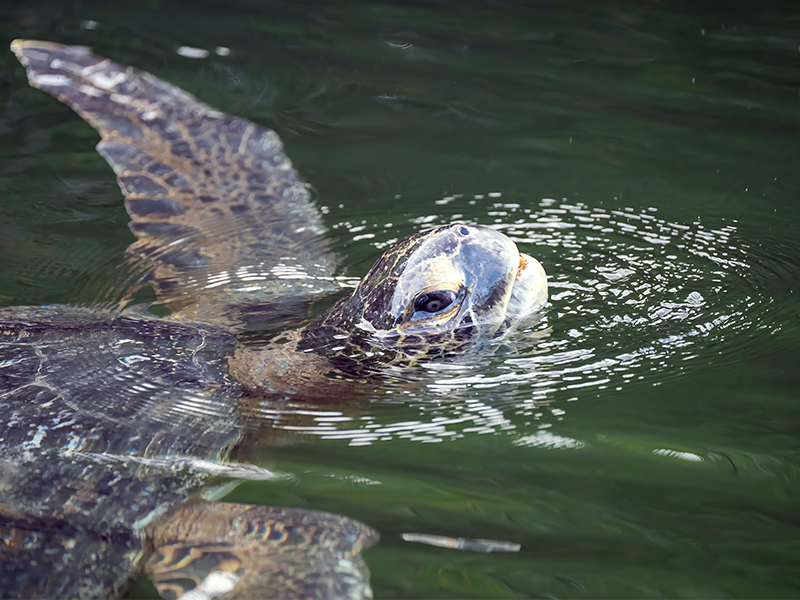
Then there were the waters surrounding the islands.
At Punta Vicente Roca on Isabela, cold, nutrient-rich waters support an unusually rich marine ecosystem. Exploring beneath imposing volcanic cliffs by Zodiac brought opportunities to look for Galápagos penguins, flightless cormorants, sea turtles and marine iguanas, with snorkelling offering the chance to experience another side of the islands altogether.
For me this made the Galápagos particularly rewarding to photograph. On shore and on water, the excursions were amazing with unique creatures everywhere and lots of photo opportunities for avid wildlife fans like myself.
The photographic opportunities weren’t limited to wildlife, either. Black lava, red beaches, mangroves, volcanic cliffs and green highlands meant the landscape seemed to change almost as frequently as the animals in front of the lens.
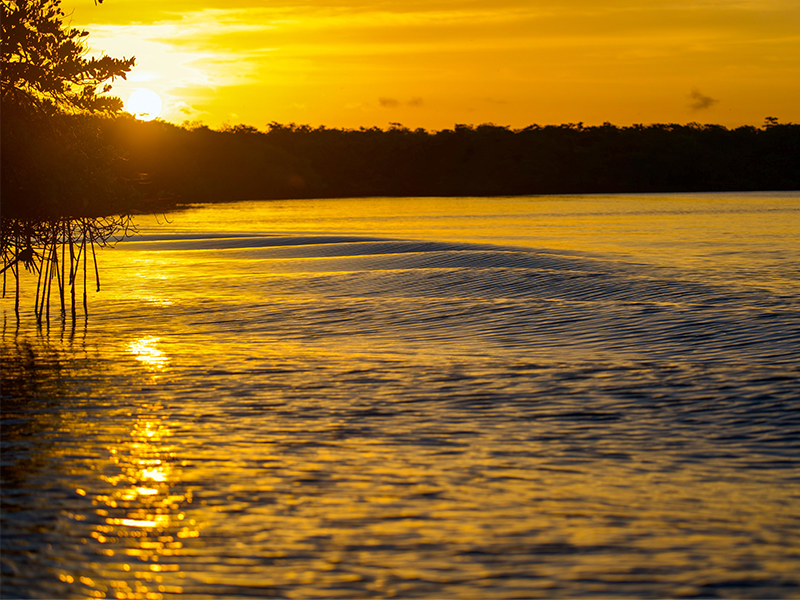
One archipelago, very different islands
It’s tempting to talk about ‘the Galápagos’ as though it were one environment. Spend several days travelling between the islands and that idea quickly disappears.
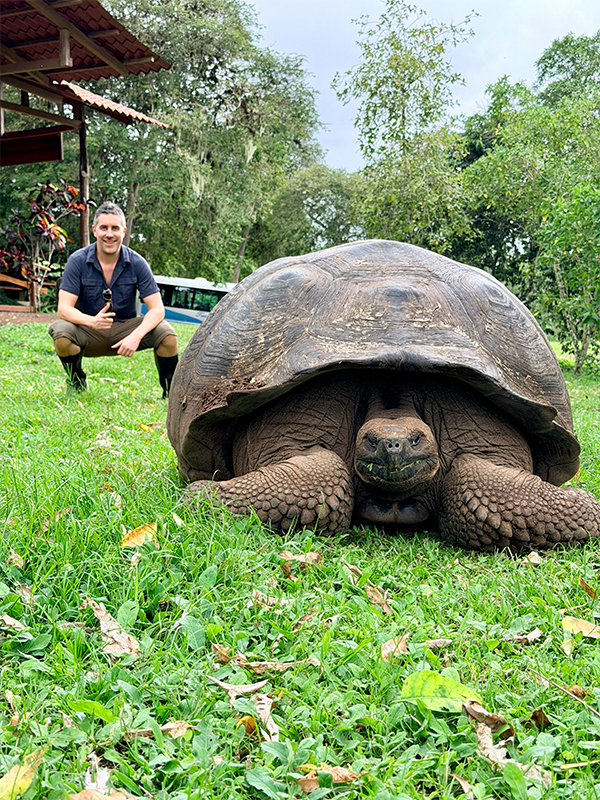
Santa Cruz brought one of the greener sides of the archipelago. I travelled into its cooler highlands, through the Scalesia forest around Los Gemelos pit craters and on to El Manzanillo Ranch, where giant tortoises roam in their natural habitat.
North Seymour was different again – rocky, exposed and particularly rich in birdlife.
Further west, Isabela and Fernandina revealed a more volcanic world. At Fernandina’s Punta Espinosa, the contrast is particularly striking: relatively recent black lava flows meet waters rich enough to sustain an abundance of life.
Santiago added another perspective, with kayaking and snorkelling around Buccaneer Cove followed by exploration around Puerto Egas, where the shoreline and tidal areas are frequented by marine iguanas, sea lions, coastal birds and Galápagos fur seals.
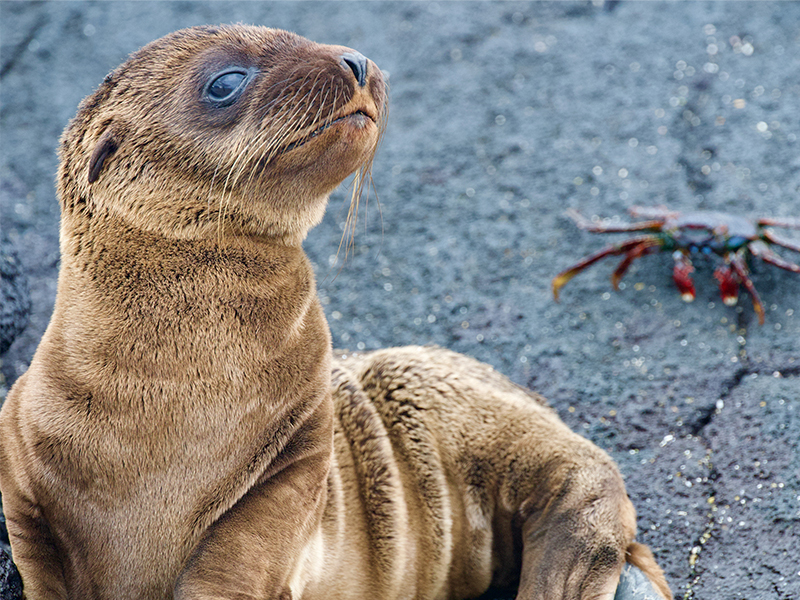
You’re not simply collecting islands along the way. Each one helps you understand another part of what makes the archipelago so unusual.
The ship that takes you into the Galápagos
One of the real advantages of exploring the Galápagos aboard National Geographic Islander II is just how much ground – and water – you can cover.
While you’re having dinner, relaxing after a day ashore or sleeping, the ship can be taking you towards another island and an entirely different environment. Over the course of my expedition, Islander II – carrying just 48 guests – connected the green highlands of Santa Cruz with the seabird colonies of North Seymour, the wildlife-rich waters and volcanic cliffs of Isabela, the black lava shores of Fernandina and the varied coastline of Santiago.
And once you arrive, the ship becomes the starting point for exploring even further.
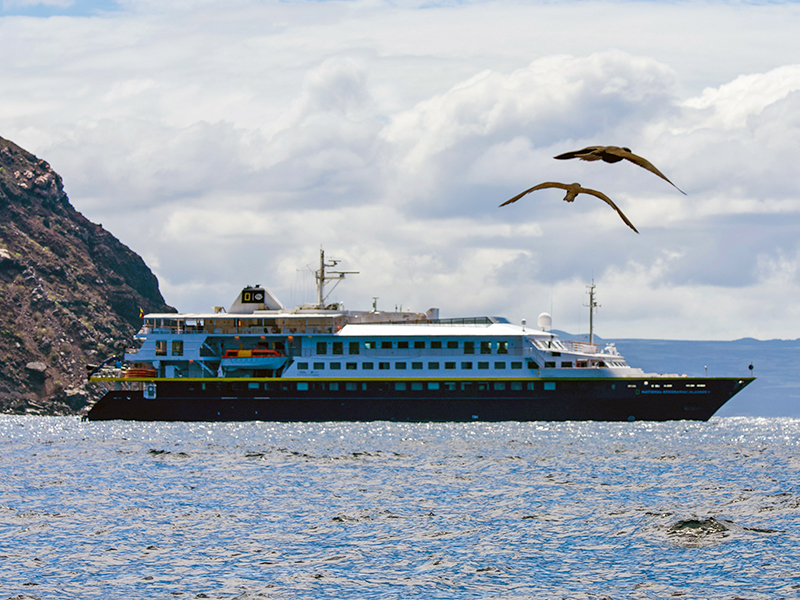
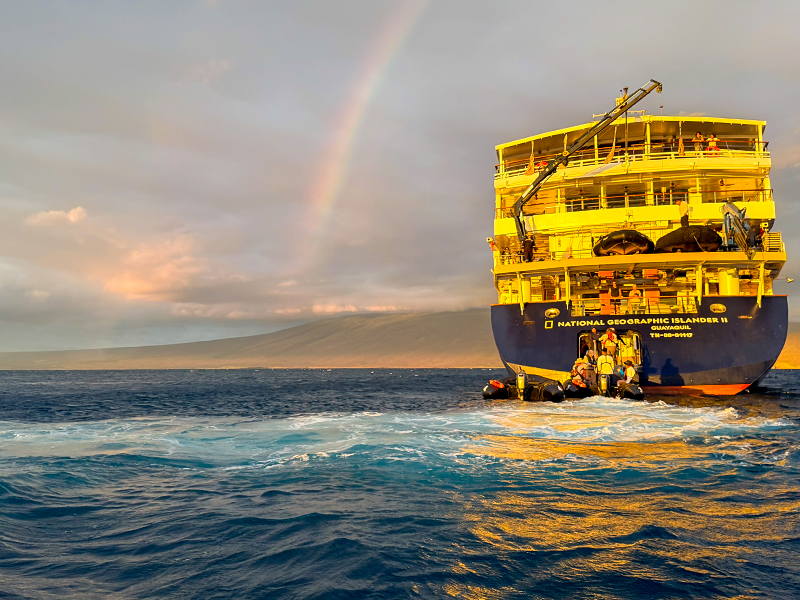
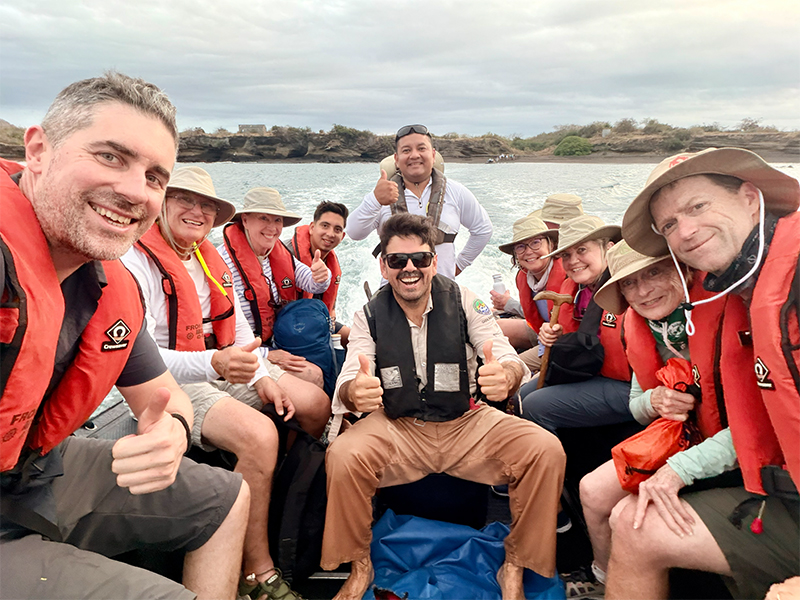
Zodiacs carried guests into the mangroves of Black Turtle Cove and beneath the cliffs of Isabela. Elsewhere, they could head ashore on foot, kayak along the coastline or slip into the water to snorkel. At Santiago’s Buccaneer Cove, for example, the morning offered kayaking, Zodiac exploration and snorkelling – different ways to experience the same coastline from completely different perspectives.
That’s where a ship like Islander II really earns its place. It doesn’t separate you from the Galápagos; it gives you access to more of it.
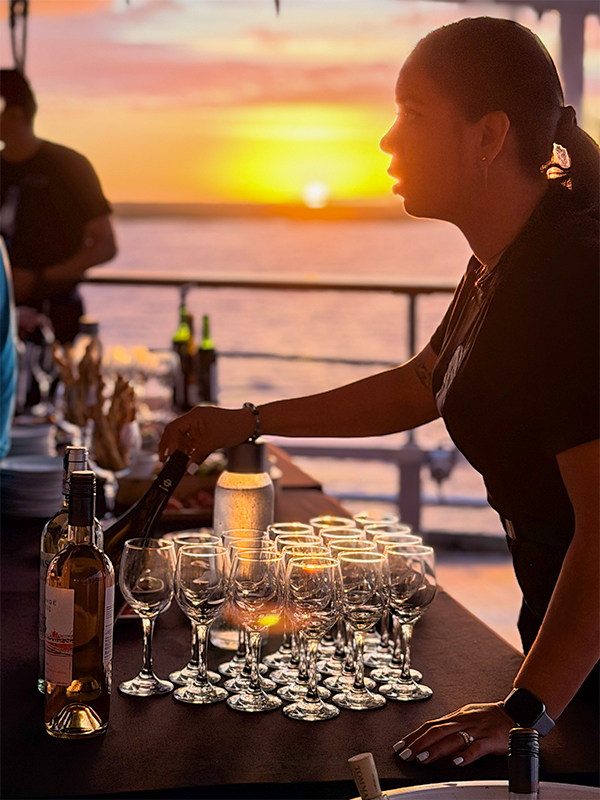
Then, after a morning snorkelling or an afternoon crossing lava under the equatorial sun, you return to the comfort and excellent service enjoyed on board, ready to sail on and discover what the next island has in store.
The people who help you see more
Being surrounded by wildlife is one thing. Understanding what you’re watching is another.
That’s where I felt Lindblad’s expedition team added considerably to the experience.
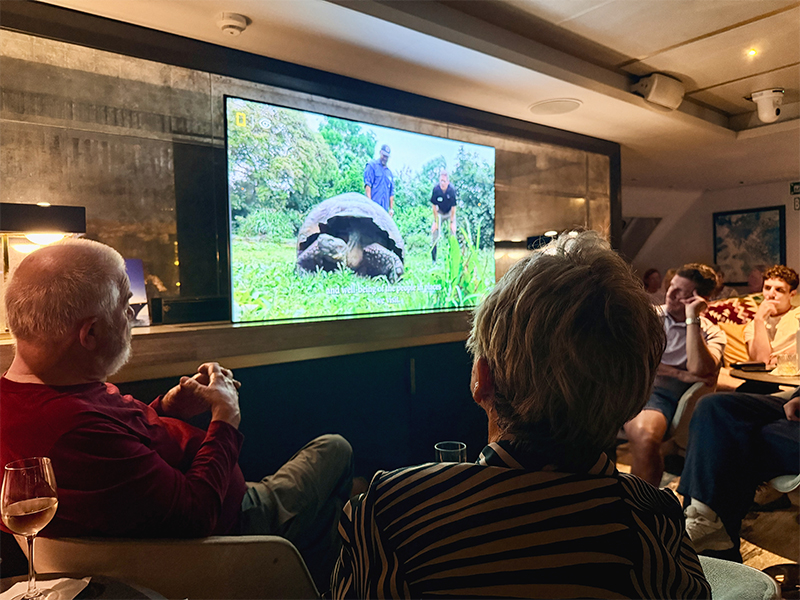
Naturalists accompanied the exploration and shared their knowledge throughout the journey, both out in the islands and back aboard the ship. The programme also included presentations covering subjects such as Galápagos geology and oceanography, human history and Darwin, alongside briefings and recaps that put the following day’s exploration into context.
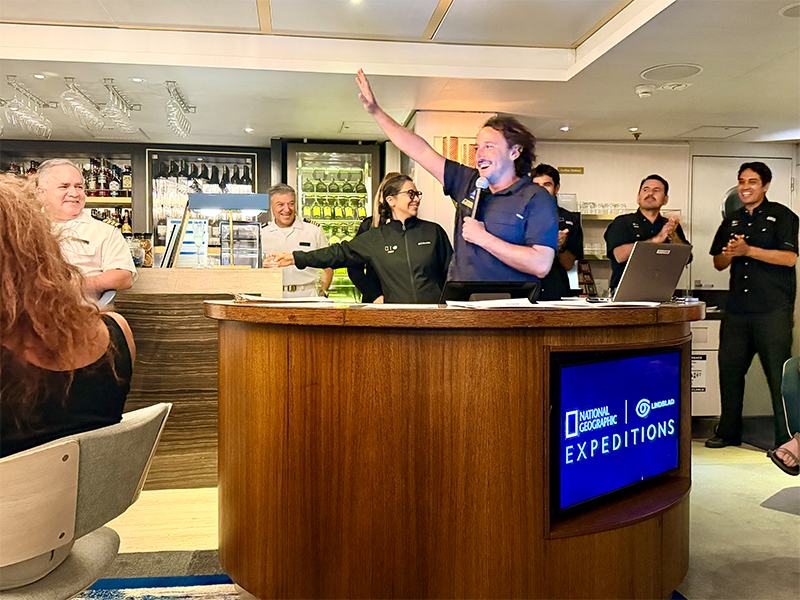
But it wasn’t simply the depth of knowledge that I and all my fellow guests appreciated. It was how that knowledge was shared.
I loved the humorous way in which the guides helped us understand the wild nature around us, and the excellent service onboard Islander II.
It’s an important distinction. You don’t need to arrive knowing your flightless cormorant from your frigatebird. A good expedition team gives you the context as you go, without making the experience feel like a travelling lecture.
You start noticing more because you understand more.
A particularly good place to bring a camera
As a photographer myself, I also found National Geographic Lindblad Expeditions approach particularly useful.
Alongside the naturalists, the expedition included a certified photo instructor, with opportunities for photography-focused walks and advice on everything from cameras to smartphone photography.
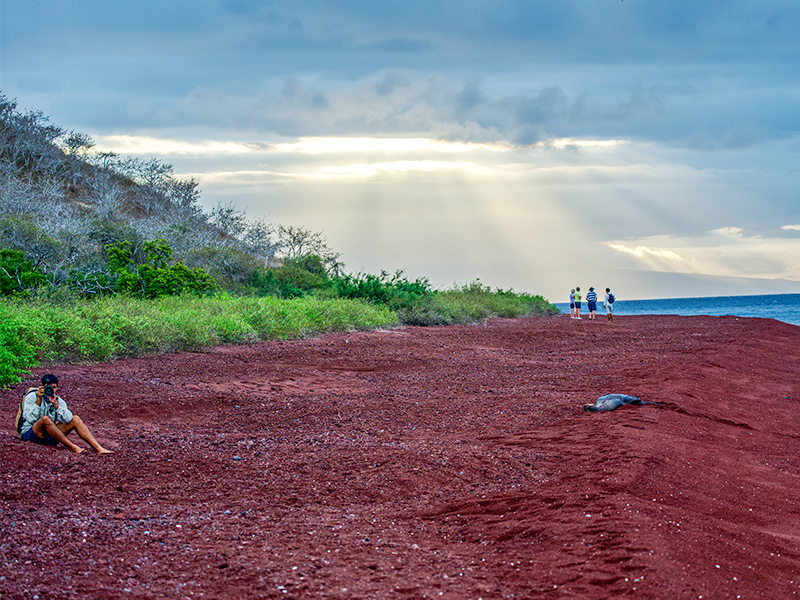
Of course, the Galápagos does quite a lot of the hard work for you.
Wildlife, volcanic landscapes, changing light and the sheer proximity of your subjects mean there always seems to be something worth photographing. But having someone there to help you make the most of those opportunities is a welcome addition.
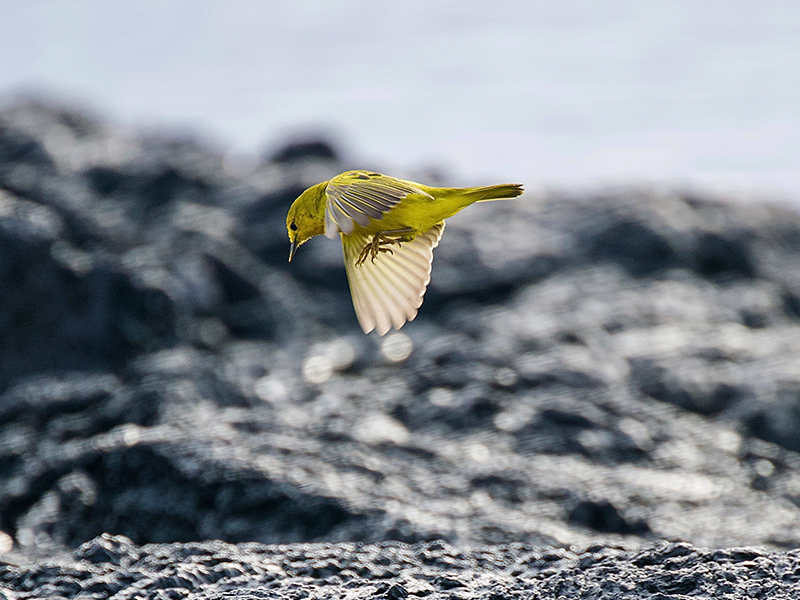
Crossing the Equator
There was another memorable moment before we even stepped ashore:
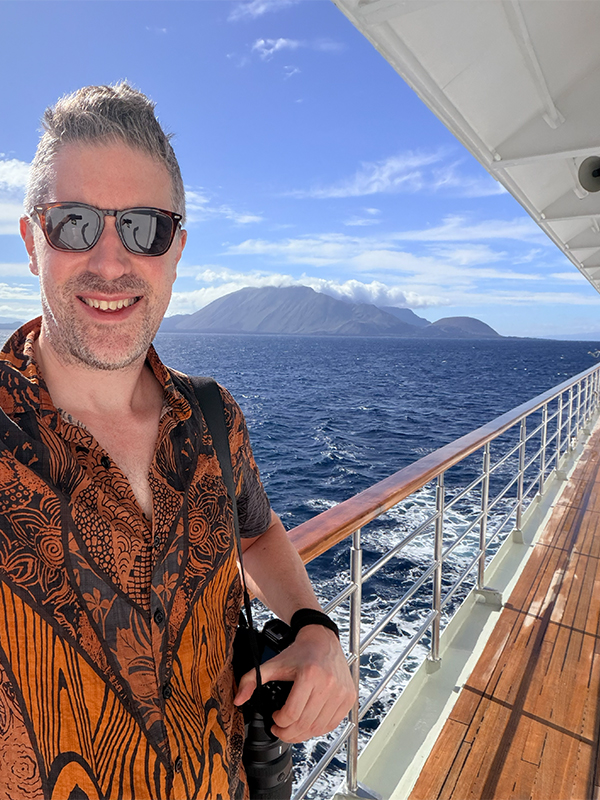
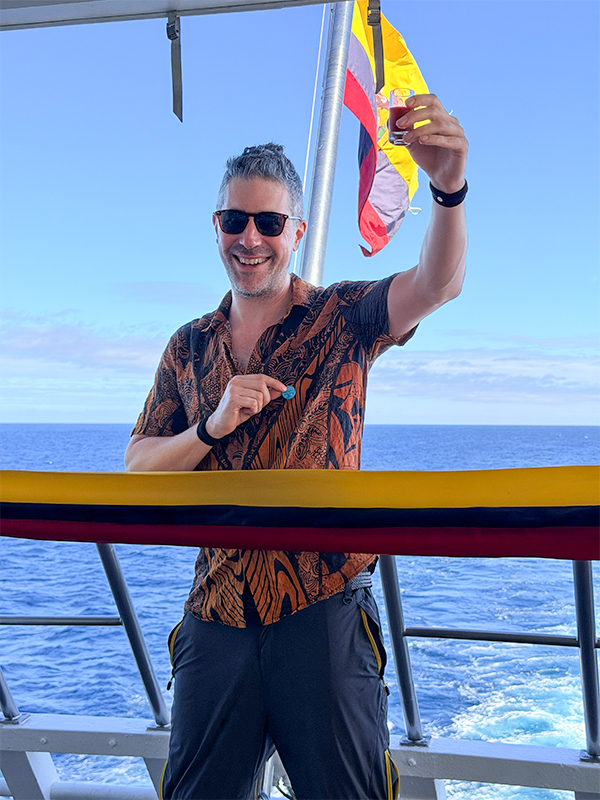
Crossing the Equator aboard Islander II.
As the ship sailed west towards Isabela, guests gathered on the observation deck for an Equator Crossing Ceremony before continuing along the coast of Ecuador Volcano – itself bisected by the Equator.
It’s one of those moments that reminds you just how far you’re travelling. And as Islander II moved into the western reaches of the archipelago, the surroundings changed too. Here, colder, nutrient-rich waters support an especially rich marine ecosystem, bringing new opportunities to look for Galápagos penguins, flightless cormorants, sea turtles and marine iguanas.
For me, it was another example of how the journey between the islands could be just as much a part of the experience as arriving at them.
Exploration with a purpose
Another aspect that becomes apparent when travelling through the Galápagos is just how carefully the islands are protected.
Visitors follow strict National Park rules, with wildlife and plants given right of way and procedures in place to minimise the impact of going ashore.
The expedition also brought some of the islands’ conservation stories into the experience. Santiago, for example, has undergone major ecological restoration following the eradication of introduced goats and pigs, while Rábida has also been the focus of work to remove introduced species and restore its ecosystem.
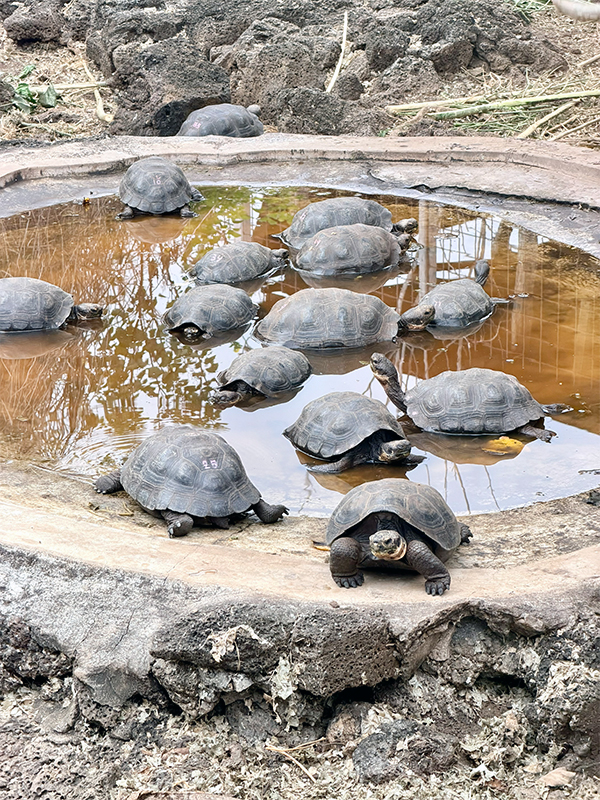
The Charles Darwin Foundation, operating through the Fausto Llerena Breeding Center at the Charles Darwin Research Station on Santa Cruz Island, runs one of the world’s most successful captive-breeding and rearing programs for endangered Galapagos giant tortoises.
Rather than sitting separately from the journey, conservation becomes part of understanding the place you’re exploring.
What is Islander II like?
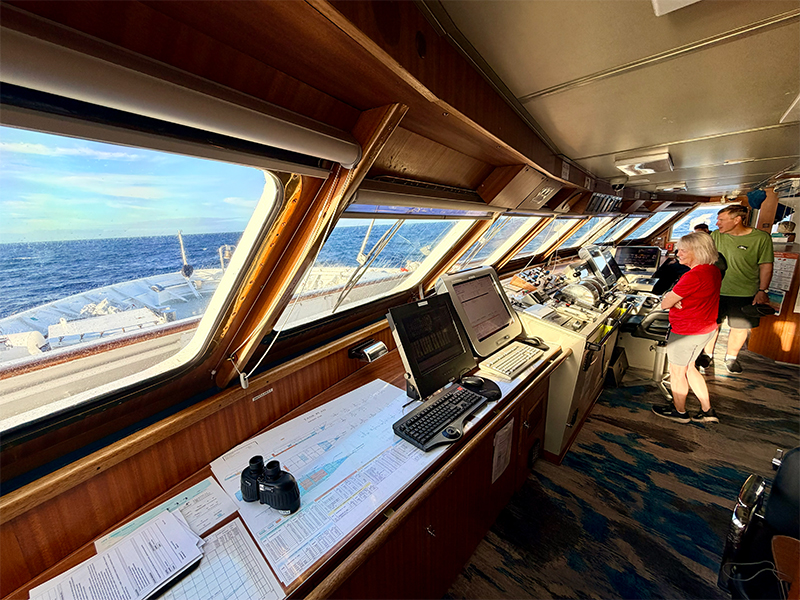
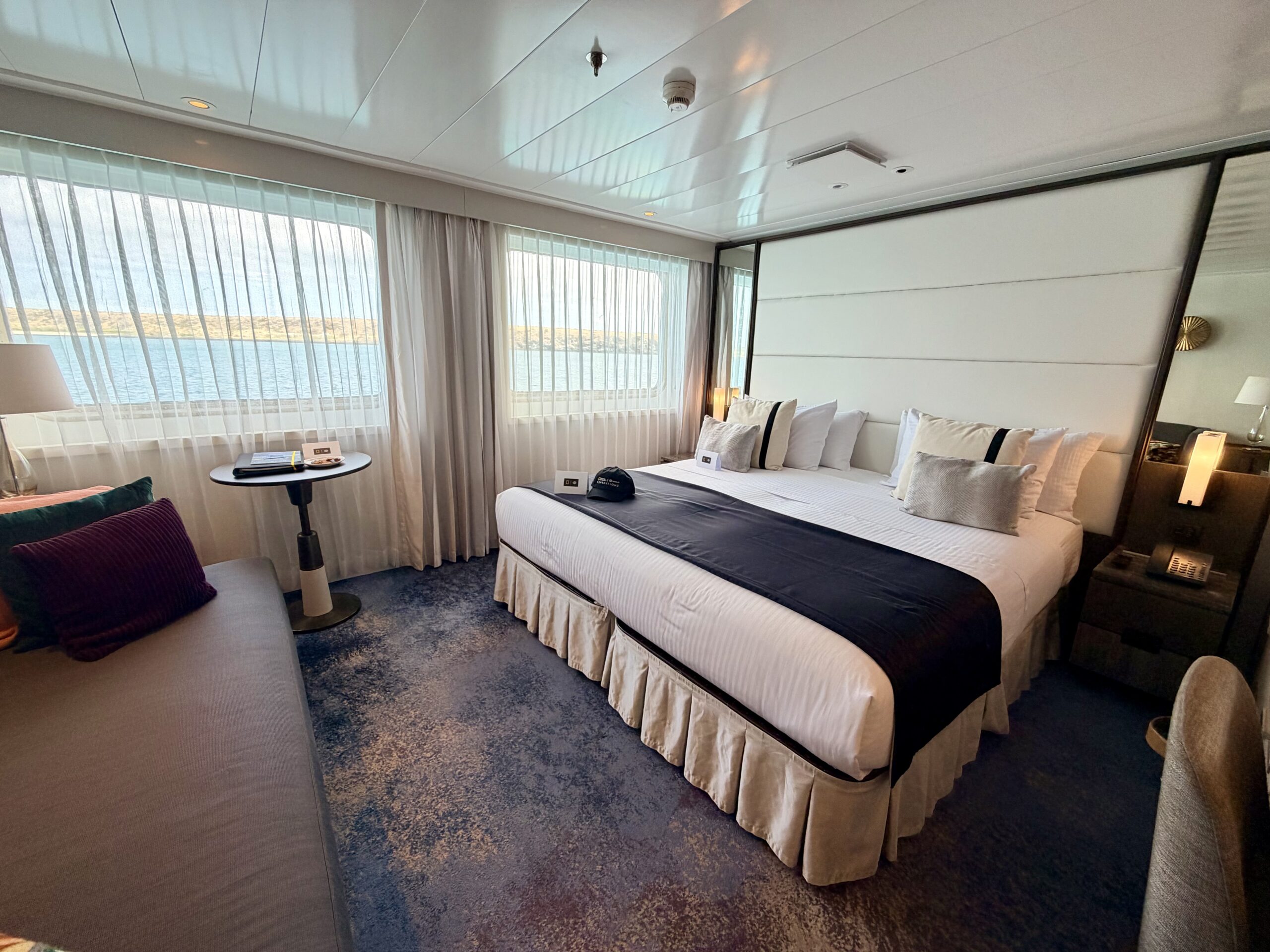
After days spent hiking, snorkelling, kayaking and heading out by Zodiac, Islander II provides a very comfortable base to return to.
I was particularly impressed by the service on board, but perhaps the ship’s most important role was allowing the islands themselves to remain at the centre of the experience.
That’s the balance an expedition ship needs to get right in the Galápagos. You want somewhere comfortable to eat, relax and talk about what you’ve just seen – before waking up somewhere entirely different and heading out again.
A window beneath the water
Not every wildlife encounter required hiking boots – or even getting wet.
At Buccaneer Cove on Santiago, we had the opportunity to head out in one of National Geographic Lindbla Expeditions glass-bottom Zodiacs, offering a window into the marine world below while exploring from the surface.
It’s a thoughtful addition to the expedition programme, particularly for anyone who doesn’t want to snorkel. While other guests could take to the water or explore the coastline by kayak, the glass-bottom Zodiac offered another way to discover what lies beneath these wildlife-rich waters.
That choice of activities was something I appreciated throughout the journey. You could be walking across volcanic landscapes one day, heading out by Zodiac the next, then kayaking, snorkelling or viewing life below the surface through the glass-bottom boat – each giving you a different perspective on the Galápagos.
Lewis’s verdict
You’re not simply sailing past the islands or stepping ashore for a quick look around. You’re out among them – walking, watching, snorkelling, photographing and learning from people who understand what makes this environment so unusual.
And after a few days, you begin to realise that ‘seeing the Galápagos’ doesn’t quite describe it.
You’re experiencing it.
Explore the Galápagos with Cruise Routes
If his experience has inspired you, our Cruise Consultants can help you explore National Geographic-Lindblad Expeditions’ Galápagos voyages, choose your ship and itinerary, and plan the details of an adventure that is right for you.
Whether you’re drawn by the wildlife, photography, volcanic landscapes or simply the prospect of experiencing somewhere that operates according to nature’s rhythm, our Cruise Consultants can help you compare the options and find the Galápagos journey that suits the way you want to explore.
Explore our Galápagos cruises, including this voyage with Lindblad Expeditions or speak to a Cruise Consultant about planning your own journey.
Why book with Cruise Routes?
At Cruise Routes, we believe cruising is designed for exploration.
The opportunity for real discovery is the golden thread connecting every journey we recommend. From extraordinary wildlife and spectacular landscapes to meaningful encounters with the places you visit, our carefully selected expedition cruises are chosen to help you experience destinations more deeply – not simply pass through them.
If you’re considering Galapagos as your first expedition cruise our Cruise Consultants are here to help you find the right voyage for you.
Speak to a Cruise Consultant about your Galapagos cruise on 0203 924 8888 or enquire here.