Fiords, wildlife, Māori culture and islands few travellers ever reach – discover why exploring New Zealand by small ship reveals a very different side of Aotearoa.
There are plenty of ways to enjoy New Zealand small ship cruises. But when a country has more than 15,000 kilometres of coastline, some of its most interesting places are inevitably found at the water’s edge – or beyond it.
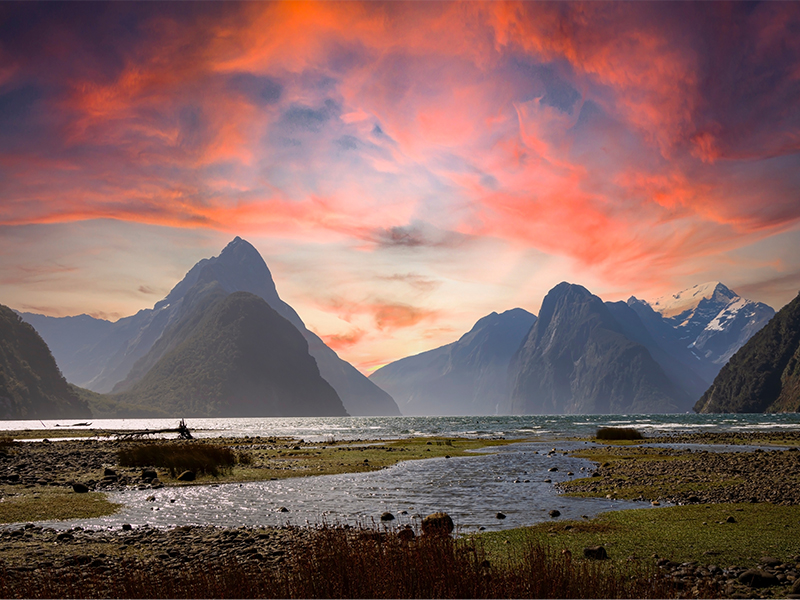
Travelling by smaller ship gives you a different perspective. You can sail deep into Fiordland, where forest-covered mountains rise sharply from dark water; explore remote islands where wildlife vastly outnumbers people; and arrive in coastal communities with time to discover something of the culture, history and character behind the scenery.
And then there are the places that roads simply don’t reach.
From the remote Subantarctic Islands to the sheltered waterways of the Marlborough Sounds, exploring New Zealand by sea isn’t simply a convenient way of getting from one place to another. For the curious traveller, the voyage itself becomes part of understanding the country.
A coastline made for exploration
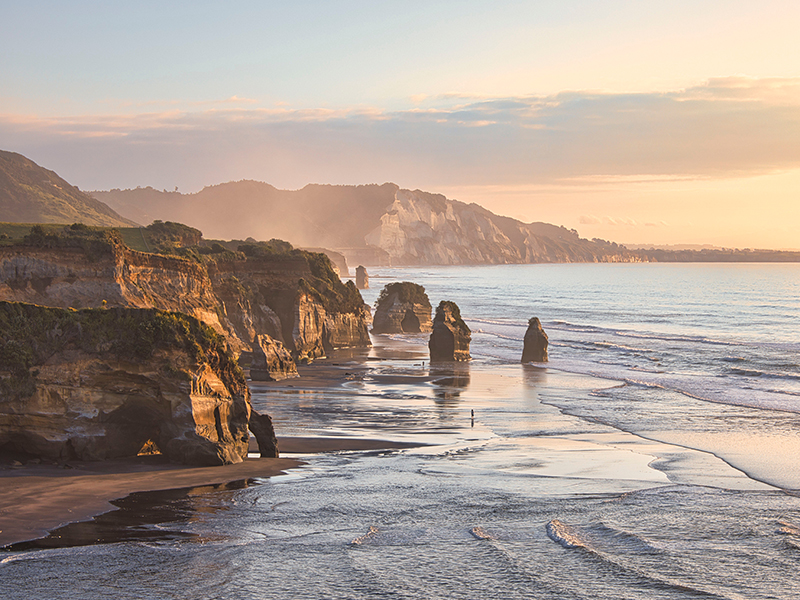
New Zealand may look relatively compact on a map, but its landscapes change remarkably quickly.
In the south, Fiordland is a world of sheer rock faces, rainforest and waterfalls, with Milford, Doubtful and Dusky Sounds cutting deep into the South Island. Further around the coast, Stewart Island and neighbouring Ulva Island offer quiet forests and prolific birdlife, while Kaikōura brings mountains and ocean together in one of the country’s notable wildlife regions.
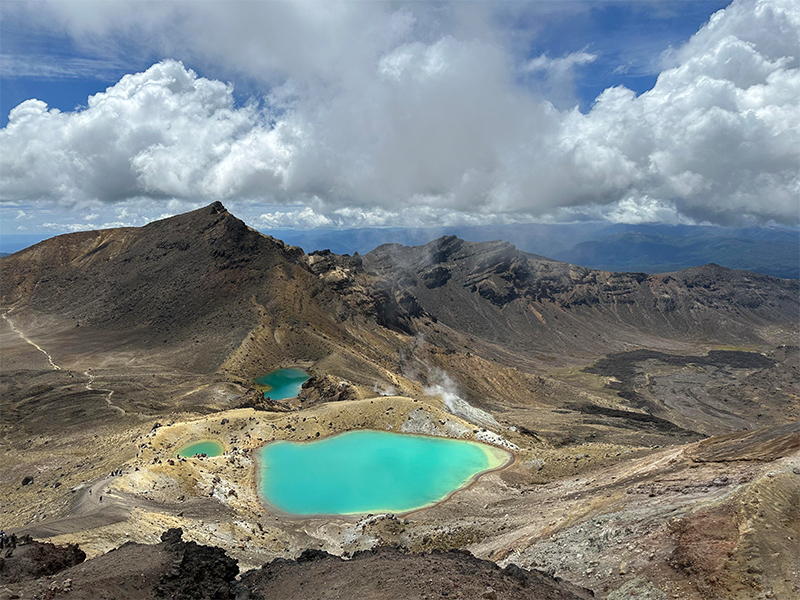
Head north and the character changes again. The Marlborough Sounds form a maze of forested peninsulas, islands and sheltered waterways. There are cities, vineyards and Māori cultural experiences to discover along the way, too.
The advantage of exploring by ship is that you don’t have to choose between them quite so quickly. Wake to a different landscape, step ashore to explore, then continue along the coast while you sleep.
For those who want to go further still, New Zealand has another side altogether.
Hundreds of kilometres south of the mainland sit the country’s Subantarctic Islands – isolated, wildlife-rich outposts in the Southern Ocean where expedition cruising comes very much into its own.
So, which New Zealand voyage is right for you? These four take rather different approaches.
Wildlife, walking and getting out on the water
The scenery may get much of the attention, but some of the most memorable days in New Zealand are spent getting off the ship and properly into it.
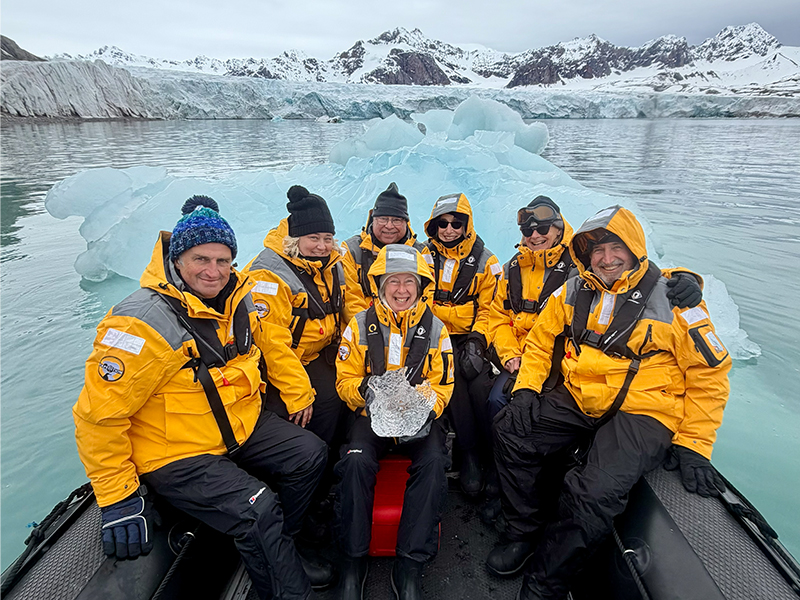
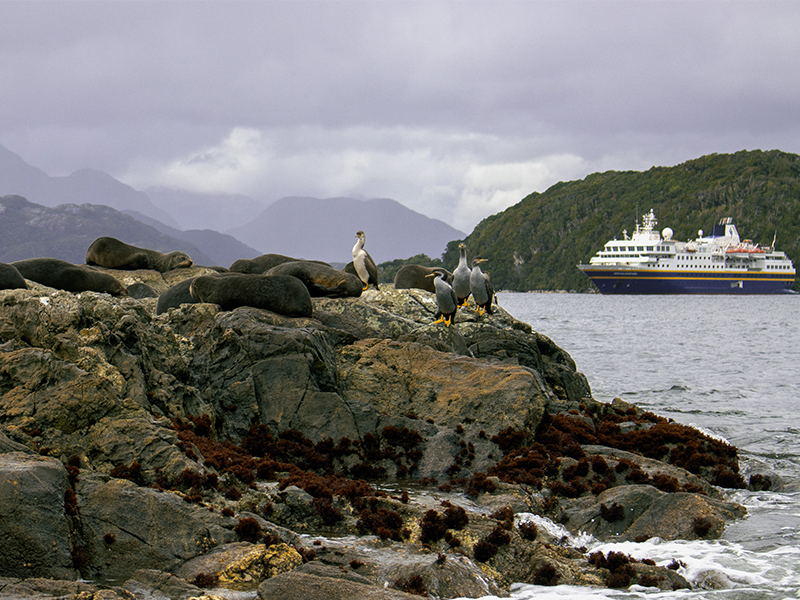
On expedition-led voyages, that can mean heading out by Zodiac into quiet fiords and around remote islands, or stepping ashore for guided walks through forests alive with native birds. On Ulva Island, for example, its predator-free environment has created an important sanctuary for species including kākā, tūī and South Island saddleback.
On expedition-led voyages, that can mean heading out by Zodiac into quiet fiords and around remote islands, or stepping ashore for guided walks through forests alive with native birds. On Ulva Island, for example, its predator-free environment has created an important sanctuary for species including kākā, tūī and South Island saddleback.
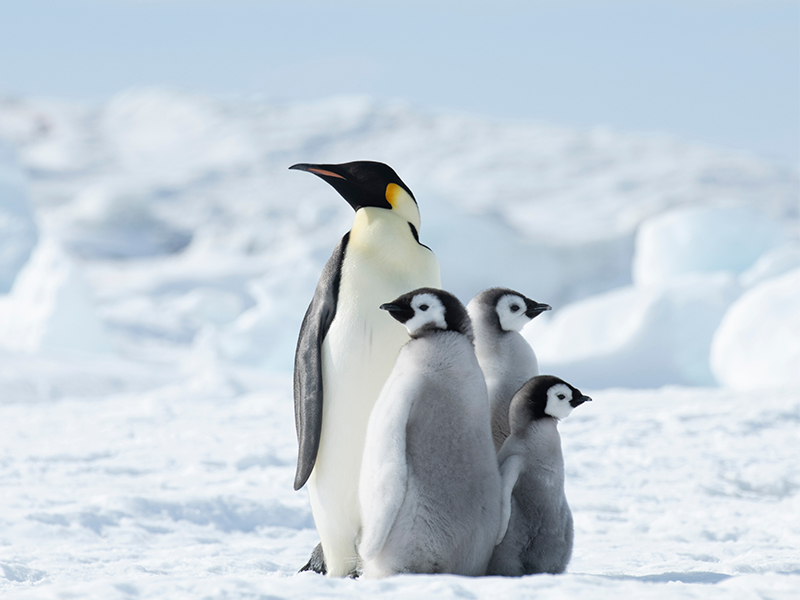
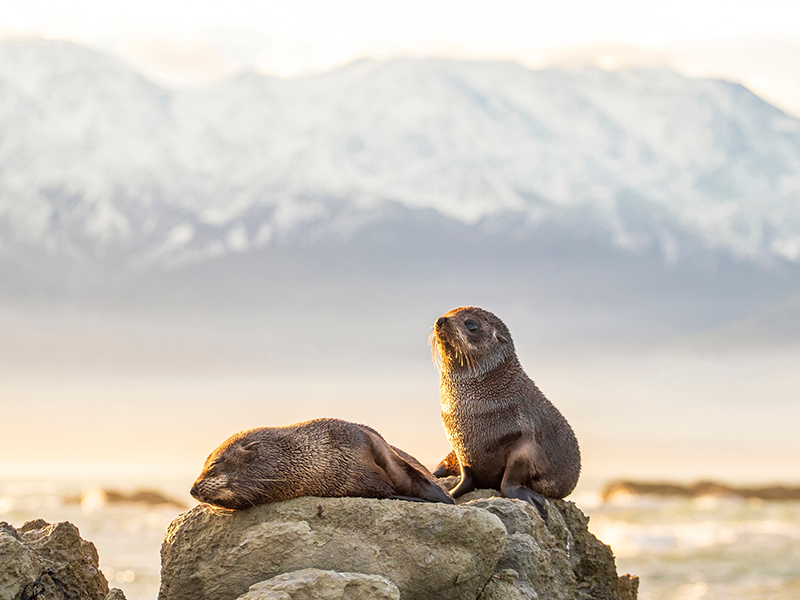
Further south, the Subantarctic Islands take wildlife encounters to another level. The Snares, Auckland Islands and Campbell Island provide breeding grounds for vast numbers of seabirds, alongside penguins and sea lions. Campbell Island is also known for its extraordinary megaherbs – oversized flowering plants that bring unexpected colour to an otherwise wild Southern Ocean landscape.
Back around the mainland, the waters off Kaikōura are particularly rich in marine life, with opportunities to look for whales, dolphins, seals and seabirds. Fiordland brings a different experience altogether: Zodiac cruises beneath steep-sided mountains, waterfalls appearing after the rain and long stretches where the landscape feels almost impossibly quiet.
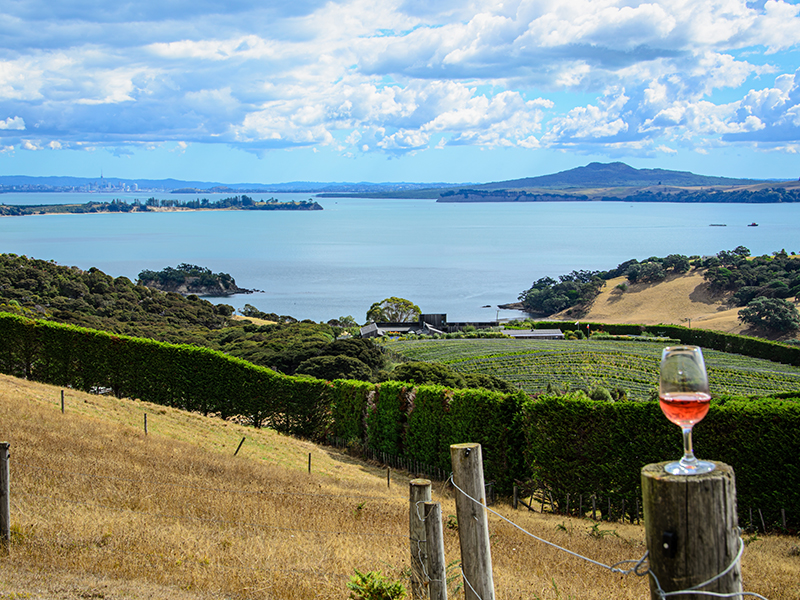
Not every day needs hiking boots and a Zodiac, either. Depending on the voyage, you might spend time discovering Māori culture, exploring historic towns, visiting vineyards or simply standing out on deck as the ship makes its way through the sounds.
As always with wildlife, there are no guarantees. But travelling on a smaller ship, with knowledgeable guides and the flexibility to explore, puts you in some very good places to see what turns up.
So, which New Zealand voyage is right for you? These four take rather different approaches.
For the grand tour: New Zealand – Great Contrasts at the End of the World
For the grand tour: New Zealand – Great Contrasts at the End of the World
For travellers who want to see New Zealand’s remarkable variety in one journey, Hapag-Lloyd’s New Zealand: Great Contrasts at the End of the World makes a compelling case.
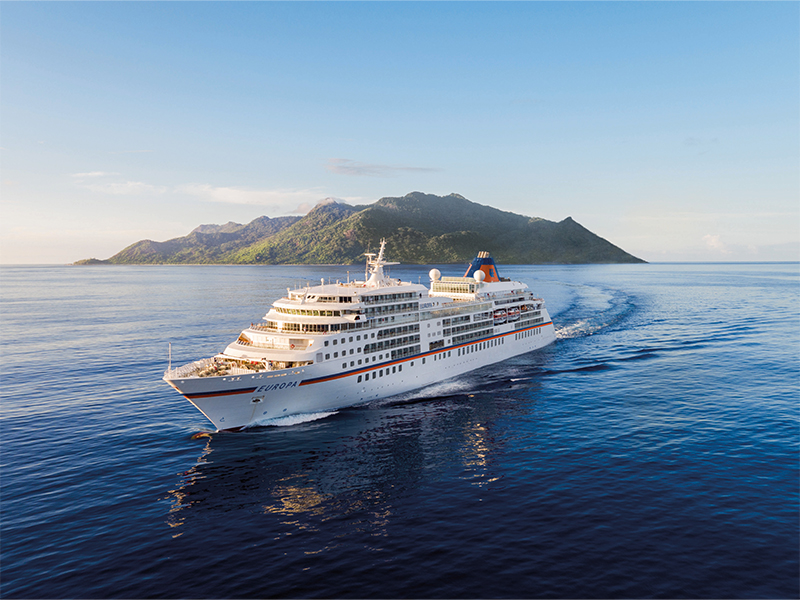
Sailing aboard HANSEATIC spirit, the itinerary begins in Lyttelton and travels through both the South and North Islands before finishing in Auckland.
There’s plenty of wilderness along the way. Stewart Island brings dense forests, quiet bays and opportunities for walking, before HANSEATIC spirit enters Fiordland National Park. Here, the smaller expedition ship can spend time among the steep-sided waterways and rainforest-covered slopes, including Milford Sound.
The voyage then changes character as it heads north. There’s the art scene of New Plymouth, the waterways of Queen Charlotte Sound, wildlife around Kaikōura and the Art Deco architecture and wine country of Napier. Further north come Tauranga, Great Barrier Island, Whangārei and the Bay of Islands.
It’s this contrast that makes the journey interesting. Wild landscapes one day, cities and culture the next – a broader picture of New Zealand rather than a procession of scenic viewpoints.
Best for: Travellers looking for a comprehensive New Zealand exploration with a strong mix of landscapes, wildlife and culture.
Explore New Zealand: Great Contrasts at the End of the World
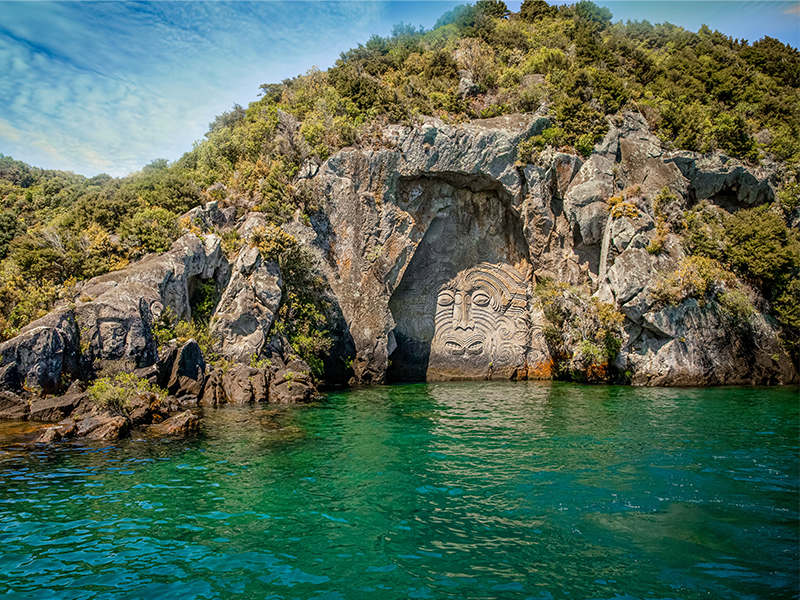
Taupo, north island
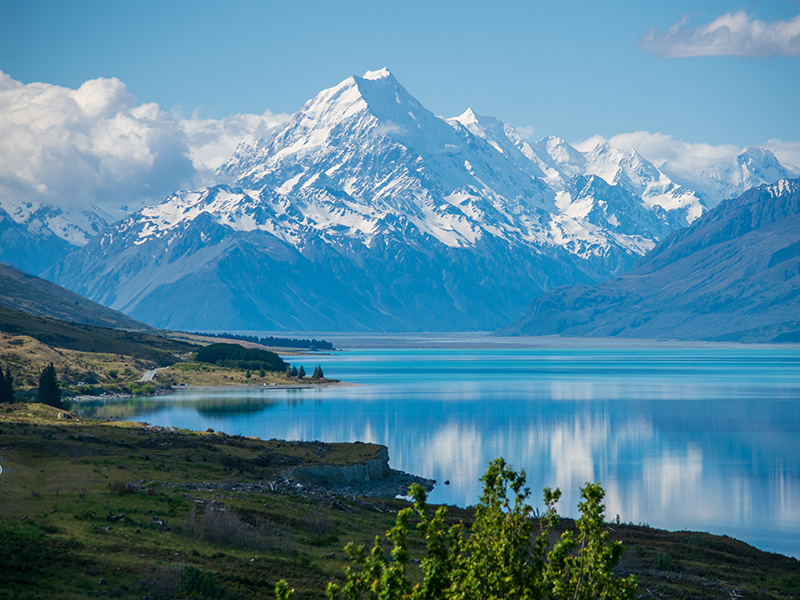
For going properly remote: Expedition to New Zealand’s Subantarctic Islands
If your idea of exploration involves leaving the familiar well behind, PONANT’s Expedition to New Zealand’s Subantarctic Islands heads in quite the opposite direction.
Aboard Le Soléal, the voyage travels south from New Zealand towards some of its most isolated island groups.
The Snares are completely uninhabited and form part of New Zealand’s UNESCO-listed Subantarctic Islands. Further south, the Auckland Islands are home to a remarkable concentration of flora and wildlife, with Zodiac exploration around places such as Musgrave Inlet bringing you closer to this rarely visited environment.
Then there’s Campbell Island, where oversized wildflowers known as megaherbs grow alongside species including Campbell Island teal and snipe. Guided walks and Zodiac exploration offer the chance to experience an ecosystem shaped by isolation and the Southern Ocean.
This is a very different New Zealand from the one most visitors encounter. There are no famous cities to tick off and little interest in conventional sightseeing. The reason to come is precisely because these islands are difficult to reach.
Best for: Wildlife enthusiasts, experienced expedition cruisers and anyone whose favourite part of a map is the bit where the roads disappear.
Explore the Expedition to New Zealand’s Subantarctic Islands
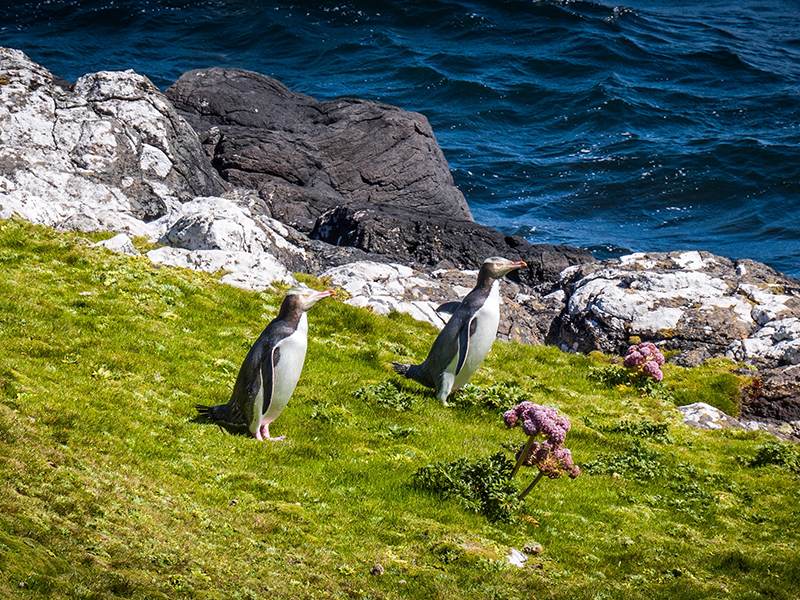
For a true expedition around Aotearoa: New Zealand Coastal Odyssey
Heritage Expeditions’ New Zealand Coastal Odyssey takes the expedition style of travel and applies it to New Zealand’s three main islands.
Beginning in Auckland aboard Heritage Adventurer, the journey combines some familiar names with places that receive far fewer visitors.
There’s time to experience the North Island before travelling south through Wellington and the Marlborough Sounds. On Stewart Island, the voyage also explores nearby predator-free Ulva Island, where the forest provides habitat for an impressive variety of native birdlife.
Then comes Fiordland.
Rather than simply passing through, the itinerary allows two days for exploring this remote southwestern corner of the country. Depending on conditions, plans can include Milford Sound, Doubtful Sound, Dusky Sound and lesser-known waterways – with the captain and expedition leader able to adapt the programme to the weather.
That flexibility is part of expedition travel. You have a plan, certainly. But nature occasionally has a better one.
Best for: Active, curious travellers who want an expedition-style experience without limiting their journey to New Zealand’s most remote regions.
Explore the New Zealand Coastal Odyssey
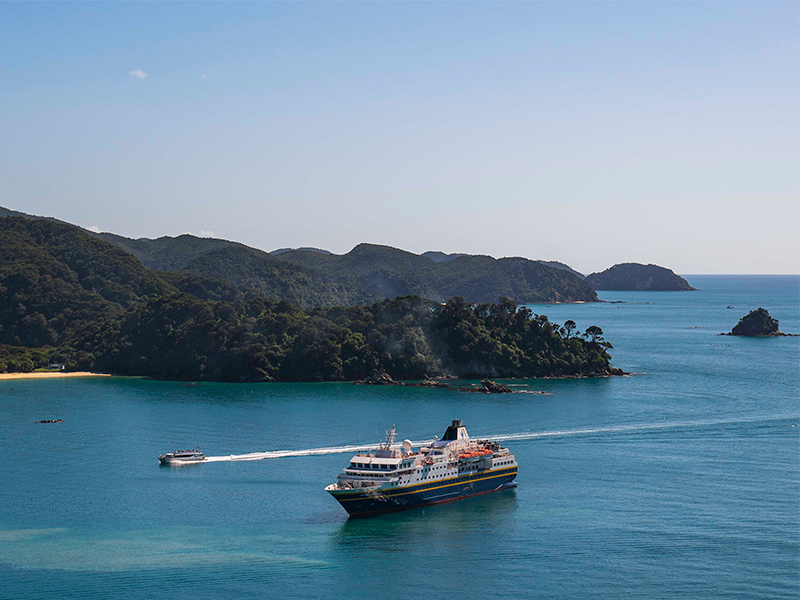
For smaller-ship comfort: New Zealand in Depth
There’s more than one way to explore deeply. You don’t necessarily need Zodiacs and expedition landings every day.
Swan Hellenic’s New Zealand in Depth, aboard the 158-guest SH Minerva, combines the scale and atmosphere of a smaller ship with a journey through many of New Zealand’s defining coastal landscapes.
Beginning in Dunedin, the itinerary heads towards Fiordland, cruising Doubtful, Dusky and Milford Sounds. This is a landscape that works particularly well from the water: glacier-carved inlets, steep granite peaks, rainforest and waterfalls unfolding around the ship rather than appearing briefly through a coach window.
From there, the voyage continues through places including Akaroa, Kaikōura and Picton, before travelling further north.
SH Minerva itself is designed with extensive views throughout the ship, so the landscape remains part of the experience even when you’re not ashore. With just 158 guests, it offers an appealing middle ground for travellers who want to explore New Zealand on a smaller ship while placing a little more emphasis on comfort aboard.
Best for: Travellers who like the intimacy and access of a smaller ship, paired with a refined onboard experience.
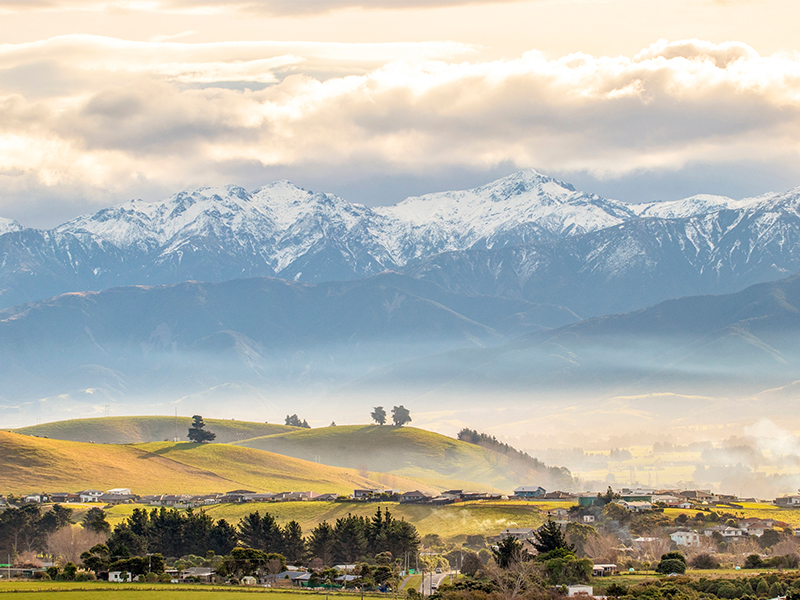
So, when is the best time to cruise New Zealand?
New Zealand’s main cruise season falls during the Southern Hemisphere’s warmer months, when longer days give you more time to explore.
But this is New Zealand, and the weather deserves some respect.
Fiordland receives plenty of rain – which is precisely why its forests are so green and its waterfalls so dramatic. Conditions in the Subantarctic can change quickly, too, and expedition itineraries are always subject to weather and sea conditions.
Rather than seeing that unpredictability as a drawback, it helps to arrive with an open mind. Captains and expedition teams adapt to the conditions in front of them, and sometimes a change of plan leads to the most interesting day of the voyage.
Which New Zealand cruise should you choose?
That depends on the New Zealand you want to discover.
If this is your first visit and you want to experience the breadth of the country, a longer coastal voyage taking in both islands makes sense. If wildlife and remote landscapes are what brought New Zealand onto your radar in the first place, the Subantarctic Islands take exploration considerably further.
And if Fiordland is high on your list, look beyond whether an itinerary simply visits Milford Sound. Consider how much time it spends exploring the wider region and whether the size of the ship allows it to venture into quieter waterways.
That’s where choosing the right voyage – and the right ship – makes all the difference.
See New Zealand differently
Perhaps the greatest argument for exploring New Zealand by sea is that the coastline isn’t something you travel around to reach the next attraction. It is the attraction.
You see mountains from sea level rather than a viewpoint. You follow waterways through landscapes that have shaped Māori stories and generations of coastal life. You wake beside islands you might never have thought to visit. And, on the right voyage, you reach parts of New Zealand that relatively few travellers ever see.
New Zealand rewards curiosity. Give it the time – and the right ship – and there’s a great deal more to discover.
Our Cruise Consultants can help you compare ships, routes and expedition styles to find the New Zealand journey that suits the way you like to travel.
Why book with Cruise Routes?
At Cruise Routes, we believe cruising is designed for exploration.
The opportunity for real discovery is the golden thread connecting every journey we recommend. From extraordinary wildlife and spectacular landscapes to meaningful encounters with the places you visit, our carefully selected expedition cruises are chosen to help you experience destinations more deeply – not simply pass through them.
Whether you’re considering New Zealand as your first expedition cruise or planning a journey elsewhere in Oceania, our Cruise Consultants are here to help you find the right voyage for you.
Speak to a Cruise Consultant about your New Zealand cruise on 0203 924 8888 or enquire here.