Vast ice landscapes, penguin colonies and historic expedition huts make the Ross Sea one of Antarctica’s most compelling regions.
Far from the Antarctic Peninsula routes followed by many expedition cruises, this remote corner of the continent offers a different perspective on the south. Its appeal lies in the combination of marine wildlife, extraordinary geology and places closely connected with the history of Antarctic exploration.
For travellers considering an Antarctic expedition beyond the Peninsula, here’s what makes the Ross Sea so remarkable.
A remarkable marine environment
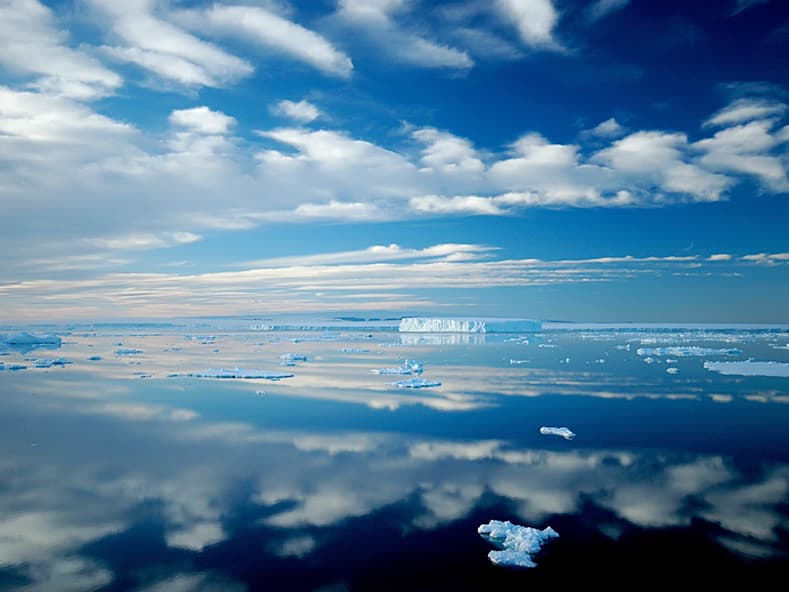
The Ross Sea is among the world’s least disturbed marine environments, supporting a rich variety of species.
Its importance is recognised through the Ross Sea region Marine Protected Area, which covers approximately 1.55 million square kilometres and came into force in December 2017.
The protected area helps conserve marine habitats, biodiversity and the relationships between predators and prey. It also supports scientific research into this important Southern Ocean ecosystem.
Wildlife of the Ross Sea
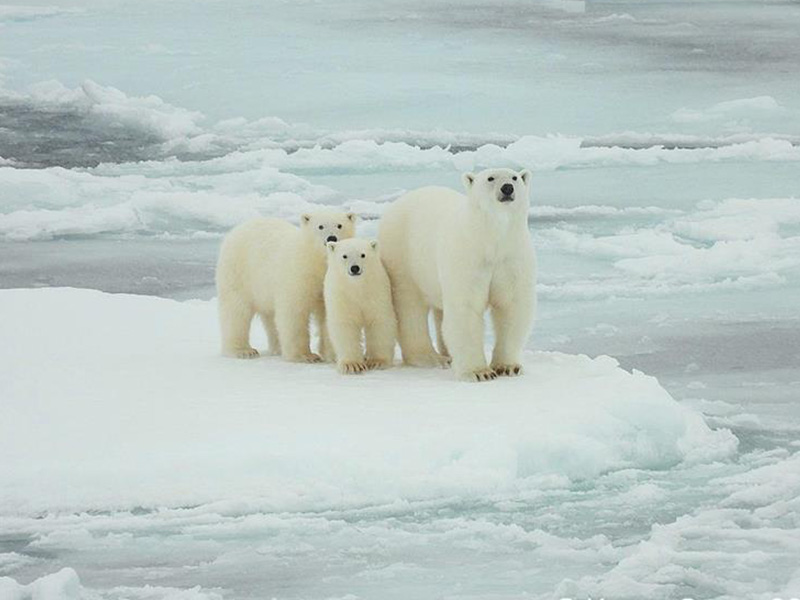
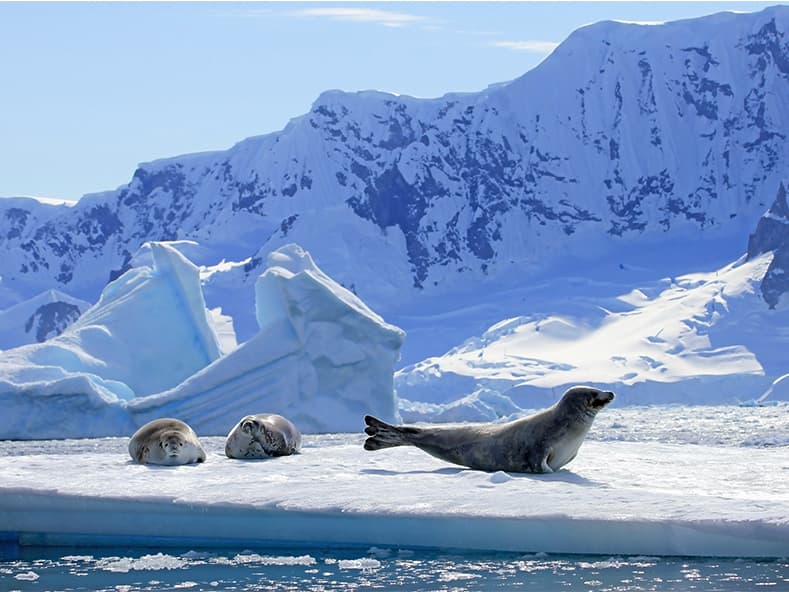
Penguins, seals and whales are central to the Ross Sea’s appeal.
Adélie penguins breed in the region, with Cape Adare home to an extraordinary colony. Emperor penguins also inhabit the wider region, although seeing them depends on your route, timing and conditions.
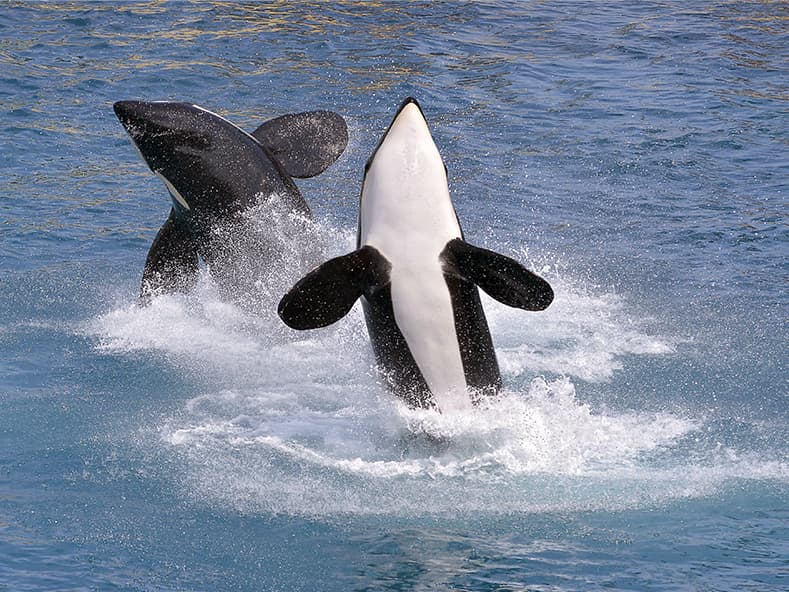
Around McMurdo Sound, Weddell seals are another species to look out for. The wider marine ecosystem supports whales, including orcas, alongside fish and invertebrates beneath the surface.
An expedition here is an opportunity to understand how these species depend on the sea and ice. Sightings remain unpredictable, and no particular encounter should be assumed.
The Ross Ice Shelf
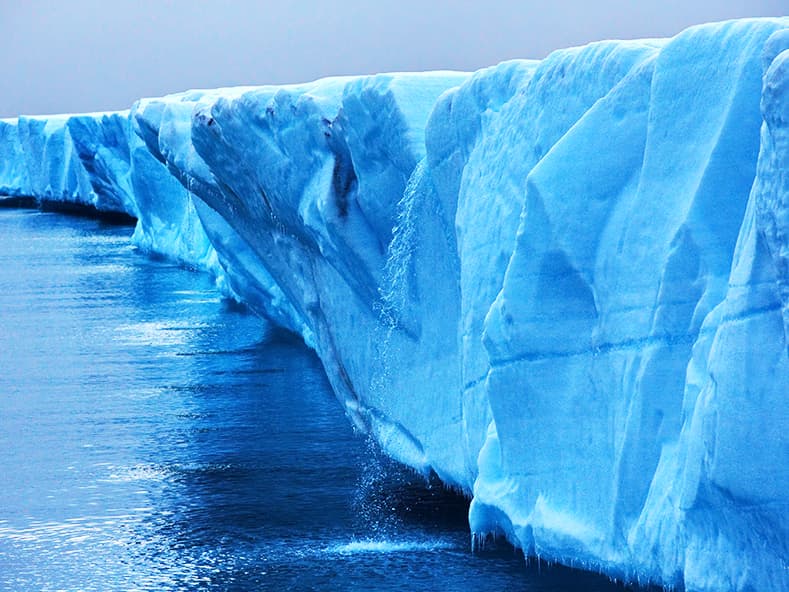
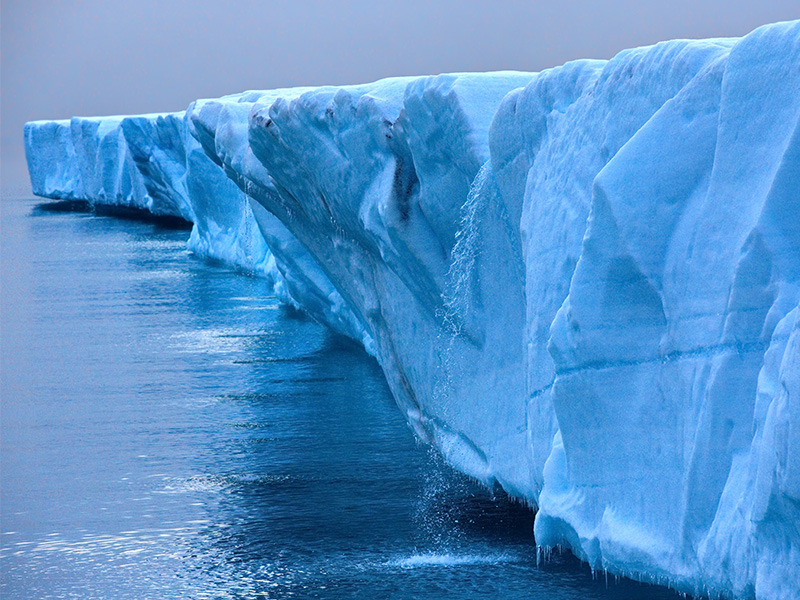
The Ross Ice Shelf is the largest ice shelf on Earth, covering roughly half a million square kilometres.
An ice shelf is a floating extension of land ice. At its seaward edge, the Ross Ice Shelf forms an immense barrier between the ocean and the ice stretching farther inland.
Its scale is difficult to appreciate in photographs. For expeditions able to approach it, the experience offers a powerful sense of Antarctica’s size.
Whether a voyage reaches the ice shelf, and how closely it can approach, depends on the itinerary and conditions.
The McMurdo Dry Valleys
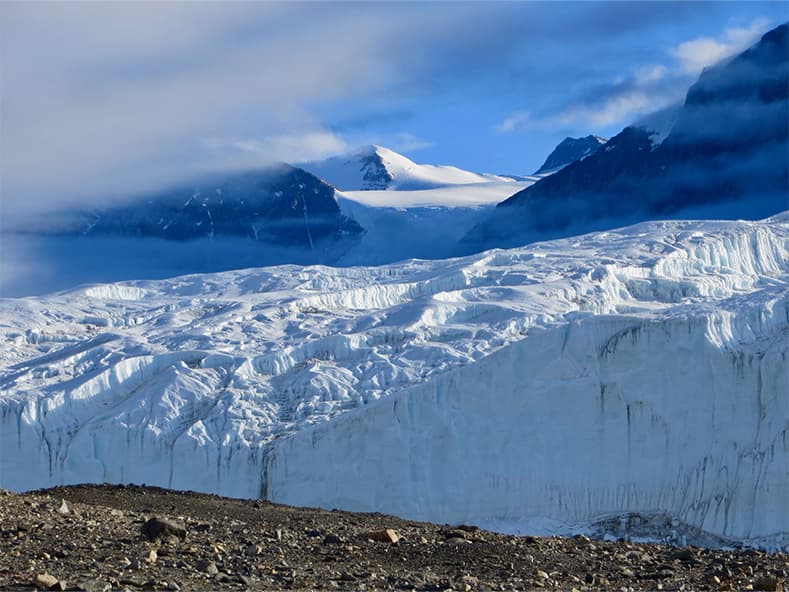
Antarctica is often imagined as an uninterrupted expanse of snow. The McMurdo Dry Valleys reveal a strikingly different landscape.
Here, exposed ground, glaciers and ice-covered lakes sit between the Ross Sea and the East Antarctic Ice Sheet. Dry air descending from the ice sheet helps sweep snow from the valleys, contributing to their unusual appearance.
The contrast is part of their fascination: a landscape that challenges expectations of what Antarctica looks like.
The Dry Valleys should be treated as a specialist itinerary feature. Some expeditions have accessed them by helicopter, but a Ross Sea voyage does not automatically include a visit. Check the exact arrangements if this is a priority for you.
Mount Erebus
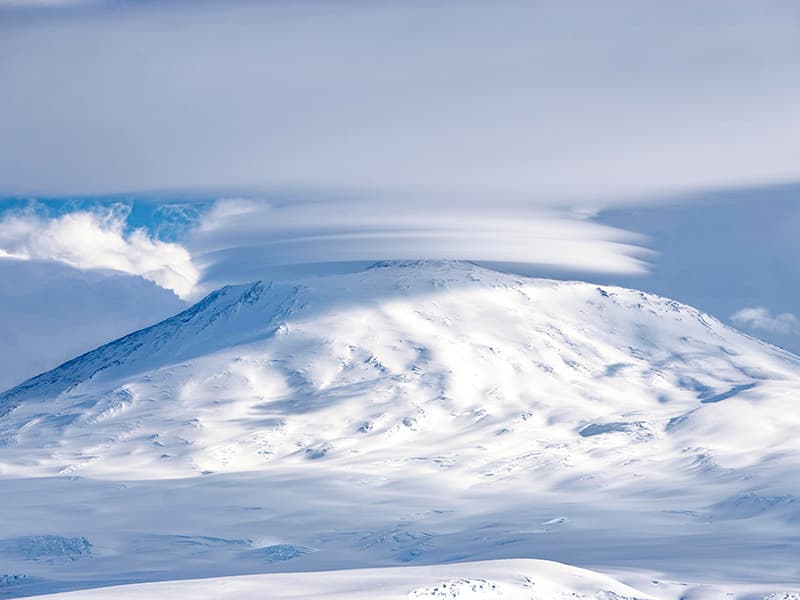
Rising on Ross Island, Mount Erebus is the world’s southernmost active volcano. It is known for the lava lake within its summit crater.
For expedition travellers, its significance is usually as a feature of the surrounding landscape, rather than an opportunity to observe volcanic activity close up.
When visibility allows, views towards Erebus add another dimension to the region: evidence of the geological forces beneath Antarctica’s ice-covered surface.
Historic huts and exploration stories
The Ross Sea region preserves some of the most significant buildings in Antarctic exploration history.
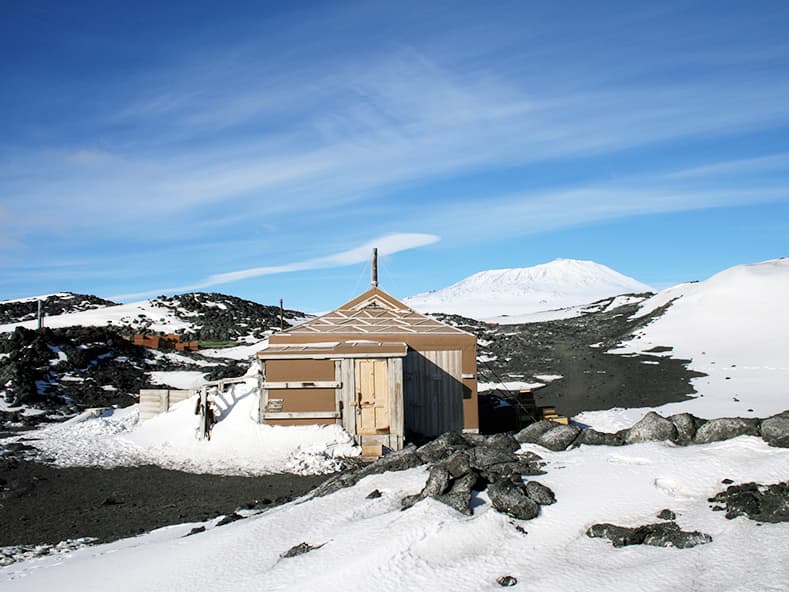
On Ross Island, Shackleton’s hut at Cape Royds is associated with the Nimrod expedition of 1907–1909. Scott’s hut at Cape Evans served the Terra Nova expedition of 1910–1913, while the earlier Discovery Hut stands at Hut Point.
Cape Adare is home to the huts associated with Borchgrevink’s Southern Cross expedition of 1898–1900.
These buildings have survived through substantial conservation work. Where visits are permitted, they provide a tangible connection with the daily lives, ambitions and challenges of the people who used them.
Access is carefully managed. Visits depend on permissions, local conditions and the expedition’s ability to reach each site.
Planning a Ross Sea expedition
Choose a Ross Sea journey for the experience as a whole, while identifying any particular interests early in your planning.
You might be drawn to penguin colonies, exploration history, the Ross Ice Shelf or the possibility of visiting the Dry Valleys. Different itineraries offer different opportunities, so compare the route, expedition facilities and intended landing sites carefully.
Flexibility is essential. Weather and sea ice shape what is possible, and even a carefully planned expedition may need to change course.
Curious about Antarctica beyond the Peninsula? Our Cruise Consultants can help you compare Ross Sea journeys and find an expedition that suits your interests and sense of adventure..