What happens behind the scenes on an Antarctic expedition? From preparing landing sites to sharing unexpected wildlife encounters, an expedition guide’s day involves much more than taking guests ashore.
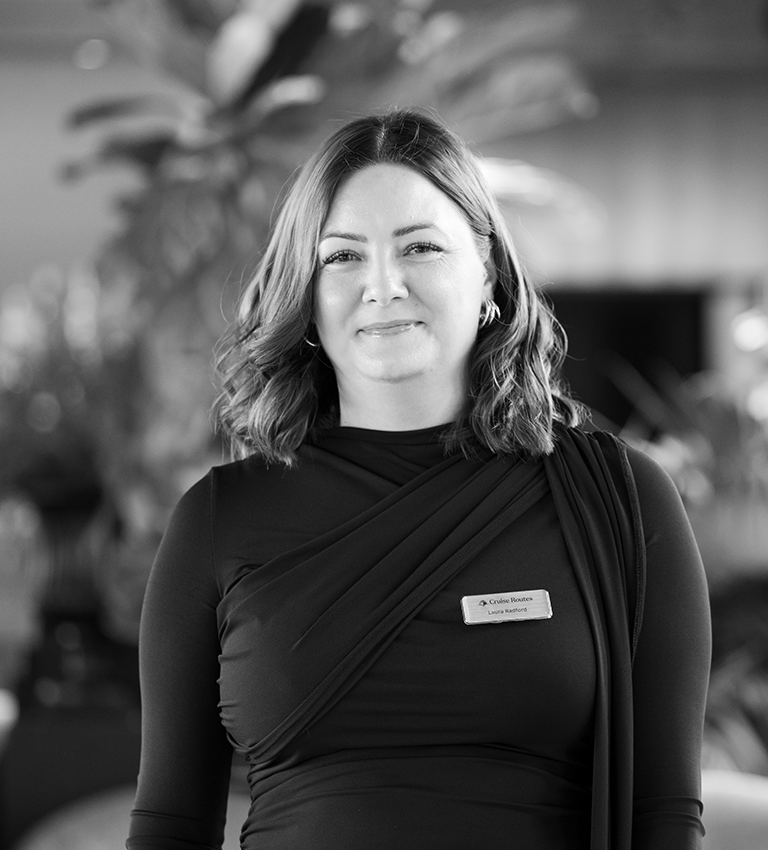
During a voyage with Swan Hellenic, Lucy Yeoman, then a Senior Polar Specialist at Polar Routes, spoke with polar guide Richard Simpson about his working life.
With a background in the British Army and adventure training, Richard brought experience of leading groups outdoors to his role guiding expedition guests.
In this interview from our Polar Routes archive, he shares his early starts, memorable encounters and the pleasure of helping travellers discover Antarctica.
This interview reflects Richard’s experiences and role at the time of the original voyage. Daily schedules and expedition arrangements vary between departures.
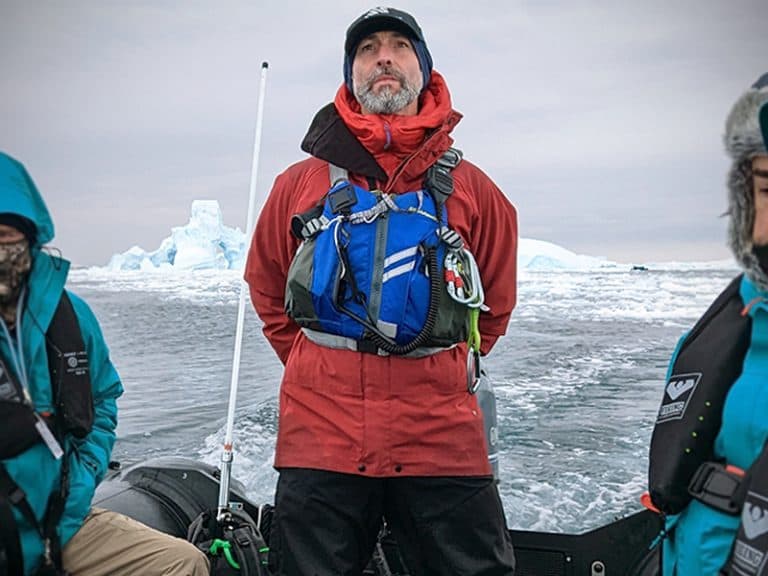
What attracted you to working in Antarctica?
I am a two-time Antarctic explorer, and I was given the opportunity to work with Swan Hellenic after they helped evacuate me and seven other teammates on the Antarctic Peninsula during our last expedition.
When I was given this opportunity by Swan Hellenic, I took it with both hands, for sure.
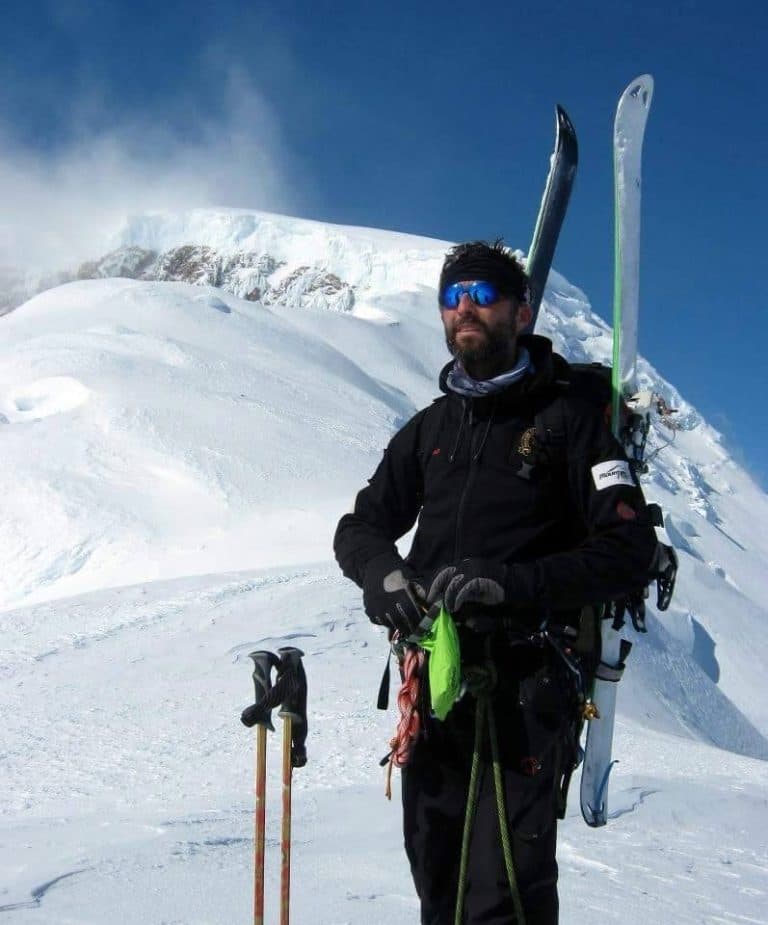
What does a typical day involve?
I wake up at 5:23am precisely, in order to be in the gym at 5:30am! I do an hour’s workout, and that’s important for me. With my military background, I like to keep fit and healthy. Healthy body, healthy mind.
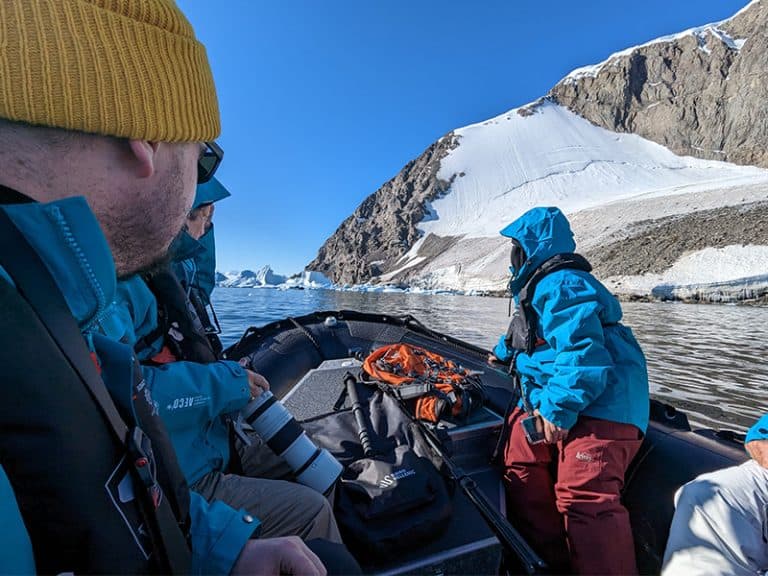
I then have breakfast at 6:45am if I’m going out, because we need to be dressed and ready for a Zodiac cruise or landing by 7:30am.
A Zodiac cruise will be around two hours long, and a landing could be around three hours. I would go ashore first, set up the routes, carry out the dynamic risk assessment and make sure I can take guests to see the nature, geology and geography in a safe and enjoyable way.
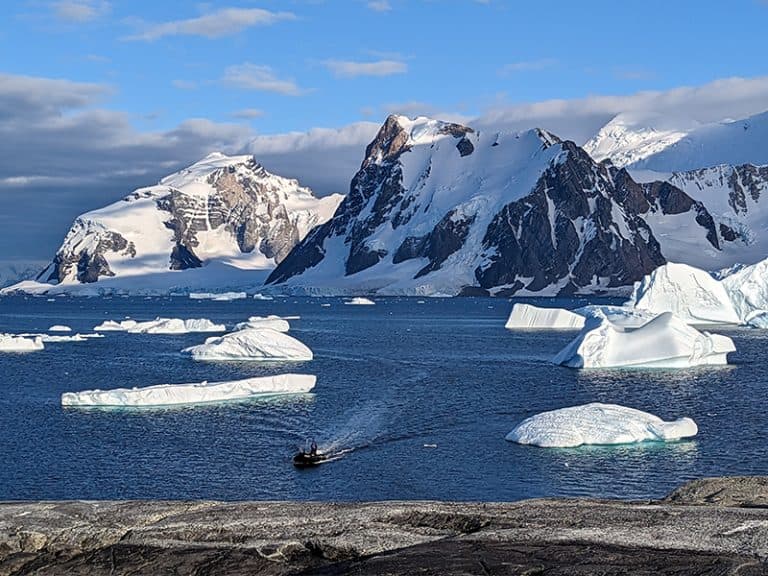
And you record your routes on Strava?
That’s right, for my own personal logbook.
That takes me to lunchtime. We then have until about 1:30pm before the next landing, and we finish that at around 6pm.
We have to dash and change into our evening attire for a recap. That might be a short five- to ten-minute talk about what we have seen or experienced that day, or a more formal explanation of something we have already encountered.
Then we sit with the guests for an evening meal. By 10pm, I’m normally ready to collapse! My kit will be in the drying room, having been washed to remove guano and saltwater, ready for the next morning.
What is your favourite thing about the job?
I love going to Antarctica. Every time I go, it is different. It has an amazing draw that brings you back every single time.
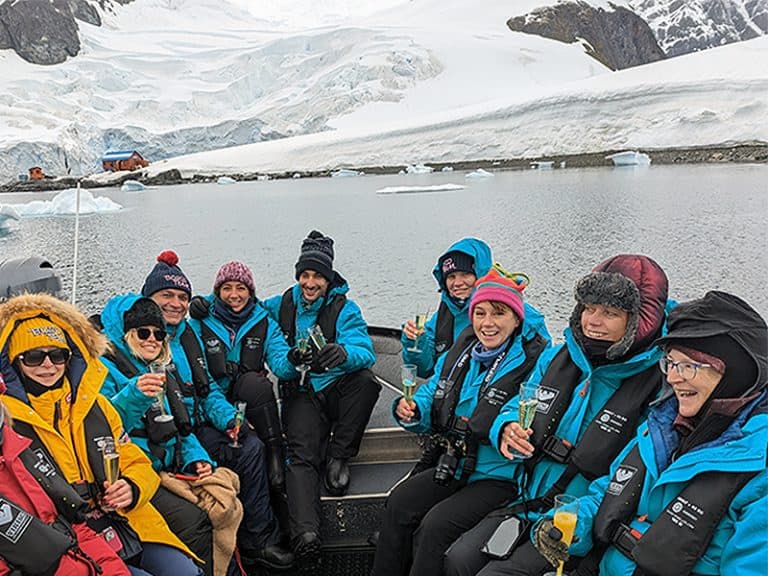
Being able to share this with the passengers and guests is brilliant. I can see the wonder in their faces, and I feed off that.
I like to show them: have you looked at this bit here? Look at what these penguins are doing. Put your camera down and look at what’s happening over there.
It’s brilliant to see people’s faces. The guests change over a couple of days; I can see it happening. It’s not just another continent people want to conquer or a box-ticking exercise. It’s a life-changing experience.
What has been your most memorable wildlife encounter?
The most amazing experience was actually on the Drake Passage coming back. I think it was in December, around Christmas time. There was a beautiful “Drake Lake”, with superb weather.
I was with some children and said, “Stop playing on your PlayStation. Look up there, there are some whale blows!”
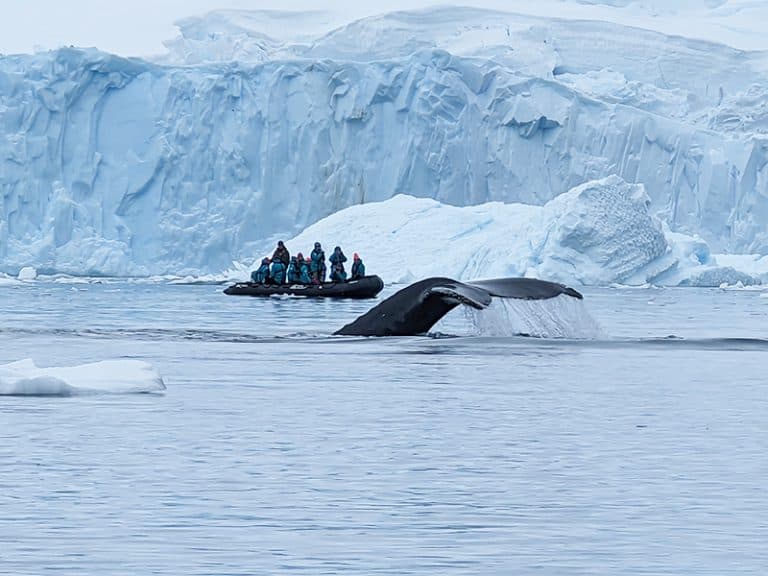
They could see whales breaching, and as we got closer, we found ourselves surrounded by about 100 whales. The whole ship came to a stop.
We were stopped for about two and a half hours. The whales were migrating south, and we were heading north towards Ushuaia. We were so fortunate. It was amazing.
The whales seemed as intrigued as we were, coming right up close to the ship. People were taking pictures on their phones, but their phones had run out of memory or battery power!
People were just gobsmacked. It was the most astonishing sight.
What is the biggest challenge in your role?
The biggest challenge is guests who don’t quite understand the dangers of the wilderness they are visiting.
I set out flags for a reason: to protect them from falling over edges or into crevasses, or stumbling into ice holes, and to keep them away from certain wildlife.
If guests decide to wander into a penguin rookery, for example, they would be breaking the rules and affecting the experience for other guests.
What advice would you give travellers exploring Antarctica?
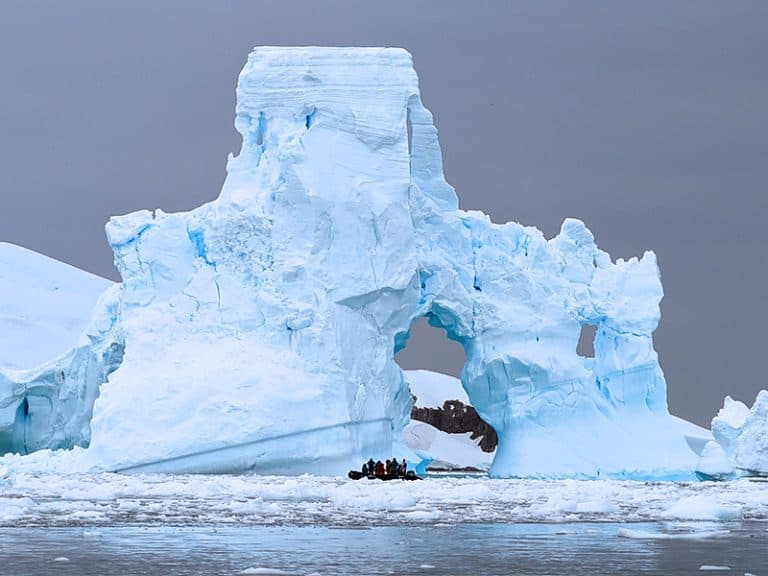
Bring a camera, but don’t spend all your time behind it. Your camera lens will never take in the enormity of the landscape surrounding you.
Don’t live your life behind a lens.
What is your favourite time of the Antarctic season?
I think late November going into December.
Are there any funny moments that stand out?
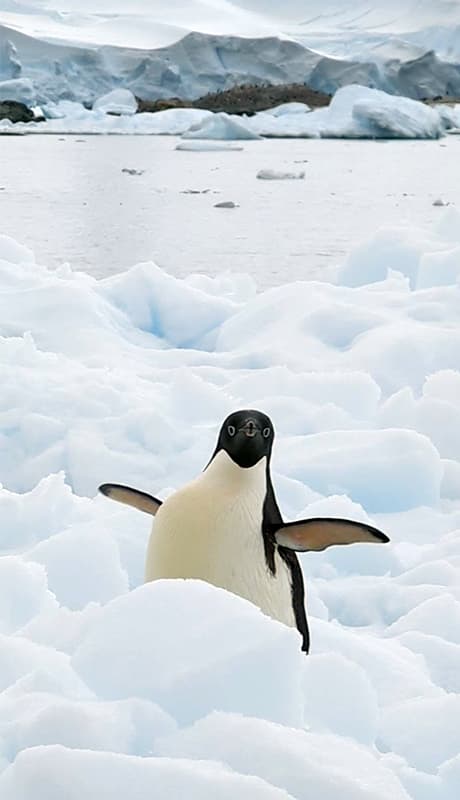
Being asked, “Are those penguins real?”
Some people cannot believe they have seen penguins for real! We get some funny comments from guests sometimes.
Exploring Antarctica with an expedition team
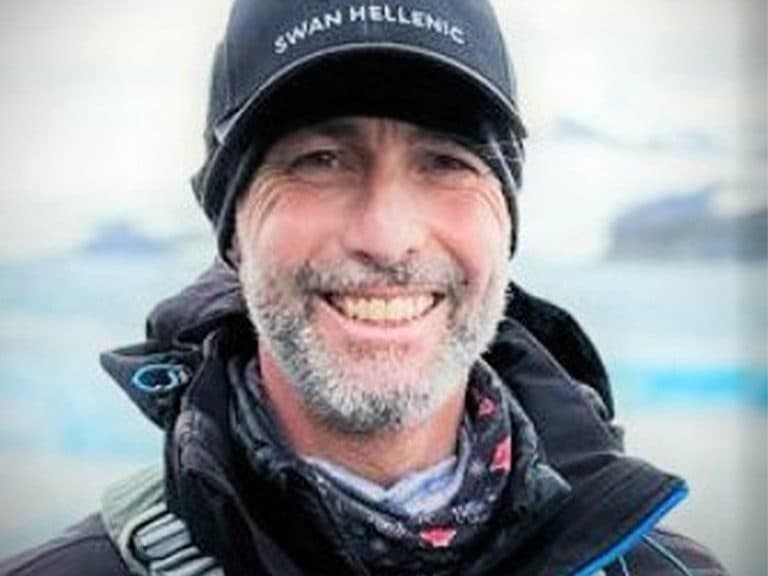
Richard was one of the expedition guides on Lucy’s Swan Hellenic voyage, Antarctica Peninsula in Depth.
His account offers a glimpse of the preparation, knowledge and enthusiasm that go into an expedition, from assessing landing sites to helping guests notice the smaller details of the landscape.
If you’re preparing for your own voyage, follow your cruise line’s current packing list and confirm which clothing and equipment are supplied. During excursions, follow the expedition team’s briefings and marked routes.
Curious about exploring Antarctica? Our Cruise Consultants can help you compare the journeys and find an Antarctic expedition that suits your interests and sense of adventure.