Svalbard has always been synonymous with polar bears. This remote archipelago deep within the Arctic Circle is undoubtedly one of the best places in the world to see them in their natural habitat.
But after spending time on a Svalbard Expedition Cruise aboard Ultramarine with Quark Expeditions, I can honestly say Svalbard is so much more than its most famous resident.
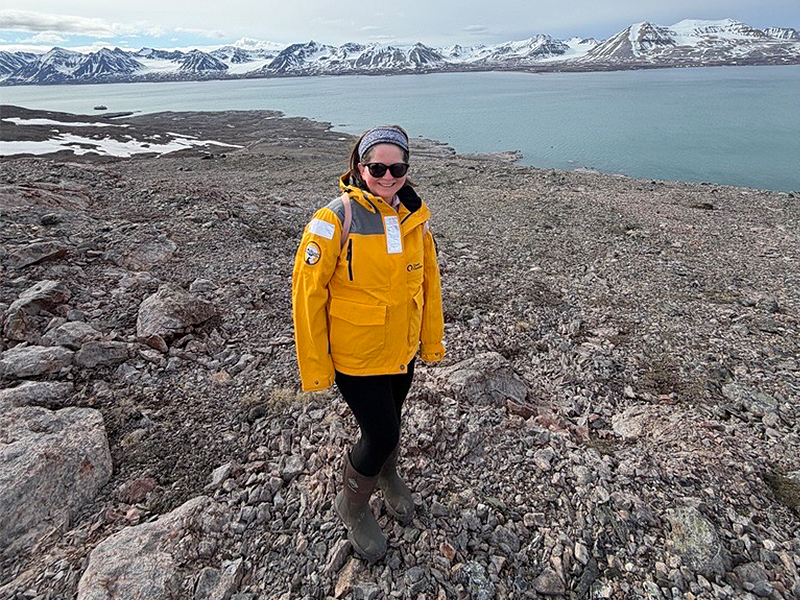
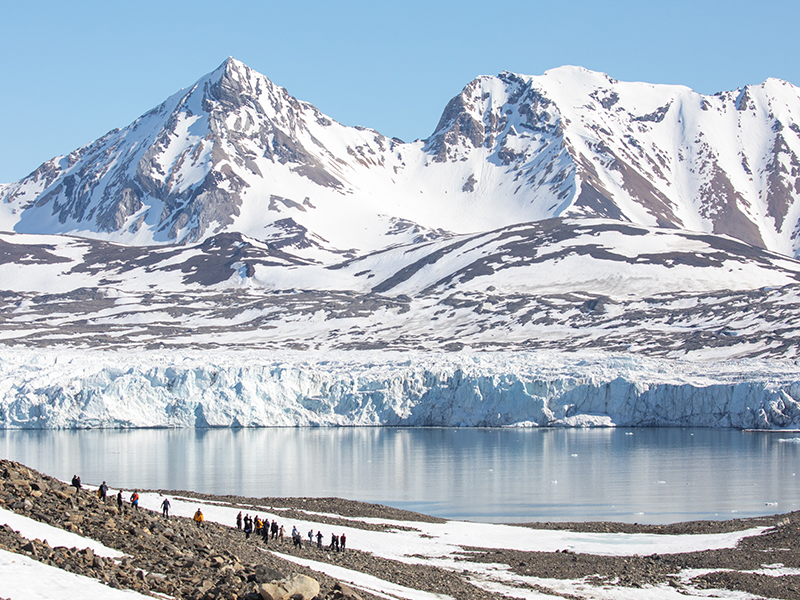
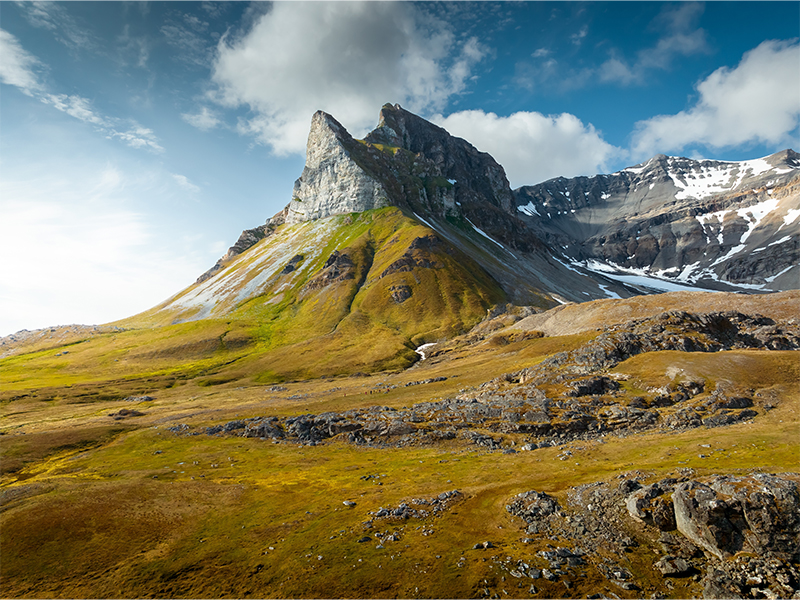
The scenery alone is worth the journey. Vast glaciers spill into silent fjords, snow-capped mountains rise dramatically from the sea, and the tundra transforms throughout the short Arctic summer, bringing splashes of green, brown and colourful wildflowers to an otherwise stark landscape. It feels raw, remote and wonderfully untamed.
Yet woven throughout this extraordinary setting is some of the most fascinating wildlife I’ve ever encountered.
One moment I’d be standing on deck catching a glimpse of a minke whale’s fin breaking the surface. The next, dolphins would appear alongside the ship, interrupting dinner in the best possible way. One morning we woke to find polar bears enjoying their own early-morning swim nearby.
That’s one of the things I loved most about Svalbard. Wildlife sightings aren’t handed to you. You have to spend time looking, watching and waiting. But when those moments come, they’re all the more rewarding because of it.
Svalbard’s Expedition Cruise Season at a Glance
When Is the Best Time to Visit Svalbard?
| Month | Highlights |
|---|---|
| May | Wildlife is beginning to emerge after the long polar winter |
| June | Brings an influx of migratory birds and some of the most active wildlife viewing opportunities |
| July & August | The tundra becomes greener, wildlife remains abundant, and conditions for exploring further around the archipelago become more reliable |
For most expedition travellers, the best time to visit Svalbard is between May and August, when sea ice retreats enough to allow access to remote coastlines.
Visiting Svalbard in May
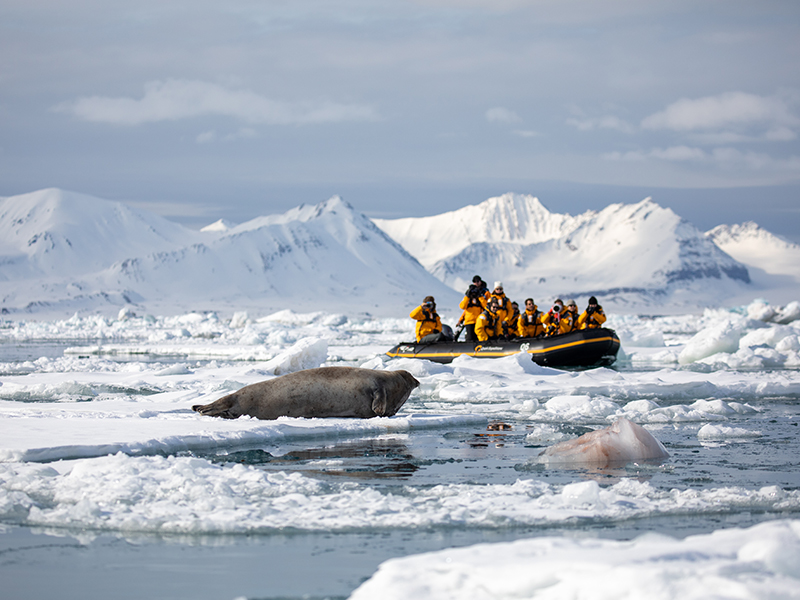
May feels very much like spring awakening. Snow and sea ice still dominate the landscape, and wildlife is beginning to emerge after the long polar winter.
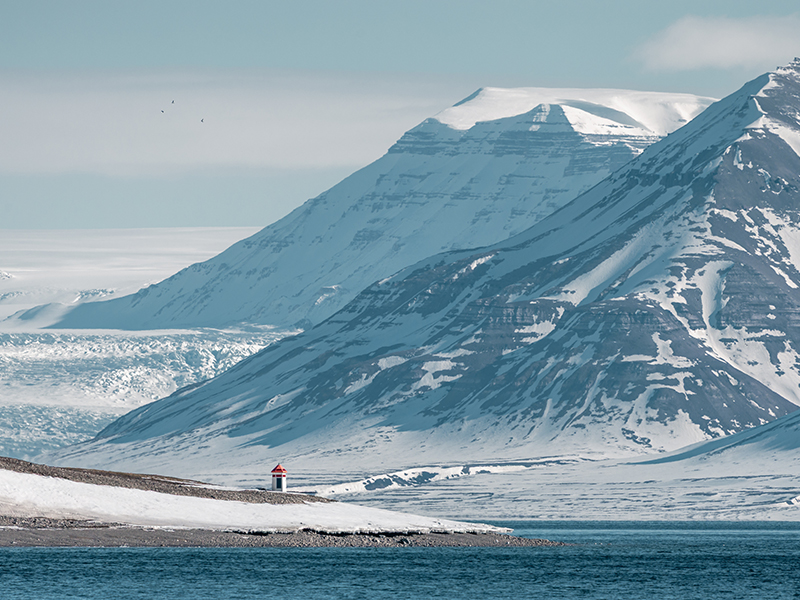
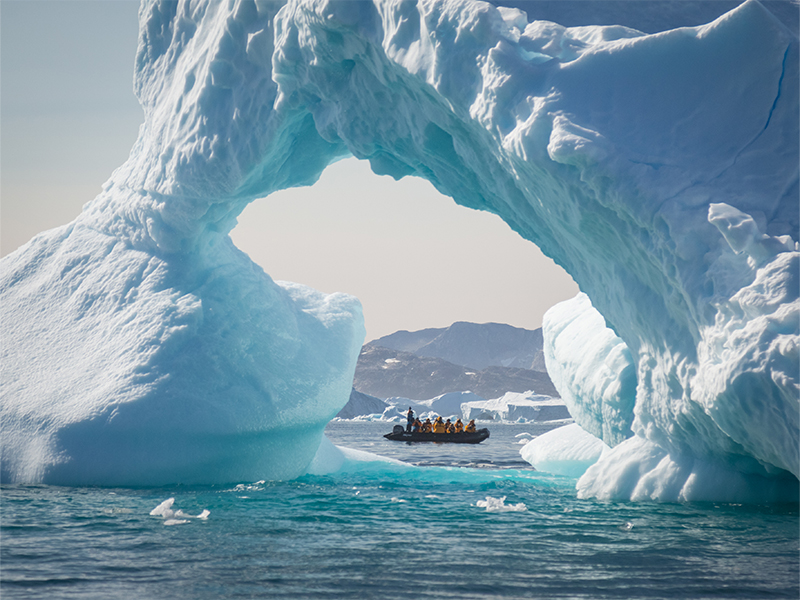
Image courtesy of Quark Expeditions
Visiting Svalbard in June
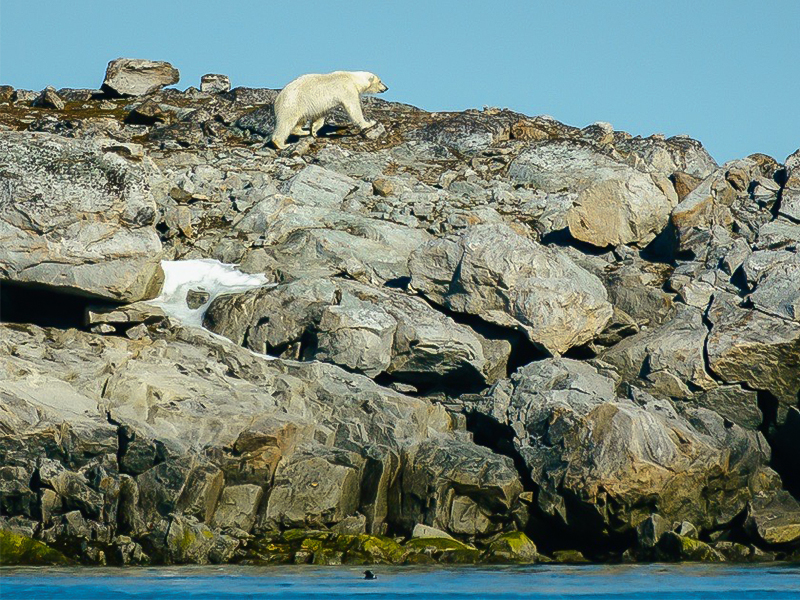
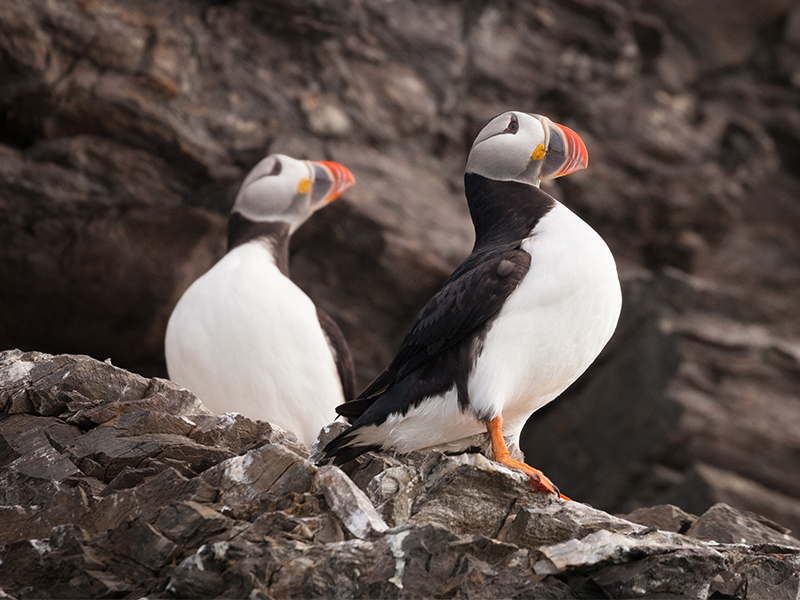
June brings an influx of migratory birds and some of the most active wildlife viewing opportunities. Nesting season is underway, and polar bears often still have access to sea ice for hunting.
Visiting Svalbard in July and August
July and August see summer arrive in earnest. The tundra becomes greener, wildlife remains abundant, and conditions for exploring further around the archipelago become more reliable.
The truth is that there isn’t really a wrong time to visit. Each part of the season offers its own perspective on this remarkable corner of the Arctic.
Wildlife Around Every Corner
Throughout the voyage, there seemed to be something new to discover every day.
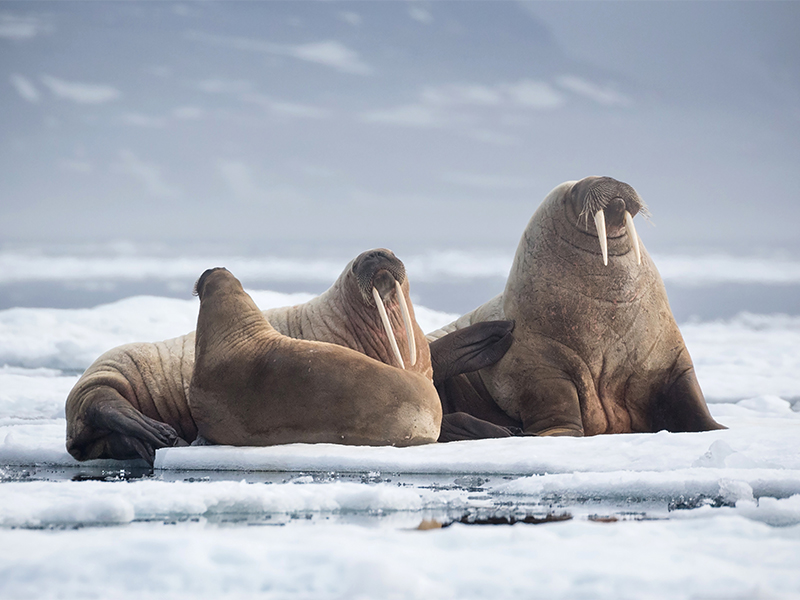
We watched walrus hauled out on narrow spits of land, piled together in one enormous, grunting mass. Bearded seals rested on floating sea ice, keeping a watchful eye on their surroundings. Beluga whales hunted gracefully along glacier fronts, while reindeer grazed quietly across the tundra.
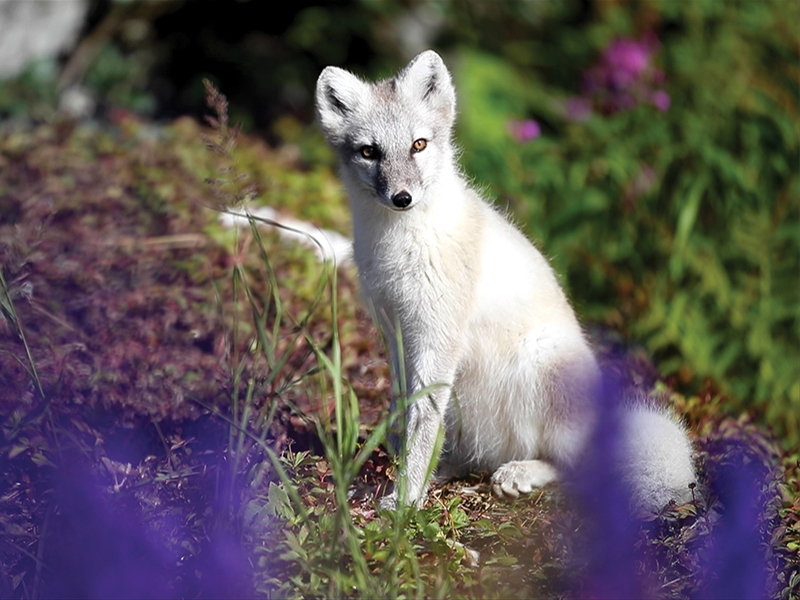
Arctic foxes appeared among the rocks, often looking completely unbothered by our presence. And, of course, there were the polar bears, including one memorable sighting of a bear raiding bird nests in search of eggs.
As with any wildlife destination, nothing is guaranteed. That’s part of the appeal. The wildlife is truly wild, and every encounter feels genuine and meaningful. It’s one of the reasons Svalbard offers such a rewarding exploration experience.
The Birds Stole the Show
I’ll admit that I didn’t arrive in Svalbard thinking it would be the birdlife that captured my imagination.
Yet it quickly became one of the highlights of the trip.
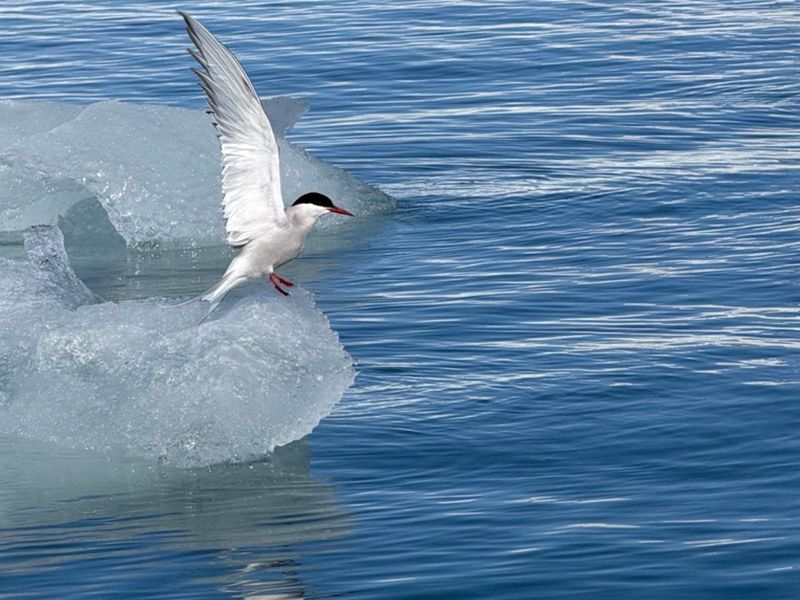
There are countless stories hidden within these Arctic species. Arctic terns, for example, complete one of the longest migrations on Earth, travelling from the Arctic to Antarctica and back each year – more than 40,000 miles. Then there are snow buntings, tiny birds that somehow choose to spend their winters in Siberia.
For me, though, the standout experience was Alkefjellet.
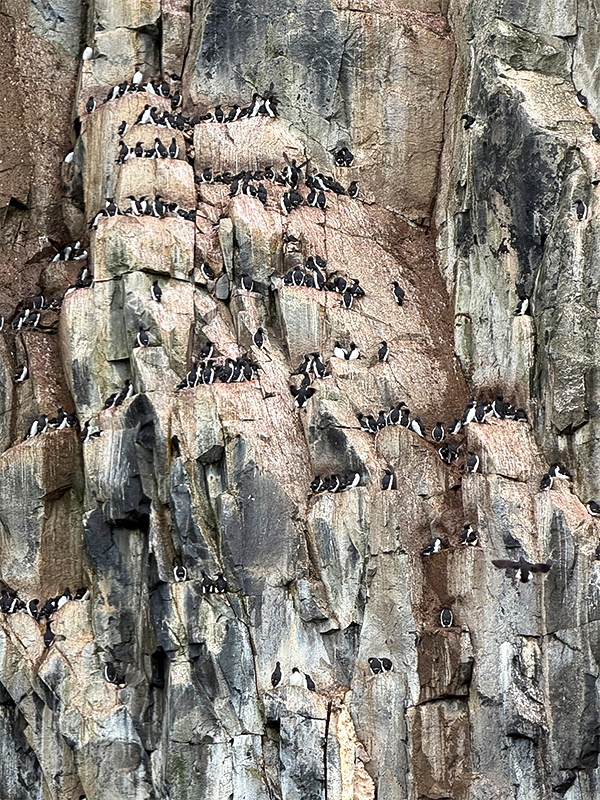
Home to more than 60,000 breeding pairs of Brünnich’s guillemots, these towering bird cliffs are an unforgettable sight. Birds circle overhead in their thousands, darting in and out of impossibly small nesting ledges while others squabble in the water below over the best places to settle.
All of this unfolds against a backdrop of dramatic basalt cliffs that seem to rise straight from the sea.
It’s noisy, chaotic and completely mesmerising.
Featured Voyage
Spitsbergen Circumnavigation: A Rite of Passage
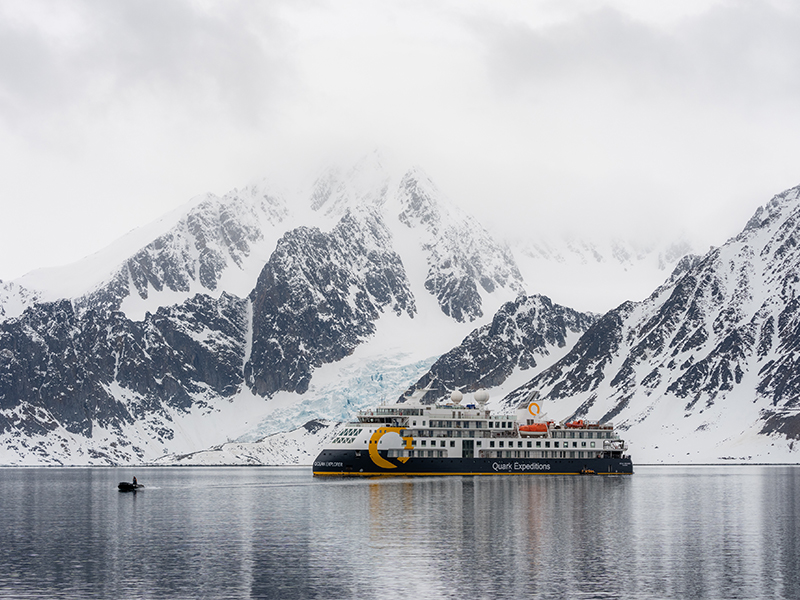
This 14-day journey offers the most extensive exploration of Spitsbergen in the Norwegian archipelago of Svalbard, including the opportunity to witness iconic Arctic wildlife like walrus, reindeer and polar bears, a glimpse into 16th-century maritime culture at secluded landing sites, and the rare chance to appreciate breathtaking views at the birdwatching utopias 14th of July Glacier and Alkefjellet.
A World Shaped by Ice
Then there’s the ice. Every day seemed to reveal a different form of it.
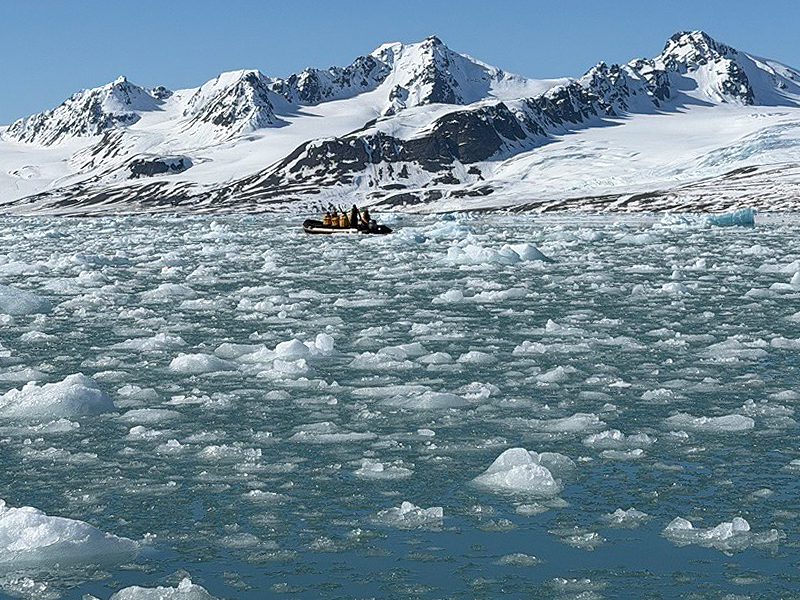
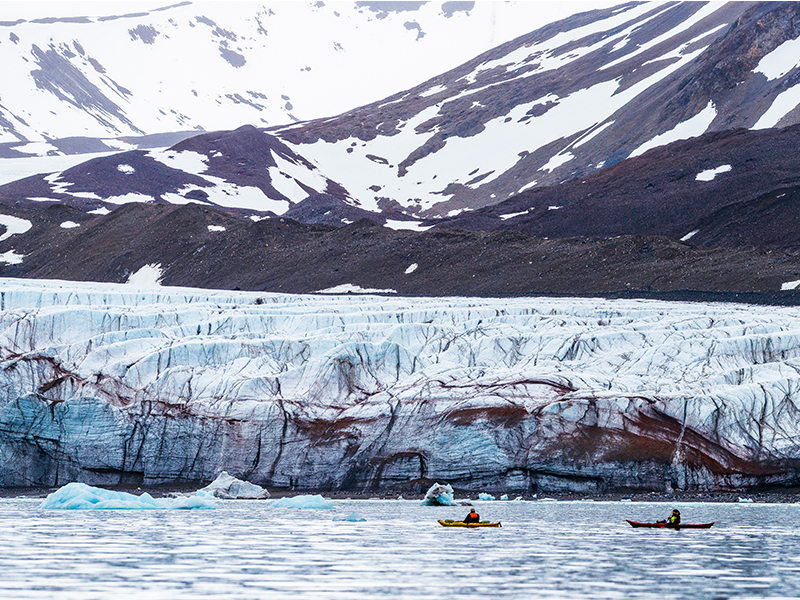
We gazed up at towering glacier faces from our Zodiac, kayaked quietly through fields of brash ice and sailed north towards the pack ice, where the frozen landscape stretched as far as the eye could see.
The sea ice is beautiful in its own right, but it also plays a vital role in the Arctic ecosystem. It’s a habitat for seals, hunting ground for polar bears and one of the defining features of the region.
Some of my favourite moments were spent simply scanning the horizon, never quite knowing what might appear next.
Antarctica or Svalbard?
During the voyage, one of the expedition guides shared a comparison that has stayed with me ever since.
People often ask whether Antarctica or Svalbard is better.
His answer was simple:
“Antarctica is bold and striking like an oil painting, whereas Svalbard is like a beautiful watercolour – more subtle, but just as beautiful.”
I couldn’t agree more.
Antarctica has an undeniable grandeur, but Svalbard rewards those who take the time to notice the smaller details. The changing light, the wildlife interactions, the textures of the landscape and the quiet moments in between.
It’s a place that reveals itself gradually, and that’s exactly what makes it so special.
Planning a Svalbard Expedition Cruise?
Our Cruise Consultants know Svalbard exceptionally well and can help you choose the right itinerary, ship and departure date based on the experiences that matter most to you.
Whether you’re considering the Spitsbergen archipelago or a wider Arctic voyage, we’re here to help you explore further, discover more and cruise differently.