Planning a journey to Antarctica brings plenty of questions. When should you travel? Which expedition should you choose? What will you actually do once you arrive?
The answers depend on what you want from the experience. You might be drawn to penguin colonies, extraordinary ice landscapes, Antarctic history or the opportunity to explore somewhere far beyond your everyday surroundings.
These ten things to know before visiting Antarctica will help you start planning.
1. The best to visit depends on your interests
Most Antarctic Peninsula expedition cruises operate between late October and March. Across that season, the landscape, wildlife and daylight change.
Early-season voyages often bring extensive snow cover and the activity of penguins returning to their breeding colonies. During December and January, long daylight hours offer plenty of time to appreciate the landscape, with penguin chicks appearing as the breeding season progresses.
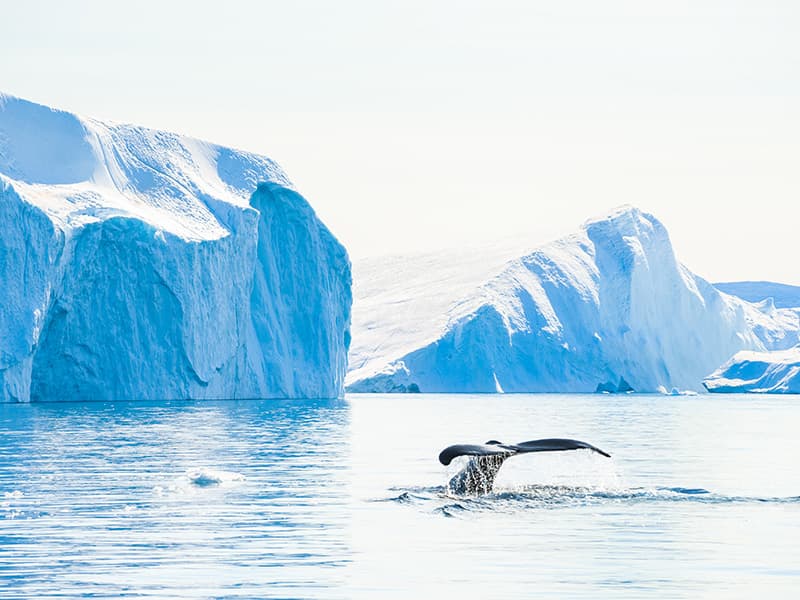
February and March can be particularly rewarding for whale watching, while growing penguin chicks provide another perspective on colony life.
These are seasonal patterns rather than a timetable. Wildlife activity and conditions vary between locations and years, so start with what interests you most rather than looking for one universally “best” month.
2. Packing is about adaptable layers
Follow your operator’s packing list and choose clothing that allows you to adjust to changing conditions.
Useful essentials typically include thermal base layers, insulating mid-layers, waterproof outerwear, warm gloves and a hat. Check which expedition clothing and landing boots your operator supplies before buying or packing your own.
Sun protection matters too. Pack sunscreen and sunglasses with suitable UV protection: snow can reflect UV radiation, and cold weather doesn’t remove the risk of sunburn.
A camera, spare batteries, binoculars and protection for your equipment can also help you make the most of time on deck and out exploring.
3. Different itineraries offer different experiences
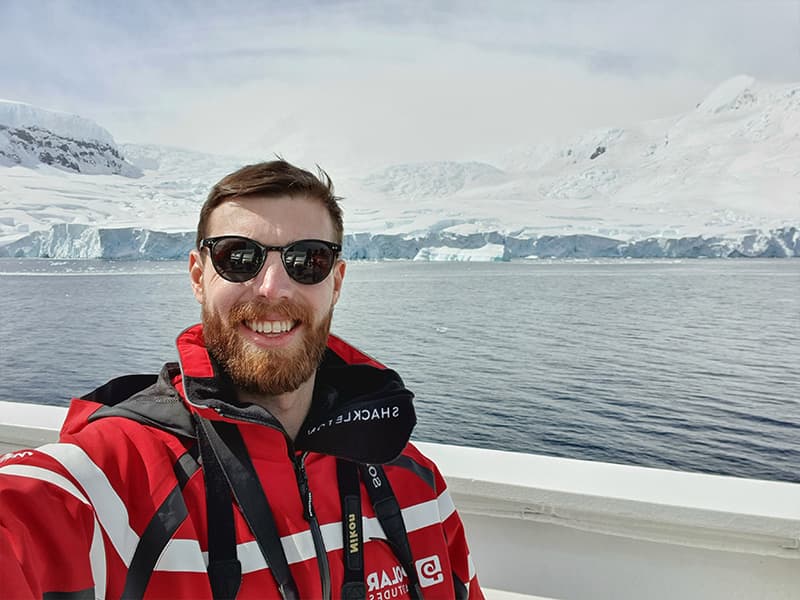
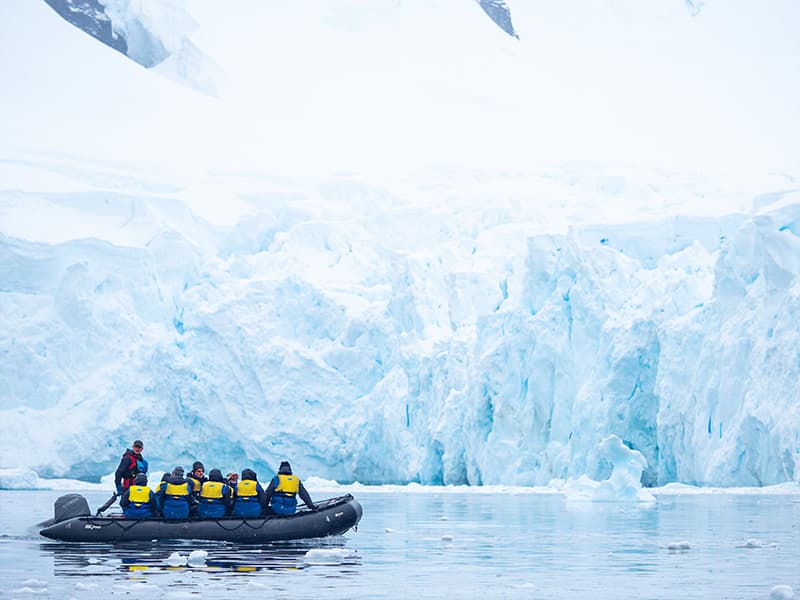
A classic Antarctic Peninsula expedition is a good starting point for many first-time visitors, combining sea crossings with opportunities to explore by Zodiac and ashore.
Longer itineraries may include the Falkland Islands and South Georgia, adding different wildlife, landscapes and history. Other journeys aim to cross the Antarctic Circle or explore more remote regions.
Fly-cruise itineraries offer another approach, flying between South America and Antarctica for part of the journey. They can reduce time spent crossing the Drake Passage, although flights remain dependent on suitable weather.
Think about the places and experiences you want to prioritise, alongside how much time you have available.
4. Your choice of ship matters
Look beyond the cabin photographs when comparing expeditions. Passenger numbers, expedition facilities and the way excursions are organised all help shape your experience.
Under IAATO’s operating rules, vessels carrying more than 500 passengers do not make landings. Ships that make landings must limit visitors ashore at any one site to 100 at a time, with stricter site-specific limits sometimes applying.
On ships carrying more guests, expedition teams may organise rotations between shore visits and other activities. A smaller passenger count can make those arrangements simpler, but no ship can guarantee a particular number of landings: conditions and site availability still determine what is possible.
5. Activities vary between voyages
Zodiac cruises and guided landings are central to many Antarctic expeditions, bringing you closer to the coastline, ice formations and wildlife.
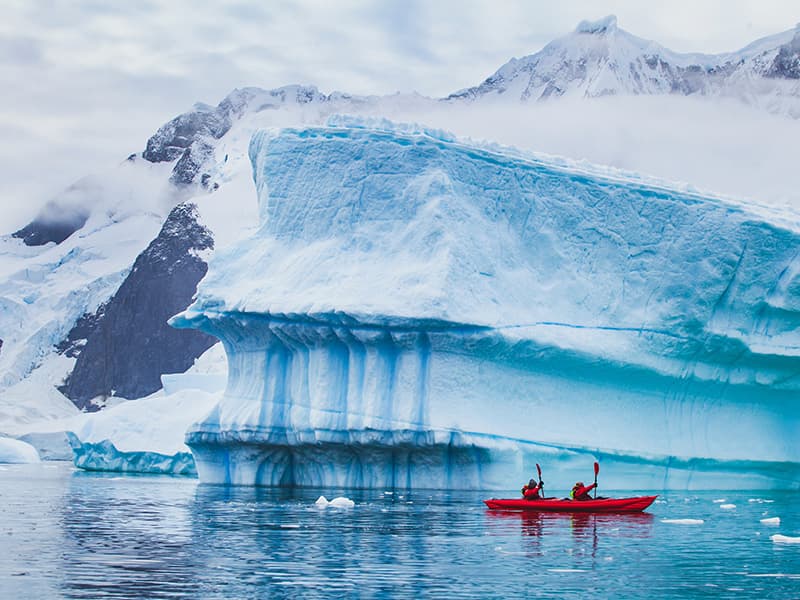
Depending on the ship and departure, you may also find options such as kayaking, camping, snowshoeing or helicopter experiences. Some require advance booking, additional payment or a particular level of fitness.
Visits to historic sites or research stations may feature on an itinerary, but access should never be assumed.
Ask which activities are included, which are optional and what requirements apply before choosing your voyage.
6. The Drake Passage is part of the journey
The crossing between South America and the Antarctic Peninsula is often a memorable part of an expedition. Conditions can range from relatively calm seas to a much more noticeable swell, giving rise to the expressions “Drake Lake” and “Drake Shake”.
No departure date can guarantee a calm crossing. If you are concerned about seasickness, discuss suitable prevention with a qualified healthcare professional before travelling.
For those who would prefer to reduce time at sea, a fly-cruise may be worth considering. It comes with its own weather considerations, so compare the full experience rather than treating it as a guaranteed shortcut.
7. Wildlife sightings depend on where you go
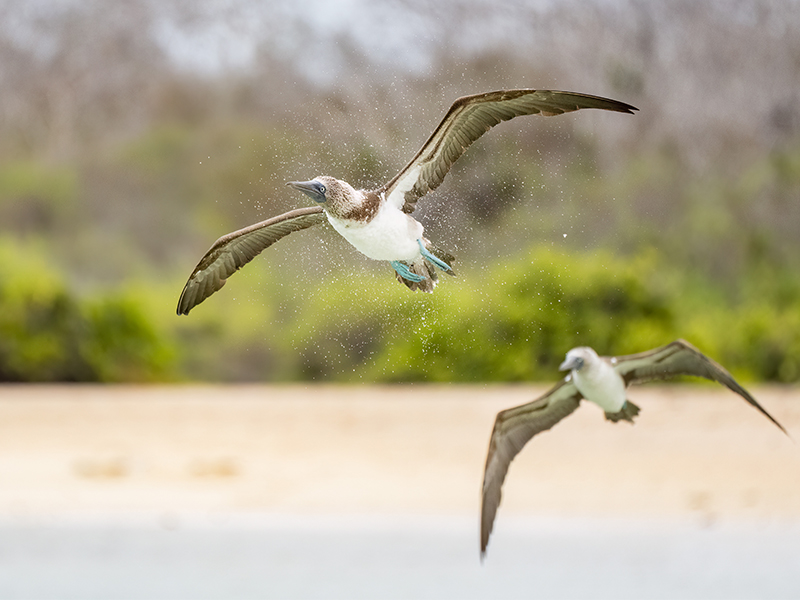
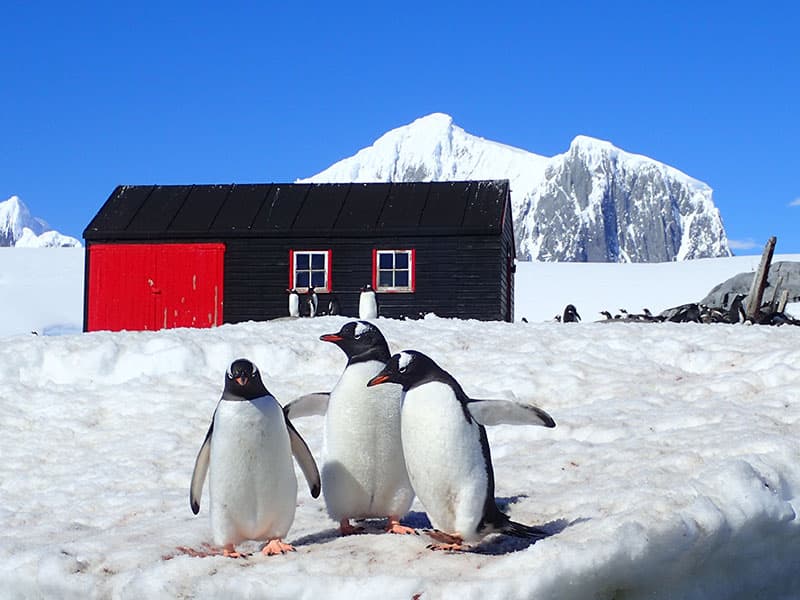
Gentoo, chinstrap and Adélie penguins are among the species associated with Antarctic Peninsula expeditions. Seals and whales are other highlights, with sightings varying throughout the season.
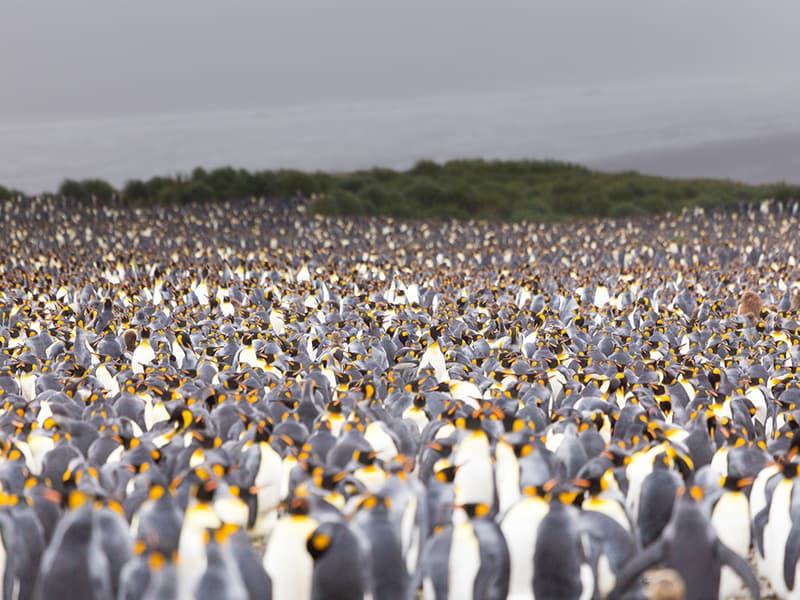
Including South Georgia introduces the possibility of seeing vast king penguin colonies. Emperor penguins, meanwhile, usually require a specialist itinerary; a standard Peninsula or Weddell Sea voyage should not be booked on the assumption that you will see them.
Choose a journey suited to your wildlife interests, while leaving room for the unexpected. Animals move freely, and no encounter is guaranteed.
8. Check what your fare includes
Before comparing prices, establish what each expedition includes.
Look at flights, pre-cruise accommodation, transfers, expedition activities, drinks, Wi-Fi and gratuities. Optional activities and other extras can make a difference to the overall cost.
Check the currency used on board, accepted payment methods and the operator’s tipping policy. Some fares include gratuities; others provide guidance for discretionary tips.
If travelling independently, also compare cabin-sharing arrangements, solo accommodation and any single supplement.
9. Travel documents and insurance need careful checking
Check passport and entry requirements for every country on your route, including transit stops and any pre- or post-cruise stay. Requirements depend on your nationality and itinerary, so there is no single passport-validity or visa rule that covers every Antarctic journey.
For an organised Antarctic visit, the operator usually arranges the relevant expedition permission. Confirm this with your travel provider and consult the latest FCDO entry guidance.
Arrange insurance that covers your itinerary, planned activities and emergency expenses, including any evacuation requirements specified by your operator.
10. Flexibility and responsible behaviour are essential
An Antarctic itinerary is a plan that adapts to the conditions. Weather, sea ice and wildlife can change the day’s activities, sometimes opening up an unexpected opportunity and sometimes preventing a landing.
Your expedition team will explain the plans, assess conditions and guide your activities. Follow their instructions, respect marked routes and give wildlife space.
You will also be asked to follow biosecurity procedures, including cleaning footwear and equipment to help prevent the introduction or spread of organisms and disease.
These measures are part of caring for the place you have travelled so far to experience.
Start planning your Antarctic expedition
A rewarding Antarctic journey begins with choosing an experience that suits your interests, time and preferred way of travelling.
Our Cruise Consultants can help you compare ships, seasons and itineraries to find an Antarctic expedition that feels right for you.