Greenland is one of the world’s last great frontiers for exploration.
A place of immense fjords, drifting icebergs, remote communities and wildlife-rich coastlines, it offers a style of travel that’s as much about discovery as it is the destination itself.
But Greenland isn’t somewhere you can visit at any time of year. Expedition cruise season is surprisingly short, with changing ice conditions, wildlife activity and daylight hours creating very different experiences throughout the summer months.
So when is the best time to visit Greenland?
The answer depends on what you’d most like to experience.
Whether you’re hoping to sail through Scoresby Sund, spot whales feeding in Arctic waters, witness the midnight sun, or experience the first hints of the Northern Lights, this month-by-month guide will help you decide.
Our partner HX Expeditions is the ideal way to discover this amazing region of the Arctic.
Greenland’s Expedition Cruise Season at a Glance
| Month | Highlights |
|---|---|
| June | Midnight sun, spring wildlife activity, ice-filled landscapes |
| July | Peak expedition season, whale sightings, longer landings |
| August | Access to more remote regions, including parts of East Greenland |
| September | Autumn colours, Northern Lights opportunities, fewer ships |
For most expedition travellers, the best time to visit Greenland is between June and September, when sea ice retreats enough to allow access to remote fjords and coastlines.
Visiting Greenland in June
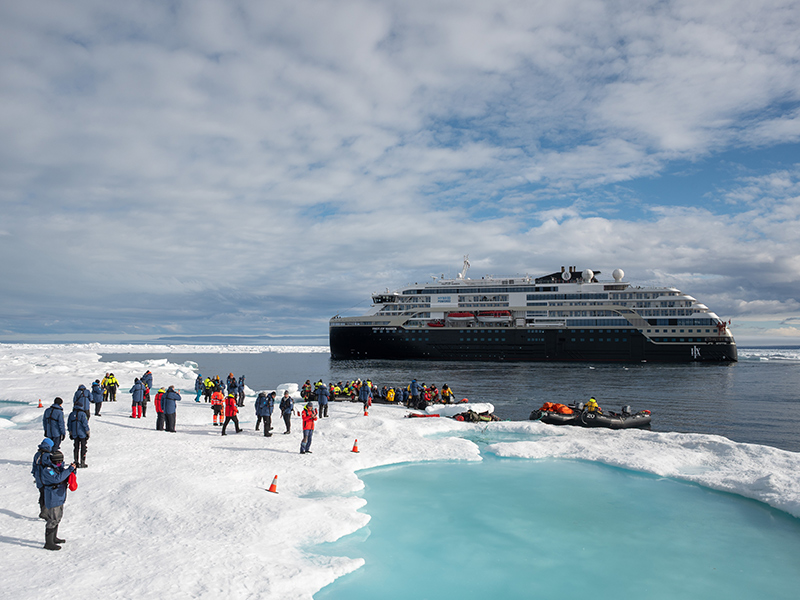
June marks the beginning of Greenland’s expedition cruise season.
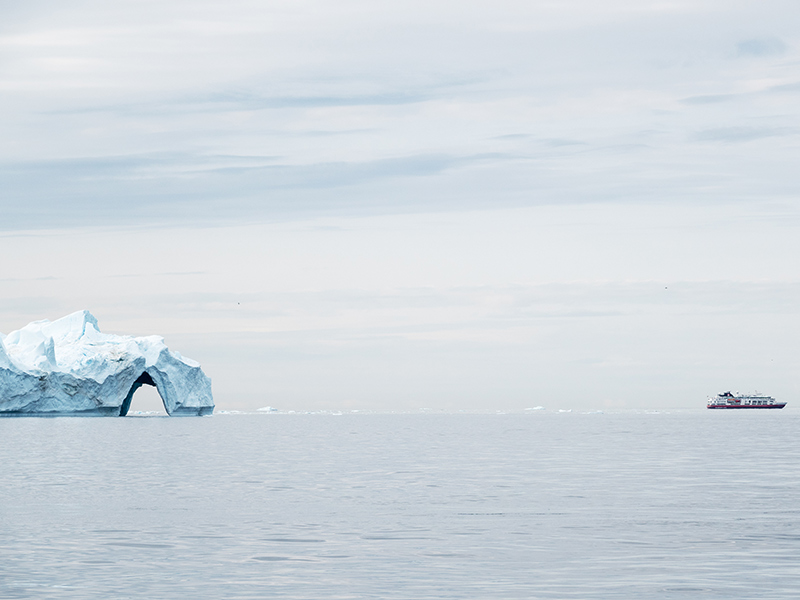
Across much of the country, the landscape is emerging from winter. Snow often still blankets the mountains, while sea ice remains present in many fjords and coastal regions.
The midnight sun dominates the experience, with almost endless daylight creating a surreal atmosphere that allows expedition teams to make the most of changing conditions.
Why visit in June?
- Spectacular ice-filled scenery
- Continuous daylight
- Fewer visitors
- Excellent opportunities for photography
- Active bird colonies returning for summer
June often feels at its wildest and most untouched, particularly for travellers seeking dramatic Arctic landscapes.
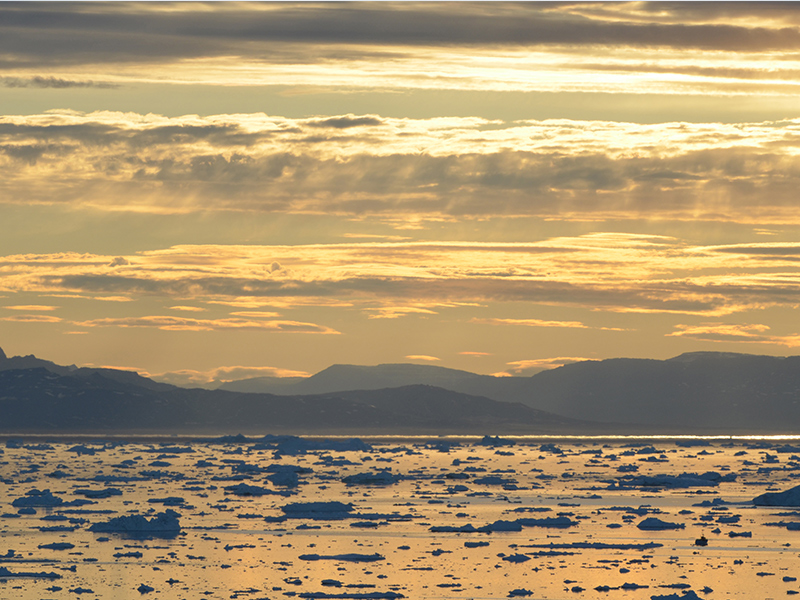
Image courtesy of HX Expeditions
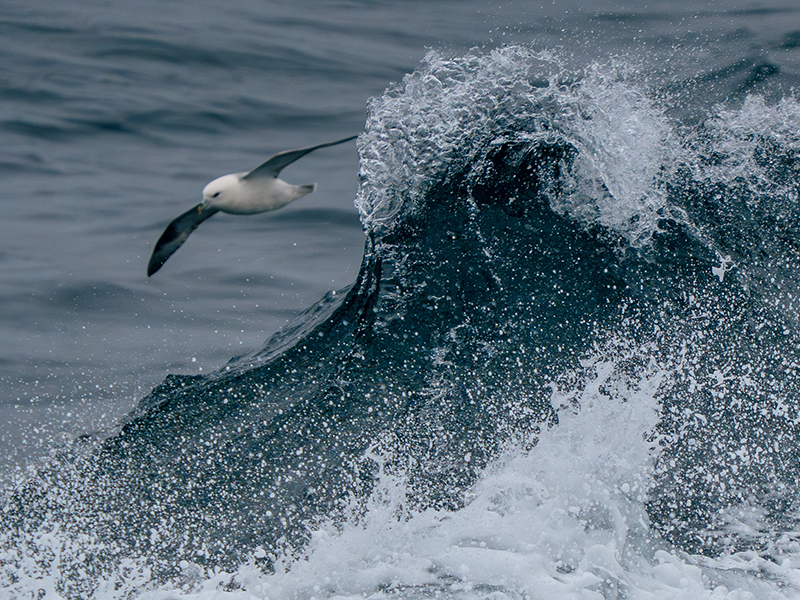
Image courtesy of HX Expeditions
Visiting Greenland in July
July is often considered the heart of Greenland’s expedition season.
The weather is generally milder, sea ice begins to retreat further, and wildlife activity increases throughout the region.
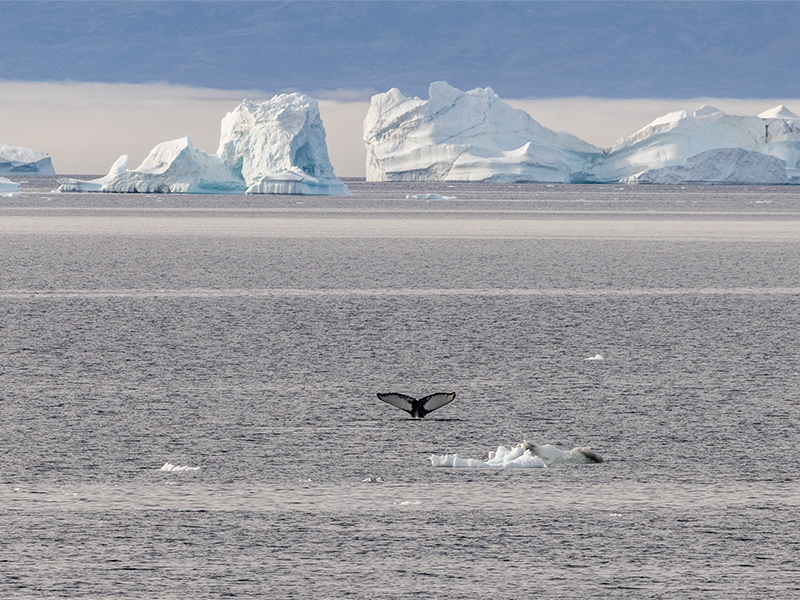
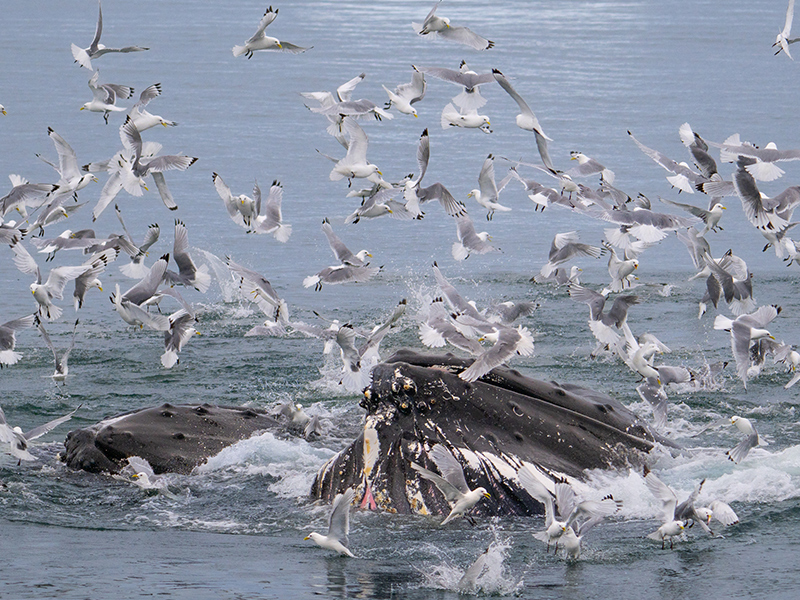
Whale sightings become more frequent, with humpback whales commonly spotted feeding in Greenland’s nutrient-rich waters. Arctic wildflowers also begin to appear across coastal landscapes, bringing unexpected colour to an environment many travellers imagine as entirely white.
Why visit in July?
July is often considered the heart of Greenland’s expedition season.
The weather is generally milder, sea ice begins to retreat further, and wildlife activity increases throughout the region.
Whale sightings become more frequent, with humpback whales commonly spotted feeding in Greenland’s nutrient-rich waters. Arctic wildflowers also begin to appear across coastal landscapes, bringing unexpected colour to an environment many travellers imagine as entirely white.
Why visit in July?
- Peak whale watching opportunities
- Comfortable temperatures
- Longer shore landings
- Excellent wildlife viewing
- Vibrant summer landscapes
If you’re visiting Greenland for the first time, July offers a wonderful balance of wildlife, scenery and accessibility.
Visiting Greenland in August
For many expedition travellers, August is when Greenland becomes particularly exciting.
Sea ice has typically retreated enough to allow deeper exploration of some of Greenland’s most remote regions, including parts of the spectacular east coast.
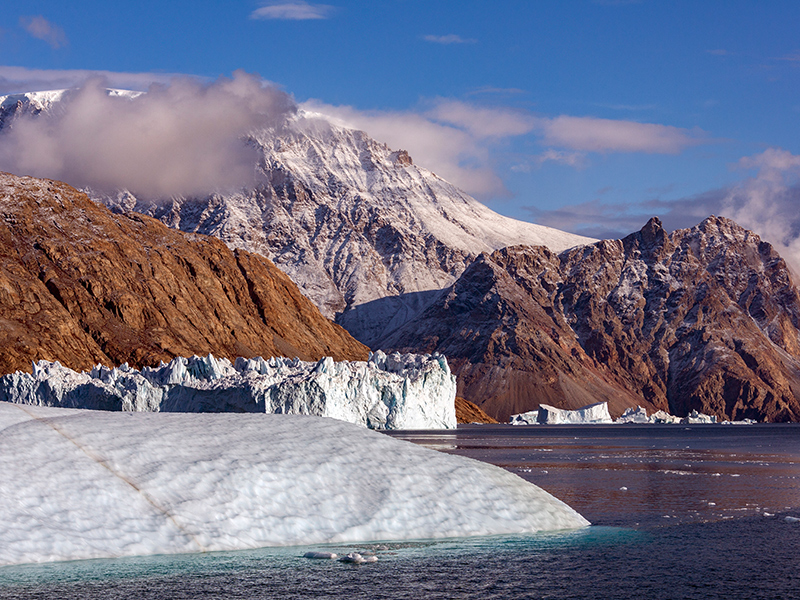
This is when voyages to Scoresby Sund, the world’s largest fjord system, begin to come into their own.
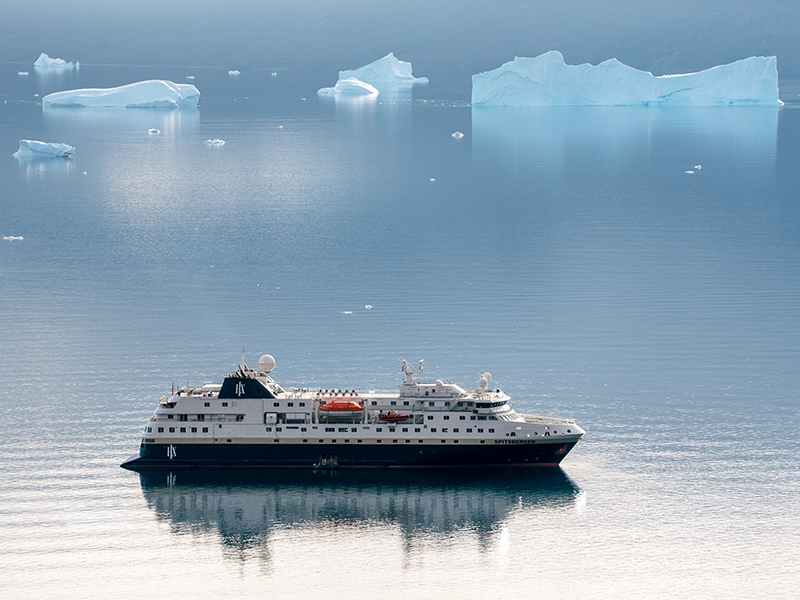
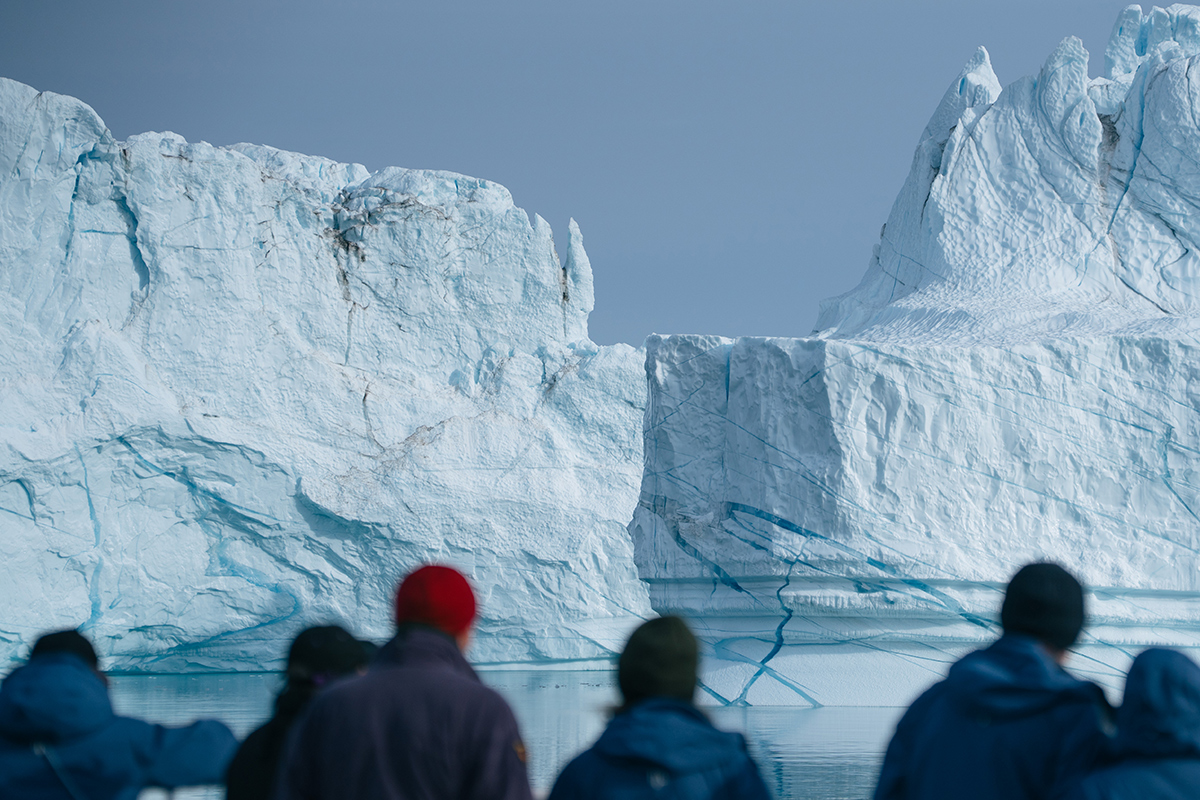
Towering icebergs drift through vast waterways, while the surrounding mountains create an extraordinary sense of scale that’s difficult to appreciate until you’re standing amongst it.
Why visit in August?
- Excellent access to East Greenland
- Prime season for Scoresby Sund
- Strong whale watching opportunities
- Rich wildlife activity
- Mild Arctic conditions
August often delivers the classic Greenland expedition experience many travellers dream about.
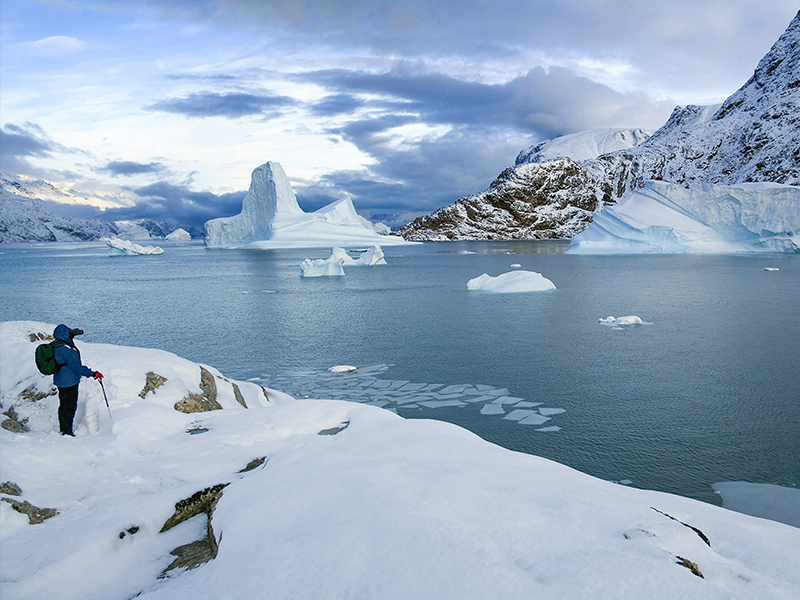
Image courtesy of HX Expeditions
Exploring Scoresby Sund
Covering more than 24,000 square miles, Scoresby Sund is the largest fjord system on Earth.
Its immense network of fjords, glaciers and mountains creates one of the Arctic’s most remarkable landscapes. The stillness here can be extraordinary, broken only by the sound of ice shifting or seabirds overhead.
Visitors may also have opportunities to visit Ittoqqortoormiit, one of the world’s most remote settlements, where daily life remains closely connected to the surrounding environment.
Featured Voyage
The Ultimate Fjord & National Park Experience by HX Expeditions
Explore the immense fjords of Scoresby Sund and the vast wilderness of Northeast Greenland National Park, where towering icebergs, Arctic wildlife and remarkable landscapes create a true sense of discovery.
Visiting Greenland in September
September brings a subtle shift in Greenland.
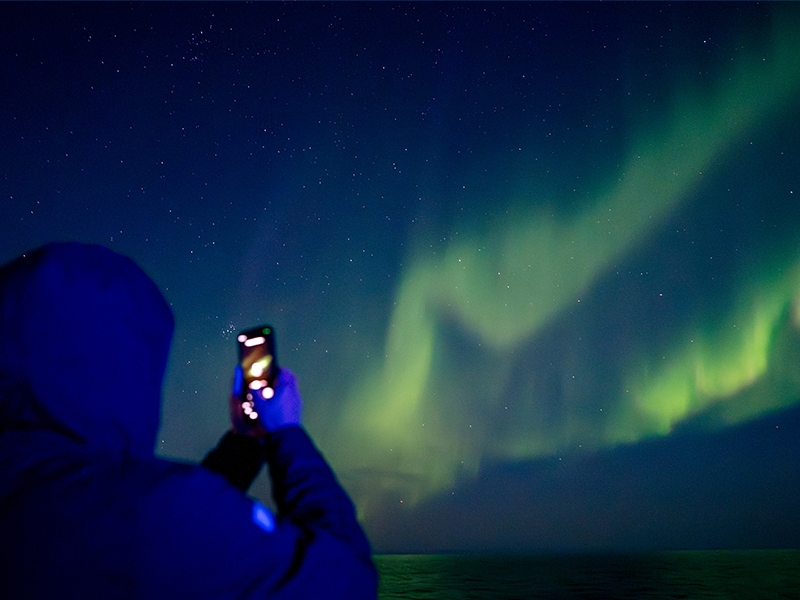
The crowds remain small, but the landscape begins preparing for winter. The light becomes softer, temperatures cool, and the first opportunities to witness the Northern Lights may begin to appear on clear evenings.
Many experienced Arctic travellers consider September one of Greenland’s most rewarding months.
Why visit in September?
- Potential Northern Lights sightings
- Beautiful autumn colours
- Fewer expedition ships
- Dramatic photography conditions
- Continued access to East Greenland
It’s a month that often feels quieter and more reflective, particularly for those drawn to Greenland’s sense of solitude and scale.
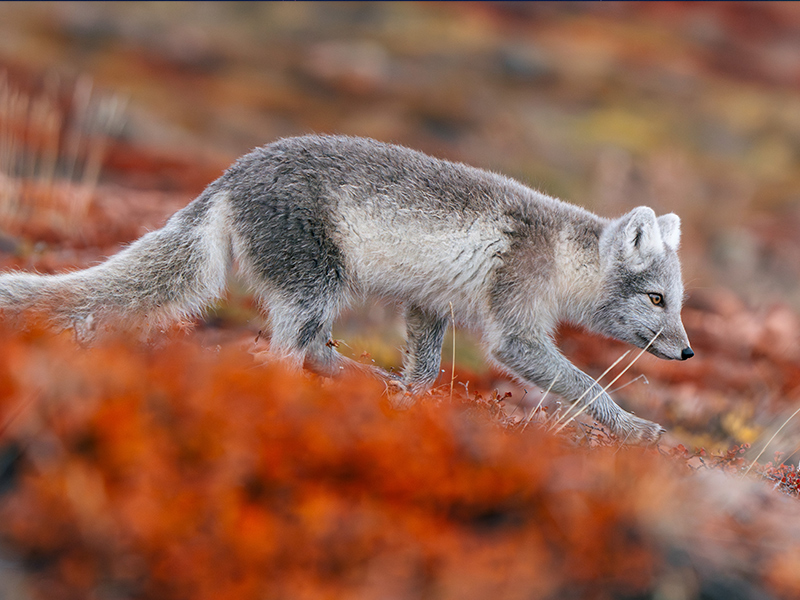
Image courtesy of HX Expeditions
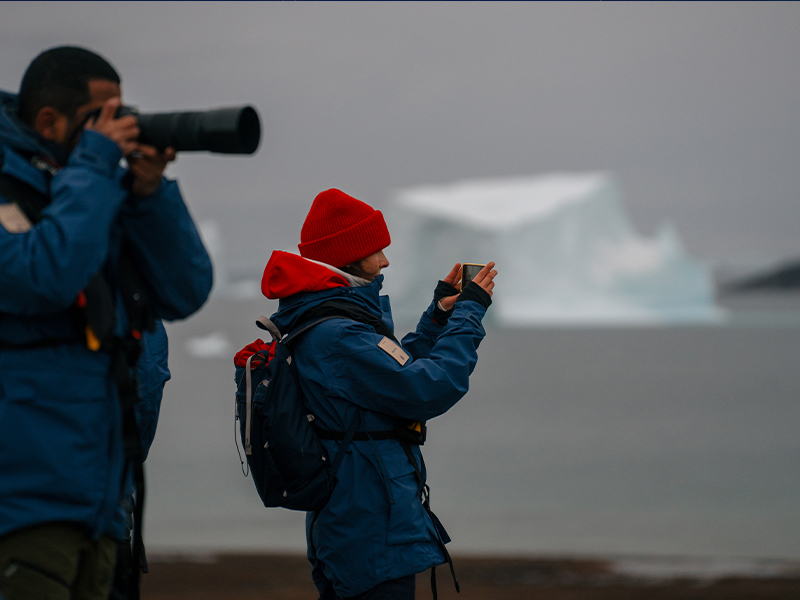
What Wildlife Can You See in Greenland?
Wildlife encounters are often a highlight of any Greenland voyage.
While sightings can never be guaranteed, however you may encounter:
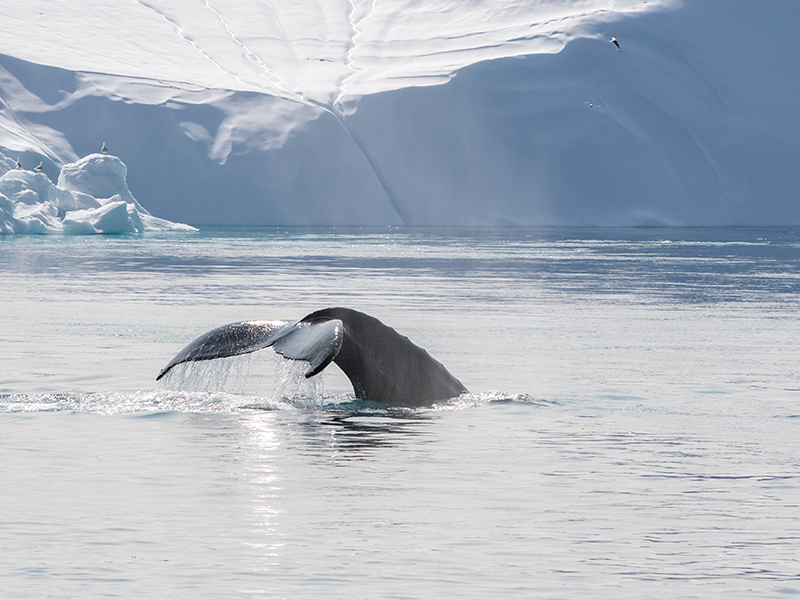
Whales
Humpback whales are among the most commonly sighted species during summer expeditions, often seen feeding in sheltered fjords.
Seals
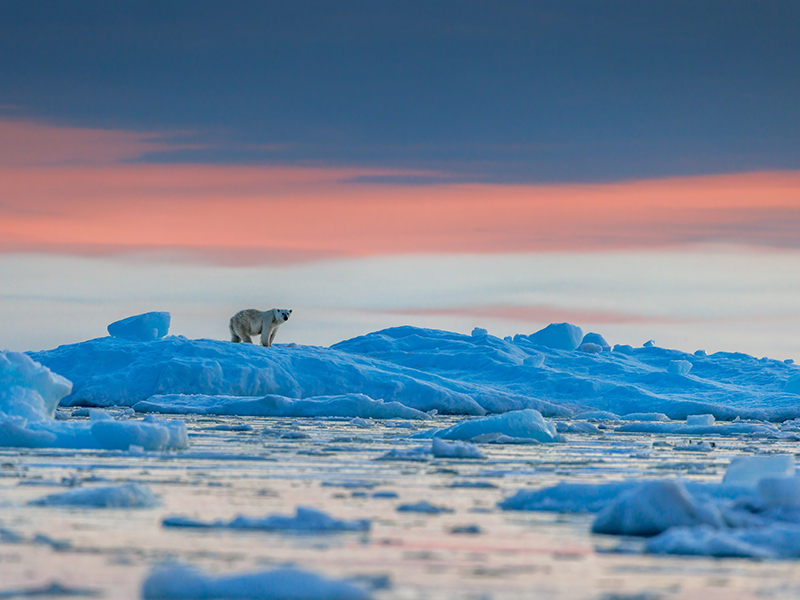
Several seal species inhabit Greenland’s coastal waters and are frequently spotted resting on ice floes.
Arctic Foxes
These adaptable animals can occasionally be seen along shorelines and tundra landscapes.
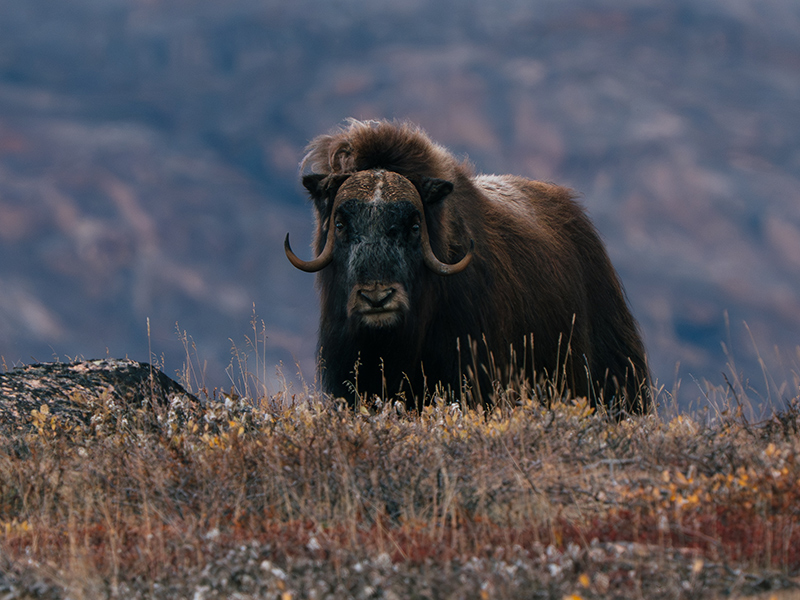
Musk Oxen
Particularly in East Greenland, musk oxen can sometimes be spotted grazing in remote valleys.
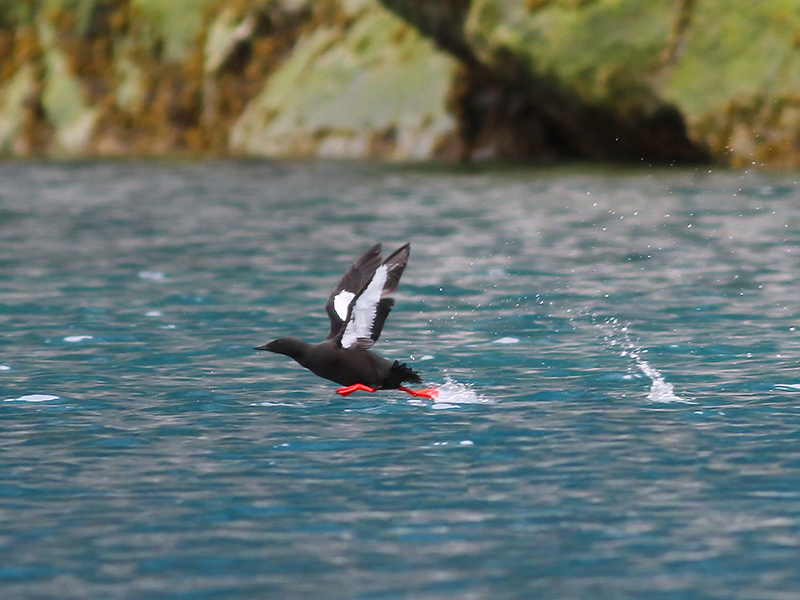
Seabirds
Arctic terns, puffins, guillemots and numerous other seabirds thrive along Greenland’s coast.
Wildlife sightings are always shaped by nature, which is part of what makes every expedition unique.
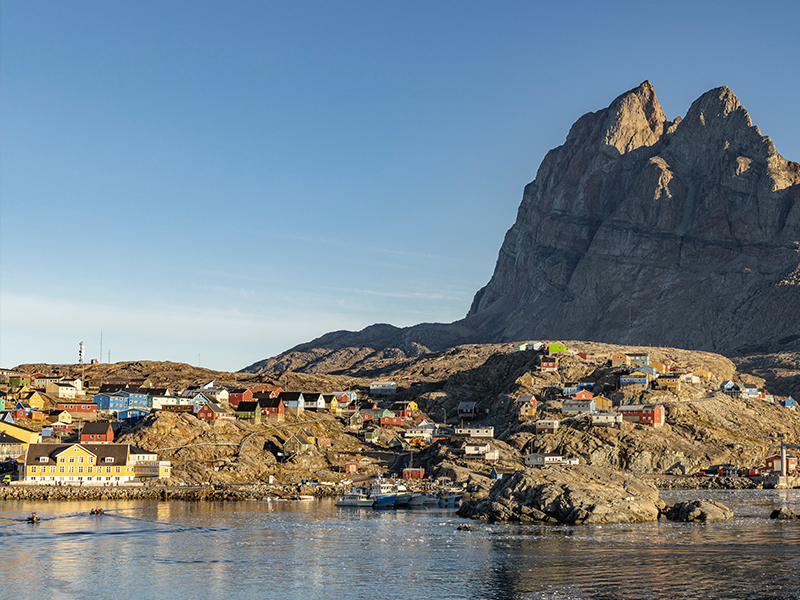
East Greenland or West Greenland?
This is one of the most common questions we hear from travellers considering Greenland.
East Greenland
Best for:
- Remote exploration
- Scoresby Sund
- Dramatic iceberg scenery
- Smaller communities
- A stronger sense of wilderness
West Greenland
Best for:
- Larger settlements
- Easier access
- Cultural experiences
- More developed infrastructure
For many expedition travellers seeking a true sense of discovery, East Greenland often provides the more immersive Arctic experience.
So, When Is the Best Time to Visit Greenland?
There isn’t a single right answer.
June offers dramatic ice-filled landscapes and endless daylight.
July combines wildlife, accessibility and comfortable conditions.
August provides exceptional opportunities to explore East Greenland and Scoresby Sund.
September brings softer light, fewer visitors and the possibility of Northern Lights.
The best month ultimately depends on what you hope to experience.
Whichever you choose, Greenland rewards travellers with something increasingly rare: the opportunity to explore a place that still feels genuinely wild.
And that’s what makes it one of the most remarkable expedition cruise destinations on Earth.
Planning a Greenland Expedition Cruise?
Our Cruise Consultants know Greenland exceptionally well and can help you choose the right itinerary, ship and departure date based on the experiences that matter most to you.
Whether you’re considering Scoresby Sund, East Greenland or a wider Arctic voyage, we’re here to help you explore further, discover more and cruise differently.