What is it like to live and work in Antarctica? At Port Lockroy, daily life brings together heritage conservation, visiting expedition ships, thousands of postcards and a neighbouring colony of gentoo penguins.
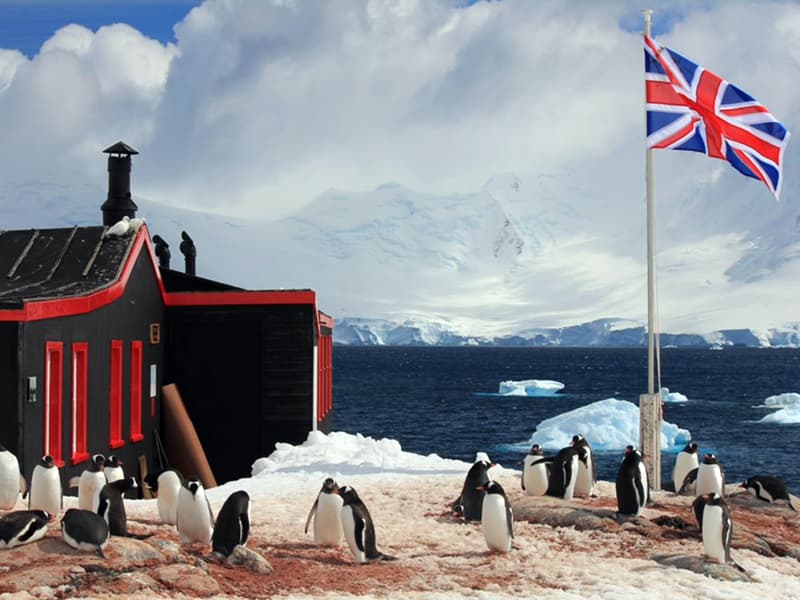
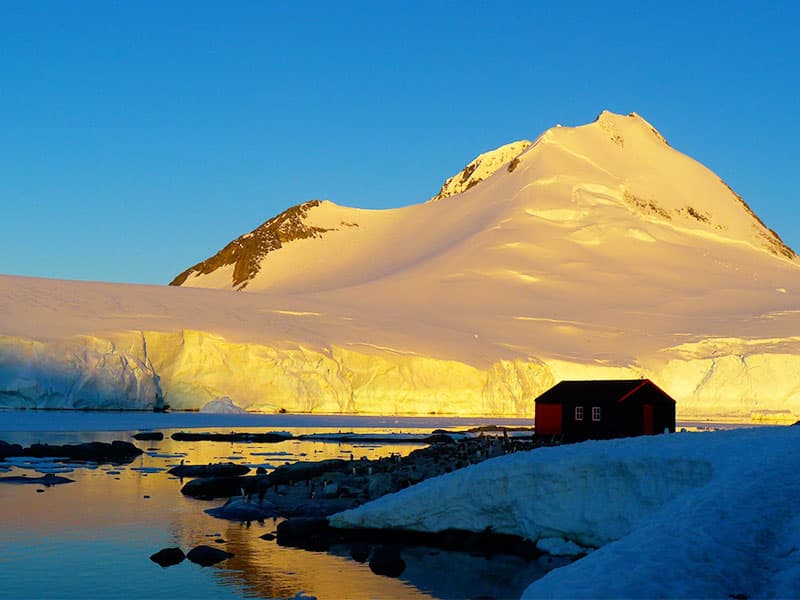
On Goudier Island off the Antarctic Peninsula, this former British research base has welcomed visitors as a museum since 1996. Today, the UK Antarctic Heritage Trust (UKAHT) cares for its historic buildings and operates its museum, gift shop and famous Penguin Post Office. Proceeds help run Port Lockroy and support the conservation of other British historic sites in Antarctica.
In this interview from our Polar Routes archive, Vicky Inglis shares her experience of working at Port Lockroy as a Field Operations Coordinator, from preparing for visitors to finding quiet moments among the mountains and glaciers.
This interview reflects Vicky’s experiences and the arrangements in place at the time. Facilities, working practices and postal services may have changed since the original interview.
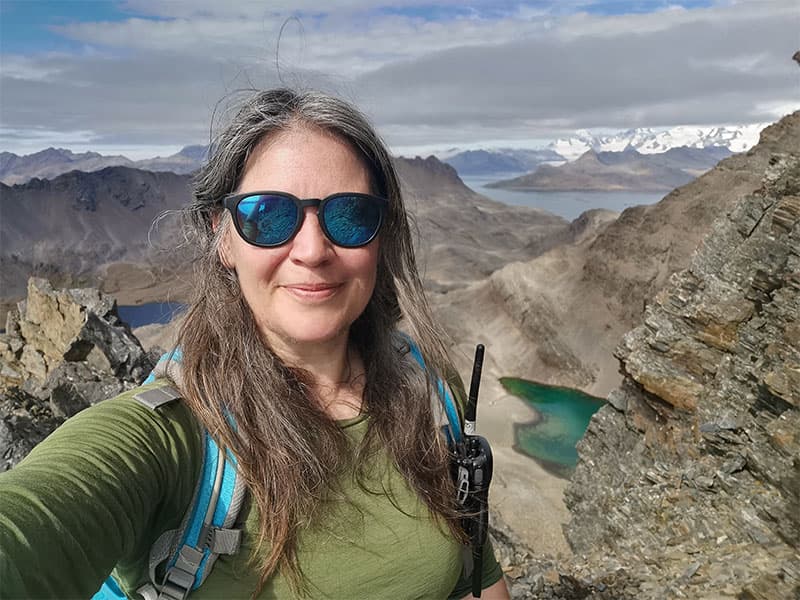
How does a typical day unfold?
We’ll get up around 7am, to the sound of the day’s duty cook heating water for tea and coffee. Breakfast is usually something like muesli or homemade bread and jam, perhaps porridge if it’s looking like a cold or wet day.
The Base Leader will check for any new emails sent overnight, and we’ll go over the plan for the day and who’s due to visit. Port Lockroy time is three hours behind the UK, so there’s often something new from the Cambridge office to look at.
We might also get a first call on the VHF radio from a vessel approaching the island. The Base Leader will work out the details of the visit with the Expedition Leader on board, while the rest of the team gets to work preparing the island for visitors.
Early in the season, this means checking the snow around the landing site to make sure it’s safe for visitors and marking out penguin highways, so the birds aren’t disturbed on their journeys between the water and their nests.
Later, once the snow melts away, we scrub the rocks outside the museum clean of guano, so it doesn’t get walked into the building on visitors’ boots. Preserving the fabric of the heritage buildings and the artefacts inside is a real challenge in Antarctica’s extreme environment.
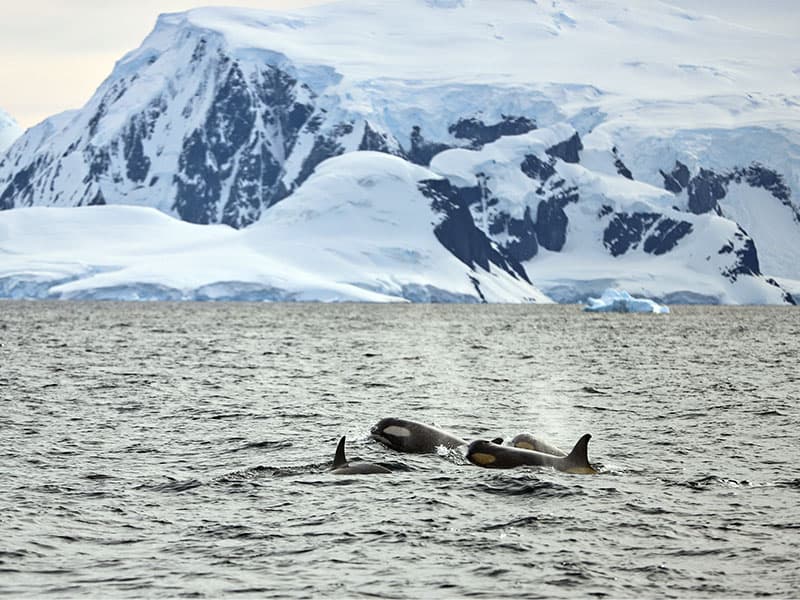
We might take a break by the landing site if the weather is fine and look out for whales in the Neumayer Channel, or simply enjoy the view of the mountains and glaciers surrounding Port Lockroy. But there are always other jobs to be done before the end of the day.
What are your favourite wildlife encounters?
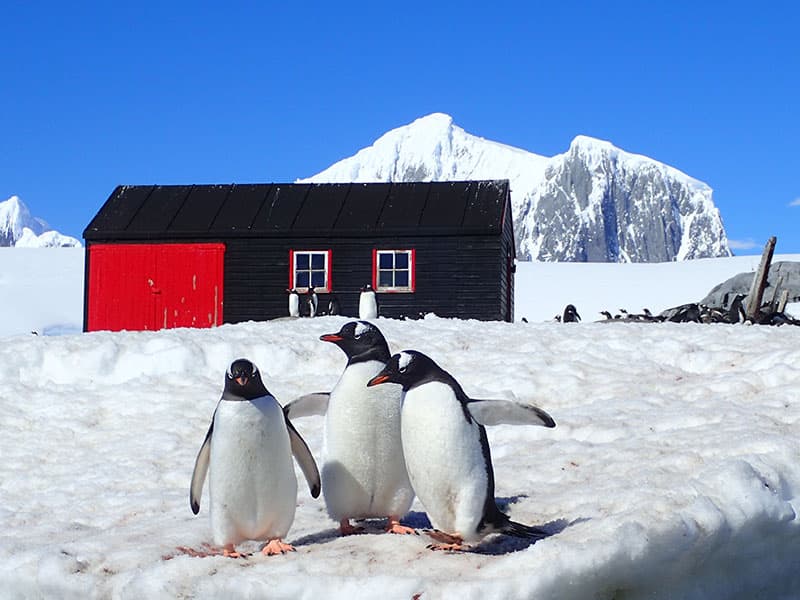
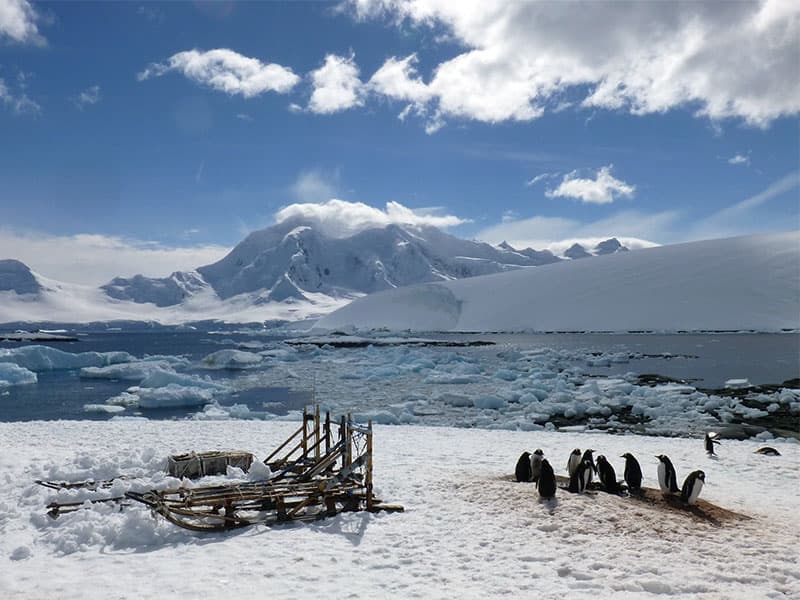
It’s an incredible privilege to get such a close glimpse into the lives of the penguin colony and other wildlife.
The penguin chicks seem fascinated by our scrubbing brushes and the footbath. They can get under our feet as they try to peck, poke, slap and splash around.
It’s very difficult to keep the recommended five-metre distance once the chicks have reached the crèching stage, but they are wild creatures. Although they are habituated to our presence, we don’t look after them or treat them like pets.
How does sustainability shape life at the base?
We’re in the process of moving to 100% solar power to meet our needs at Port Lockroy, so the generators will eventually just be an emergency backup.
We also get our freshwater supply replenished from the ship’s watermaker, along with opportunities for showers or a chance to do a load of laundry.
What can visitors expect at Port Lockroy?
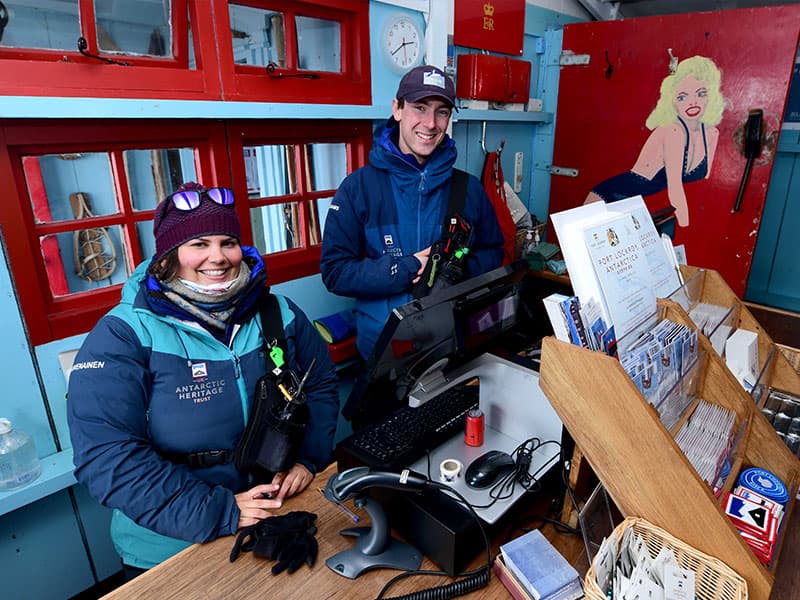
The expedition team from the ship are usually old hands at visiting Port Lockroy and know how to manage the experience for their guests. This allows us to share stories of our experiences living in Antarctica, the history of Base A and, of course, the penguins.
We make a lot of friends through the season, including many former members of the UKAHT Antarctic team.
Visitors come ashore, rotating through the historic building on Goudier Island, with perhaps a visit to Jougla Point or a Zodiac cruise. Time passes quickly. It’s not long before we’re waving them off to have lunch back on the ship.
What advice would you give travellers visiting Port Lockroy?
I think the best advice for travellers to Antarctica is to try to experience things slowly. Don’t be in a rush to tick off all the experiences on offer or cram your time with doing things.
Spend time just being there in the moment, noticing the sounds and smells as well as the sights. Watch the movement of the wind and the light across the landscape, and look beyond the big, noisy, attention-grabbing things, penguins included, to notice the small details.
How does the Penguin Post Office work?
Before the expedition team departs, the Postmaster might have a few sacks of post to hand over.
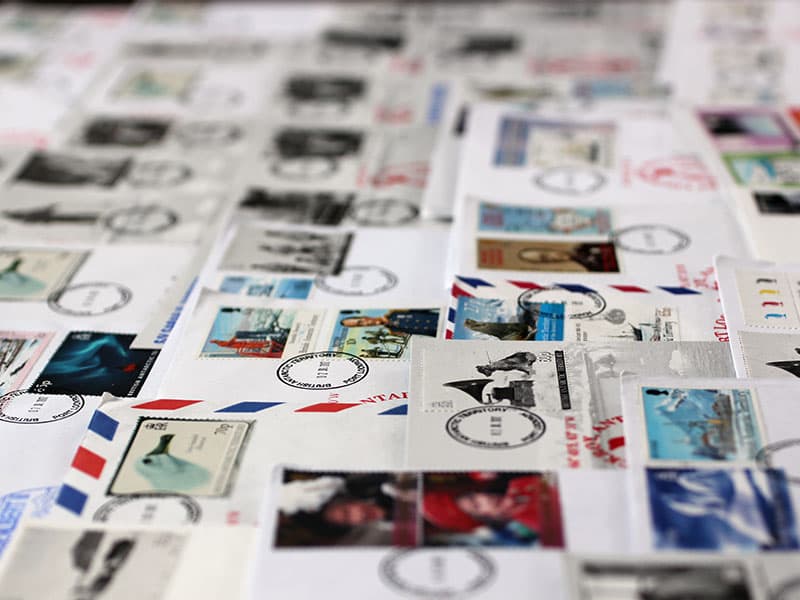
The team will hand-cancel around 80,000 items of mail during the season. These are mostly postcards, but sometimes letters, birthday cards and small packages of gifts. One brave couple even dropped their wedding invitations into the red postbox.
After sorting and packaging, the mailbags are sealed and sent on a ship heading to Stanley in the Falkland Islands. There, they are sorted again and sent by military flight to the UK, to be dispatched to destinations all around the world.
What stays with you after spending a season there?
Despite being busy, there are always little moments when we can stop and really appreciate our surroundings.
The team gets to experience the changes as the season progresses, beyond the snapshot views most visitors get of Antarctica. Changes in snow cover reveal the blue ice of glaciers. The prevailing weather shifts, and the long, white nights give way to returning twilight and then starry skies.
There’s also the life of our penguin colony. The birds are just building nests and reaffirming pair bonds as we arrive. They go on to lay eggs and raise chicks, which grow almost before our eyes before starting to take to the water at the end of the season.
We witness their struggle for survival against predatory birds such as sheathbills, skuas and giant petrels, and the lurking presence of leopard seals in the water around the island.
Support Antarctica’s heritage
The UK Antarctic Heritage Trust works to conserve historic buildings and artefacts and share the stories of Antarctica’s past. To learn more about its work or make a contribution, visit the UKAHT website.
Plan your Antarctic expedition
A visit to a historic site can bring another dimension to an Antarctic expedition, connecting the landscapes and wildlife with the experiences of those who lived and worked there.
Port Lockroy visits depend on the voyage itinerary, site availability and conditions on the day.
Curious about exploring Antarctica’s wildlife, landscapes and history on an Antarctica expedition cruise? Our Exploration Cruise Consultants can help you compare the journeys and find an expedition that suits your interests and sense of adventure.